


Industrial Wall Art
Industrial wall art brings functional history into domestic spaces through painted metal signs, heavy clocks, and framed paintings from past centuries.

Industrial Wall Art
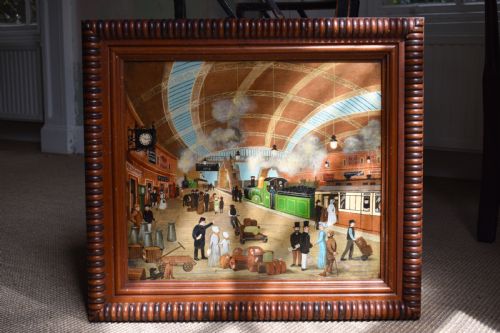
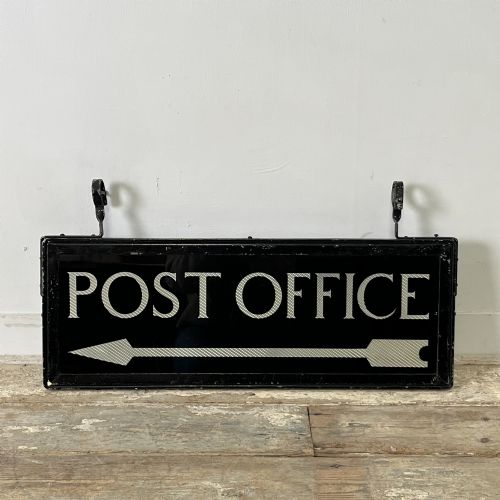
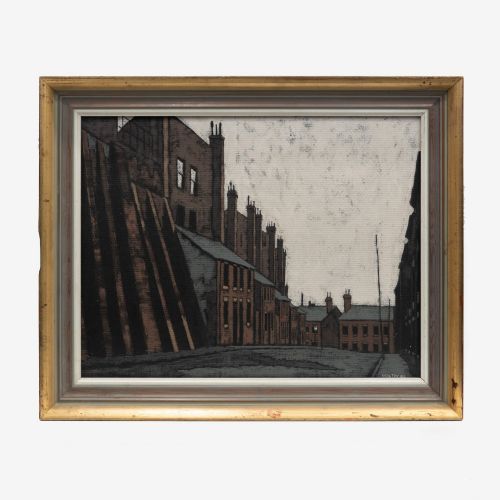
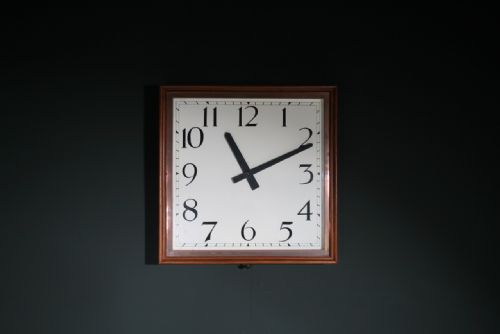
Industrial wall art encompasses functional objects, architectural salvage, and fine art spanning from the nineteenth century through the mid-twentieth century. Buyers find items ranging from double-sided post office direction signs and copper clock faces to detailed oil paintings of factory scenes and railway stations.
The selection frequently includes pieces created during the Art Deco and Mid-Century Modern periods, reflecting manufacturing hubs, transport networks, and commercial enterprises. Wall clocks, mirrors, and metal plaques sit alongside canvases depicting urban landscapes and maritime shipping.
Pieces originate from diverse settings including French workshops, English breweries, and municipal buildings, carrying the visual language of industrial production into residential rooms. Each object serves as a direct record of past commerce, engineering, and everyday enterprise.
Materials and construction
Makers utilised robust metals such as iron, copper, brass, and sheet metal for structural components, clock bezels, and relief plaques. These durable elements often show the marks of heavy commercial use, weathering, and utilitarian fabrication.
Wood appears extensively in frames, panels, and backing boards, paired with glass for mirrors, dials, and protective glazing. Paper lithographs and architectural plans sit alongside oil paintings on canvas and board, demonstrating varied graphic and fine art techniques.
A galloping sheet metal horse once stood ready to catch the eye of passers-by before finding a permanent home indoors.
Material integrity and execution
Quality rests in the original integrity of the materials, whether in the crisp casting of iron architectural panels or the careful brushwork of a factory scene oil painting. Superior examples retain their authentic surface patination without losing legibility in lettering or detail in figurative work.
Construction methods distinguish standard commercial pieces from finer workshop productions, visible in the joinery of wooden frames, the precision of metal relief work, and the mechanical complexity of electric master clocks.
Brian Shields Braaq·Stuart Walton·David Shepherd·Frank Shenton·Herbert John Finn·Henry J Neave
The Industrial Wall Art Glossary
- Lithograph
- A printmaking process where an image is drawn onto stone or metal and transferred to paper using ink and water. This technique allowed for the crisp reproduction of architectural plans and commercial advertisements.
- Architectural salvage
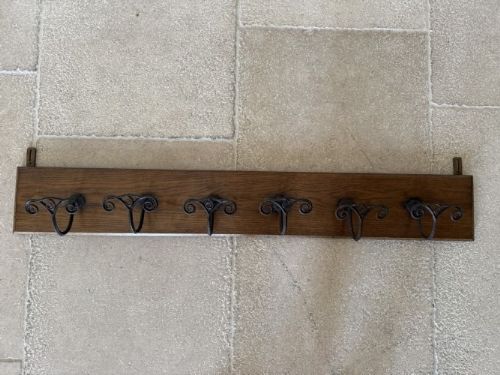
- Building elements rescued from structures undergoing demolition or remodelling. These salvaged pieces often include cast iron panels and decorative hardware.
- Oil on board
- A painting created by applying oil paint directly to a rigid wooden or composition board rather than stretched canvas. This medium provides a stable surface frequently used for landscape and industrial studies.
- Relief plaque
- A decorative panel where figures or lettering project from a flat background. Copper and metal examples often commemorate machinery or business premises.
- Post-impressionism
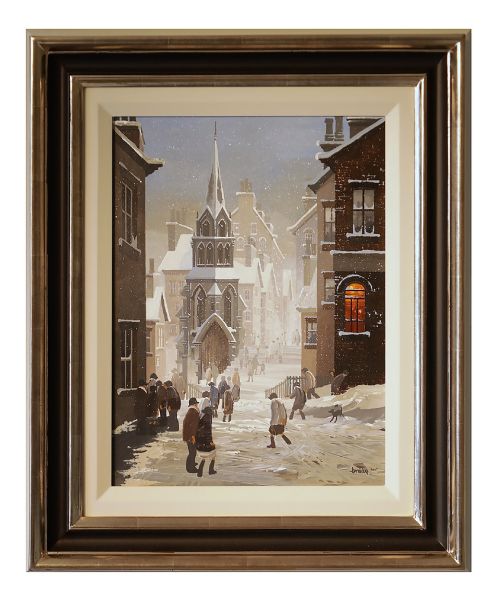
- An art movement developing after impressionism that focuses on symbolic content and expressive use of paint. Works in this style capture scenes such as northern harbours and winter townscapes.
Industrial Wall Art: Frequently Asked Questions
What is industrial wall art?
Industrial wall art comprises utilitarian objects, architectural fragments, and paintings originating from factories, railways, and urban workplaces. These items reflect the manufacturing and commercial history of the nineteenth and twentieth centuries.
Pieces range from painted metal signs and heavy clocks to oil paintings of docks, stations, and construction sites.
How were these items used originally?
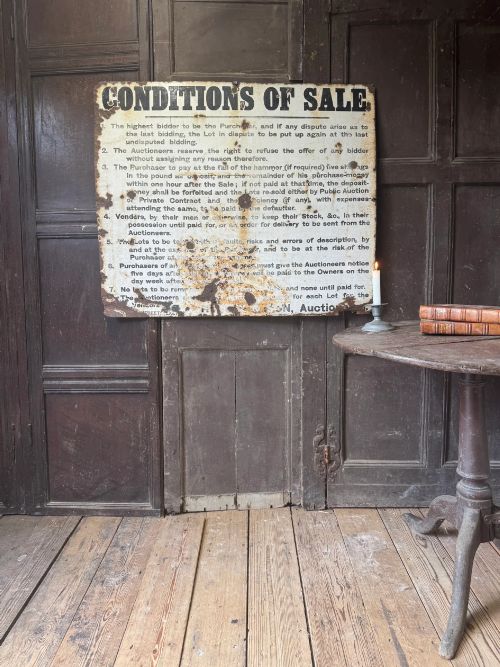
Many pieces served practical functions in public and commercial spaces, such as directing post office visitors, displaying auction conditions, or telling time in hospitals and railway stations.
Other items, including architectural plans and oil paintings, documented engineering projects, urban development, and maritime trade.
How do I hang heavy metal pieces?
Heavy cast iron panels, large clocks, and framed oil paintings require secure fixings anchored directly into wall studs or masonry using appropriate wall plugs and screws. Weight distribution across sturdy brackets ensures safe display.
Professional framing or mounting support is recommended for substantial metal plaques and framed mirrors.
How can I tell the period?
Stylistic indicators such as Art Deco lettering, Mid-Century Modern compositions, or Victorian framing details help establish the era of manufacture. Materials, typeface styles, and mechanical clock movements also point to specific decades.
Signage often bears dates or references to transport networks and businesses active during particular historical periods.