




Vintage Aeroplane Propeller
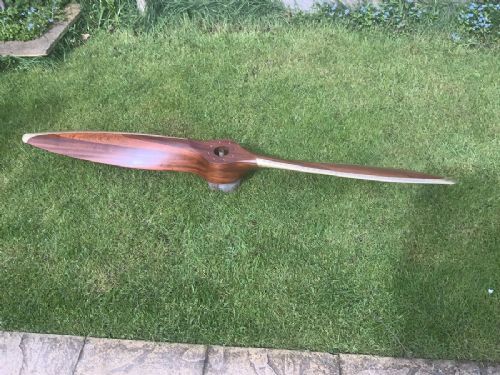
A vintage aeroplane propeller brings the heavy graft of early flight straight into a room, offering raw timber and steel for modern interiors.
Vintage Aeroplane Propeller
Buyers seeking a vintage aeroplane propeller find a mix of timber and metal aviation memorabilia originating from periods such as the Edwardian era and the nineteen-forties. The items range from actual aircraft generator propellers to scale models, wall sculptures, and related aviation ornaments.
Laminated timber and hardwood forms dominate the wooden items, while metal pieces include steel and sterling silver. The selection spans utilitarian components and decorative models that reflect early aviation and interwar styles.
How they were made
Makers shaped the wooden components using laminated timber and hardwood to withstand the extreme forces of early flight. Metal items utilised steel and sterling silver, relying on traditional engineering and metalworking techniques of the period.
Decorative models and wall sculptures required careful finishing to replicate active aircraft, combining painted metal, wire, and oil on canvas for related wall art.
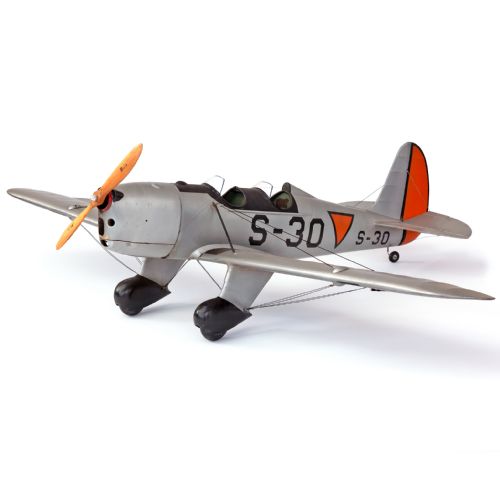
A retired flying model of a Ryan monoplane brings airborne ambitions straight down to the mantelpiece.
What varies in quality
Quality rests on the integrity of the materials, separating robust functional timber components from lighter decorative models. Original components show the honest wear of service use.
Artistic execution distinguishes the scale models and paintings, where refined detail in metalwork or canvas creates a more convincing representation of early aircraft.
The Vintage Aeroplane Propeller Glossary
- Laminated timber
- Multiple layers of wood glued together under pressure to provide strength and stability for rotating blades. This method prevented warping during flight.
- Interwar Modernism
- A design style spanning the decades between the first and second world wars. It embraced clean industrial lines and functional forms.
- Sterling silver
- A silver alloy containing ninety-two point five percent pure silver and seven point five percent other metals. It is commonly used for fine ornaments and tableware.
- Edwardian
- The period covering the reign of King Edward the Seventh up to nineteen hundred and ten. Items from this time often feature traditional craftsmanship combined with early industrial advances.
Vintage Aeroplane Propeller: Frequently Asked Questions
How do I hang a heavy wooden propeller?
Heavy wooden blades require secure fixing to solid wall studs using heavy-duty steel brackets. The mounting must support the substantial weight of hardwood and laminated timber safely.
Position the propeller horizontally or at a slight angle to showcase the grain and the shape of the tips effectively within the room.
What maintenance do wooden propellers need?
Keep wooden pieces away from direct heat sources and sudden temperature shifts to prevent the timber from drying out or splitting. An occasional application of appropriate wax preserves the finish.
Avoid harsh chemical cleaners on antique timber surfaces. A soft, dry cloth is sufficient for regular dusting.
How can I tell an early propeller's age?
Examine the materials and construction methods, as early twentieth-century examples often use layered mahogany or specific hardwoods suited to early engine power. Stamped markings or metal hubs can also offer clues.
Compare the style with documented aviation designs from periods like the Edwardian era or the nineteen-twenties to narrow down the decade.
Where do desk models fit in a room?
Smaller scale models and desk ornaments work well on sideboards, mantelpieces, or study desks alongside books and instruments. They offer the aesthetic of aviation history on a domestic scale.
Ensure the display area has stable footing, particularly for heavier metal or sterling silver models.