



Original Oil Horse Art
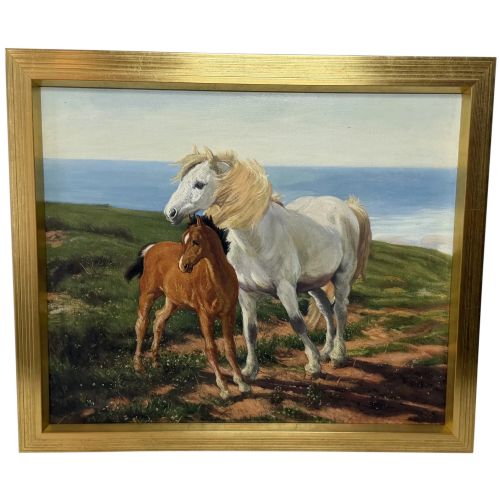
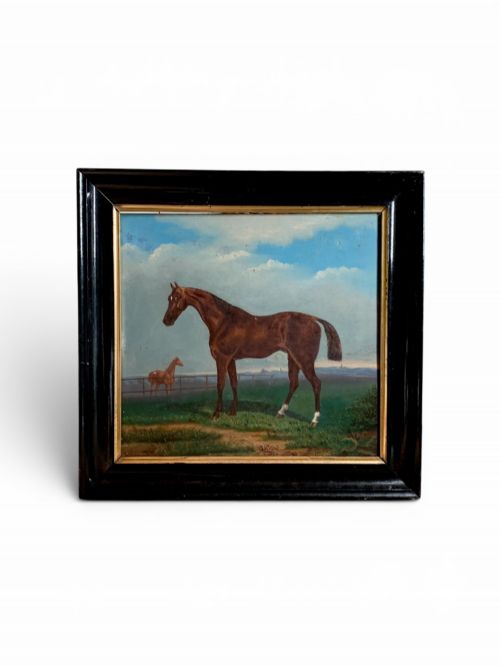
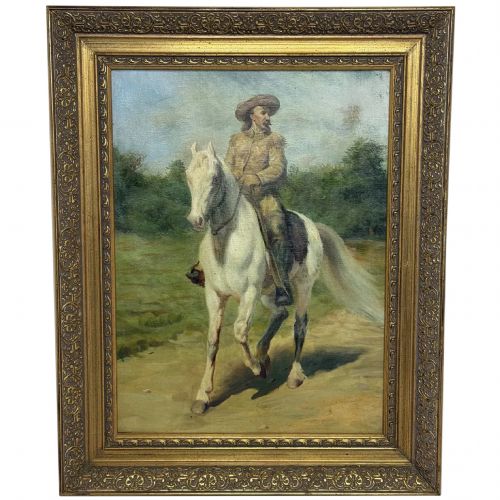
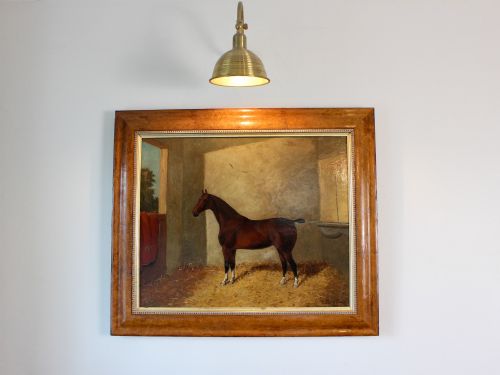
Original oil horse art captures the spirit and muscular grace of equines through richly textured brushwork on canvas and board.
Original Oil Horse Art
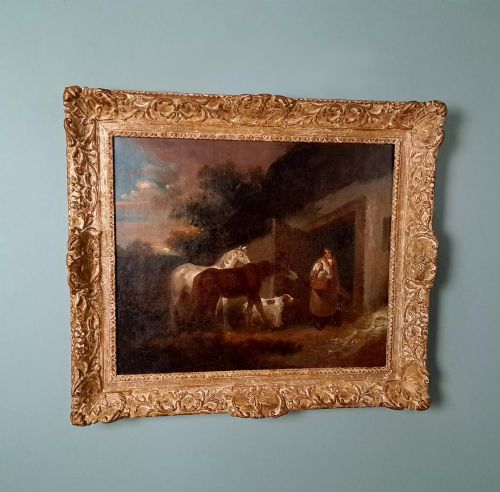
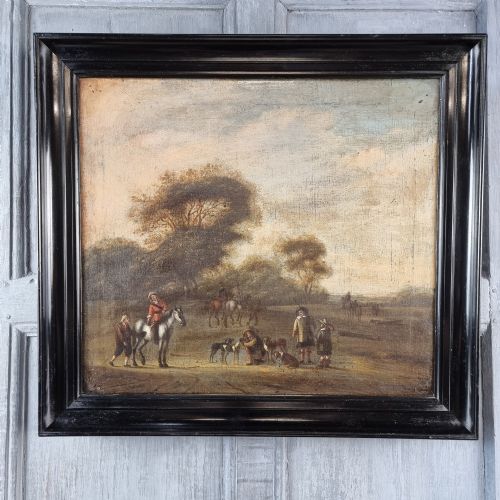
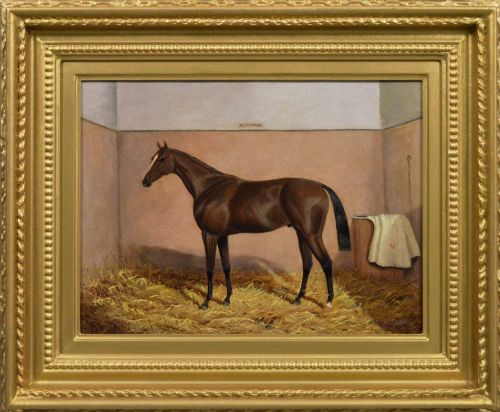
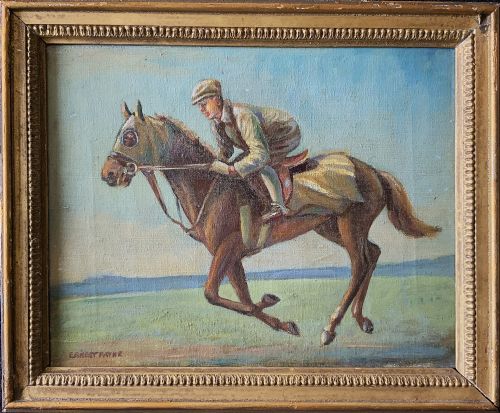
Original oil horse art encompasses traditional equine portraiture, bustling agricultural scenes with heavy shires, and dynamic racing depictions. Buyers exploring this category frequently encounter pieces ranging from nineteenth-century pastoral compositions to mid-twentieth-century British and French school works.
Materials and Technique
Artists painted primarily with oil pigments onto prepared canvas or wooden panels, utilising the rich, slow-drying nature of the medium to build depth and texture. Gilt and giltwood frames completed the presentation, offering a reflective boundary that enhanced the warm tones of the painted surfaces.
Brushwork varies from the tight, detailed realism seen in nineteenth-century sporting art to the looser, expressive marks characteristic of British Impressionism and mid-century modern interpretations.
Listings feature works spanning the seventeenth to the twentieth centuries, utilising oil on canvas and wood panel.
Assessing Quality in Equine Art
Quality rests upon the artist's anatomical accuracy in rendering the horse's musculature, stance, and expression, alongside the sensitivity of the surrounding landscape. Master painters capture the tension in a jumper or the gentle weight of a working cart horse with convincing proportions and light.
The preservation of the original paint layer and the presence of a period-appropriate gilt frame contribute significantly to the standing of a piece within this genre.
William Joseph Shayer Senior·Albert Clark·John Ferneley Senior·Samuel Spode·John Linnell
The Original Oil Horse Art Glossary
- Oil on Canvas
- Pigments suspended in a drying oil applied to a stretched woven fabric support. This combination allows for rich blending and textured impasto work.
- British Impressionism
- A late nineteenth and early twentieth-century painting movement focusing on light, everyday rural scenes, and visible brushstrokes.
- Equine Portraiture
- Artwork specifically commissioned or created to record the likeness and conformation of a particular horse.
- Giltwood Frame
- A wooden picture mount coated with a thin layer of gold leaf or metallic gilt, typical of nineteenth and early twentieth-century framing.
- Oil on Panel
- Pigment applied directly to a prepared wooden board rather than a fabric canvas.
Original Oil Horse Art: Frequently Asked Questions
What periods do these horse paintings come from?
The listings span from the late seventeenth century through the nineteenth century and into the mid-twentieth century. Many pieces date from the Victorian and Edwardian eras, reflecting changing agricultural and sporting traditions.
Later works extend into the nineteen-sixties, showing a shift towards more expressive British and French school interpretations of equestrian life.
How do I identify a named racehorse in a portrait?
Artists often inscribed the name of famous animals directly onto the canvas or within the historical records accompanying the piece. Archival notes and signature styles help link specific portraits to legendary thoroughbreds of the turf.
Consulting nineteenth and early twentieth-century sporting records provides further context regarding the subject's racing pedigree.
How should I care for an antique oil painting?
Keep the artwork away from direct sunlight and fluctuating humidity to prevent the canvas from sagging and the oil paint from cracking. Gentle dusting with a soft, dry brush is sufficient for routine maintenance.
Avoid using liquid cleaners or attempting to clean the painted surface yourself, leaving conservation work to trained professionals.
What is the difference between sporting art and pastoral scenes?
Sporting art typically concentrates on named racehorses, hunting hounds, jockeys, and stable portraits created with precise anatomical focus. These works celebrate specific competitive events and prized animals.
Pastoral scenes place horses within wider rural landscapes, often depicting working shires in harvest fields or quiet countryside farmyards rather than racing triumphs.