





Original Nautical Painting
When you search for an original nautical painting, you enter a visual record of coastal life, sailing ships and maritime history.
Original Nautical Painting
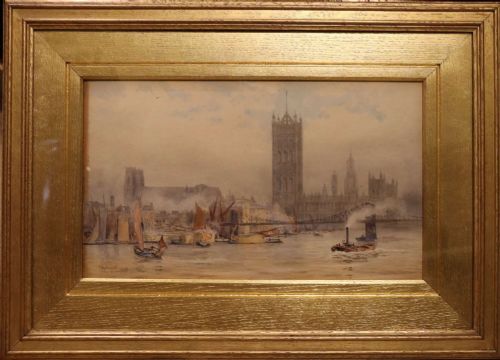
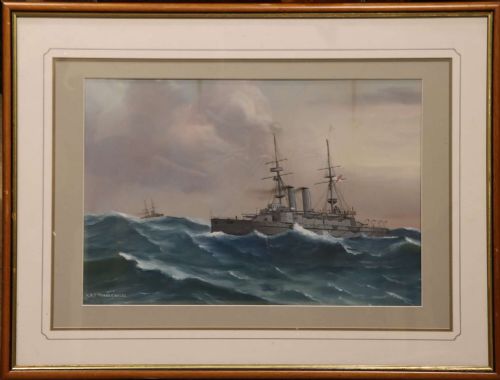
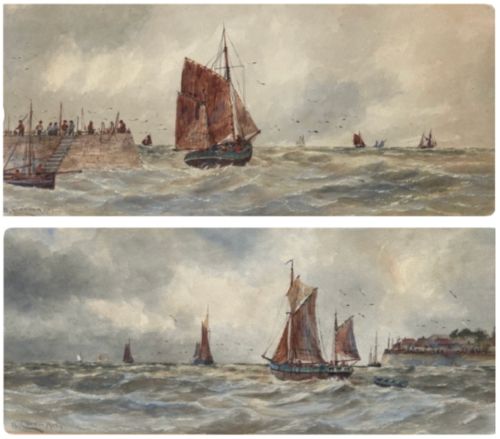
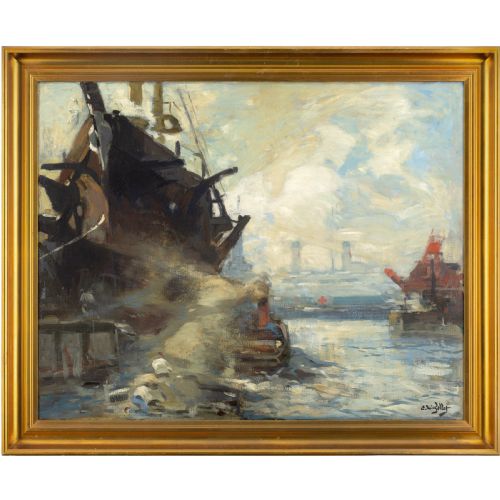
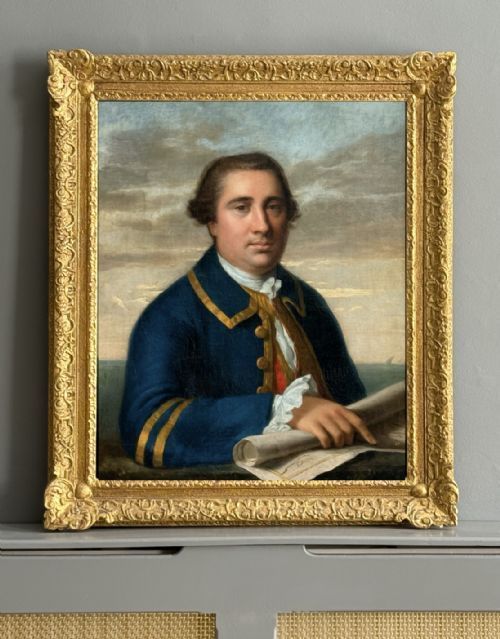
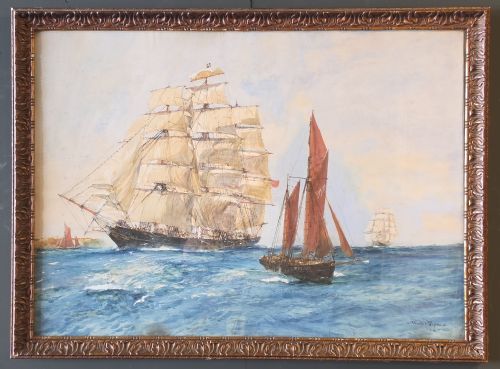
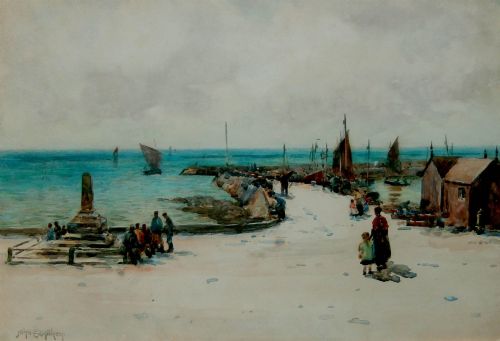
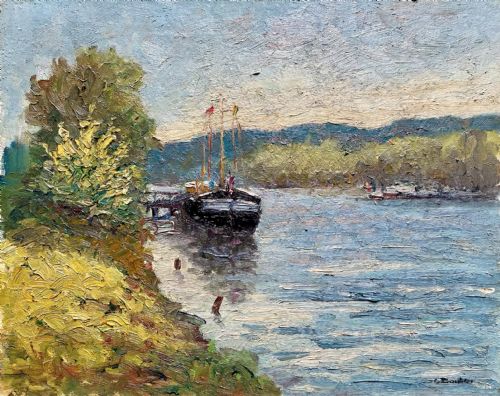
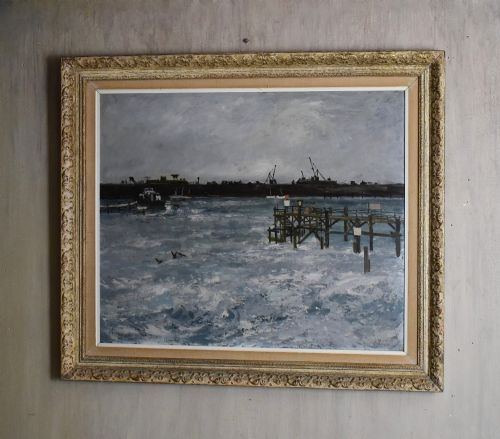
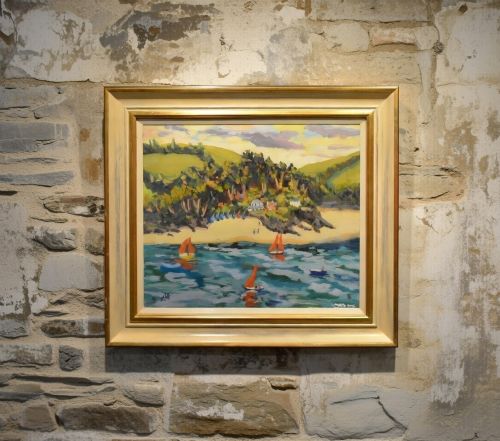
An original nautical painting captures ships, harbours, coastal landscapes and open seas across various historical periods.
Buyers browsing this selection encounter works stretching from the eighteenth century through the Victorian era into the mid-twentieth century.
Common forms on this page include framed watercolours, gouache studies and oil paintings on canvas or board, created by British and international artists.
Materials and construction
Artists record maritime scenes using oil paint on canvas and board, or water-based pigments and gouache applied to paper.
Works frequently arrive preserved behind glass or housed within period wooden frames, often finished with gilt details that complement the artwork.
Listings feature works spanning the 18th, 19th and 20th centuries, executed in oil, watercolour and gouache.
Evaluating quality and handling
Quality rests in the artist's command of light, atmosphere and the accurate rendering of rigging, hulls and turbulent water.
Skilled handwork shows in the confident brushstrokes and tonal balance that give depth to a seascape or harbour view.
James Orrock·William Cannon·Charles Edward Dixon·Bernard Benedict Hemy·Thomas Bush Hardy
The Original Nautical Painting Glossary
- Watercolour
- A painting method where fine pigment is suspended in a water-soluble binder and applied to paper.
- Gouache
- An opaque water-based paint that dries to a matte finish, allowing for heavier highlights on water and sails.
- Oil on Canvas
- Pigment bound in drying oil applied to stretched fabric, offering rich colour depth and longevity.
- Seascape
- A genre of art depicting the sea, shipping vessels, coastal cliffs and maritime activities.
Original Nautical Painting: Frequently Asked Questions
How do I identify the age of an oil painting?
Age is judged by examining the canvas preparation, stretcher construction, framing styles and the ageing of the oil pigments over time.
Signatures, dates and historical records associated with the artist also help pinpoint the exact decade of creation.
Where were these maritime scenes typically painted?
Artists often worked directly on the coast, setting up easels in bustling harbours, quiet fishing villages or aboard vessels at sea.
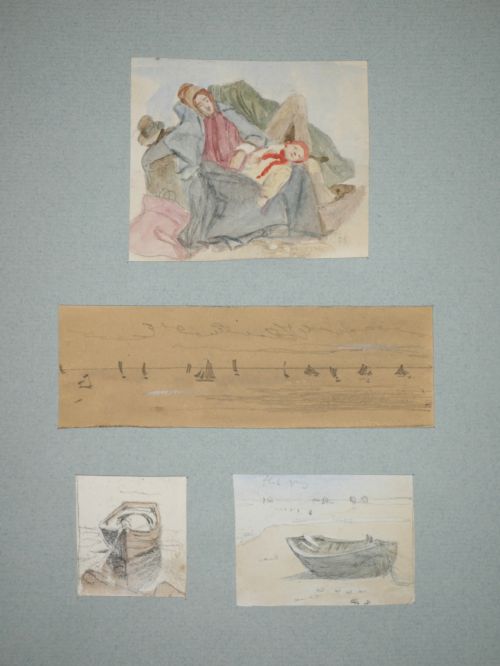
Others completed their final canvases in studios using preparatory sketches gathered during coastal excursions.
How should I care for a framed watercolour?
Watercolours on paper require protection from direct sunlight to prevent the pigments from fading over the years.
Keep them in rooms with stable humidity levels to protect both the delicate paper support and the original frame.
What subjects appear most frequently in these works?
Common subjects include fishing luggers, racing yachts, merchant ships, dramatic coastal storms and calm river estuaries.
Artists documented both everyday working vessels and historic naval ships engaged in maritime commerce and travel.