




Original Maritime Wall Art
Original maritime wall art brings the historic movement of the sea and coastal life directly into domestic spaces through period paintings and watercolours.
Original Maritime Wall Art
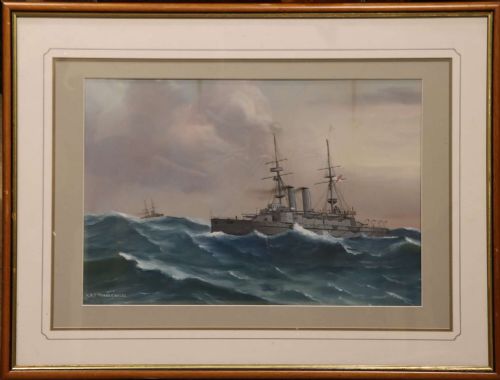
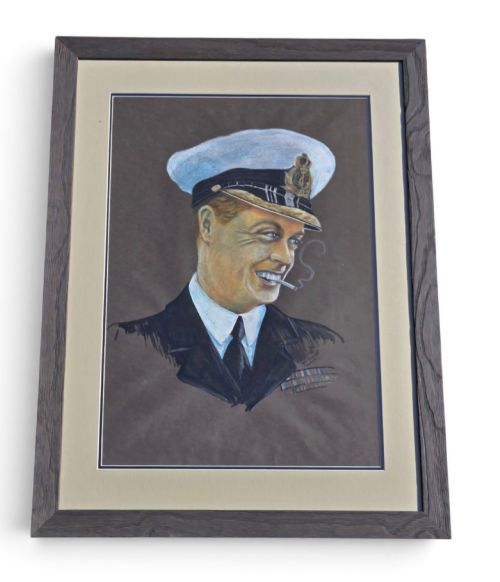
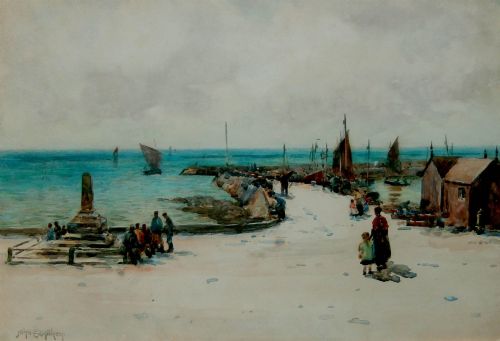
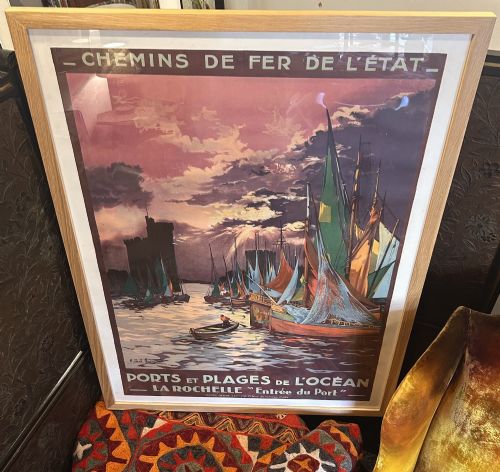
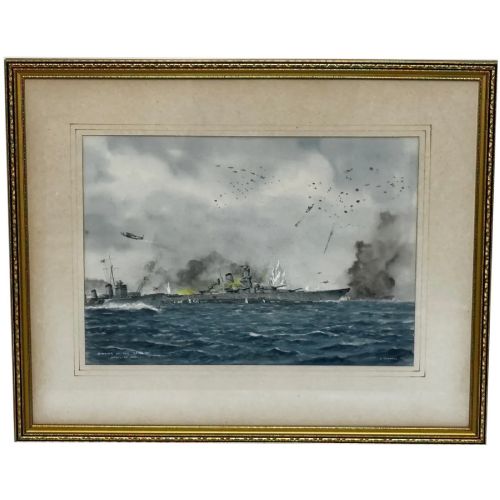
Original maritime wall art encompasses paintings, watercolours, and etchings depicting coastal scenes, harbours, and shipping. These works capture naval history, working fishing boats, and coastal landscapes from various historical eras. Buyers seek these pieces to bring authentic historical atmosphere and maritime heritage into their homes.
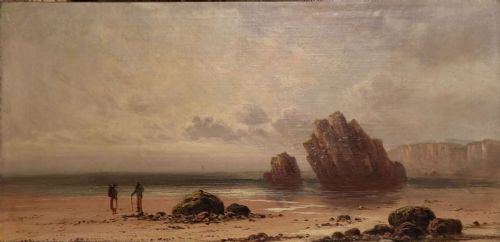
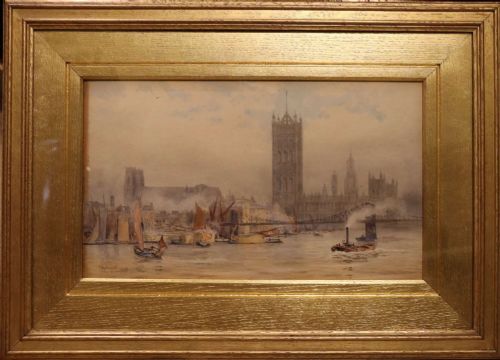
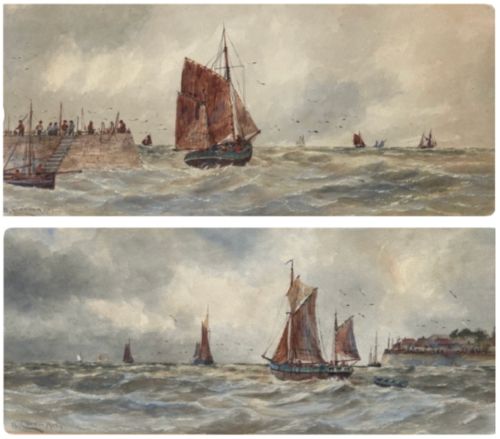
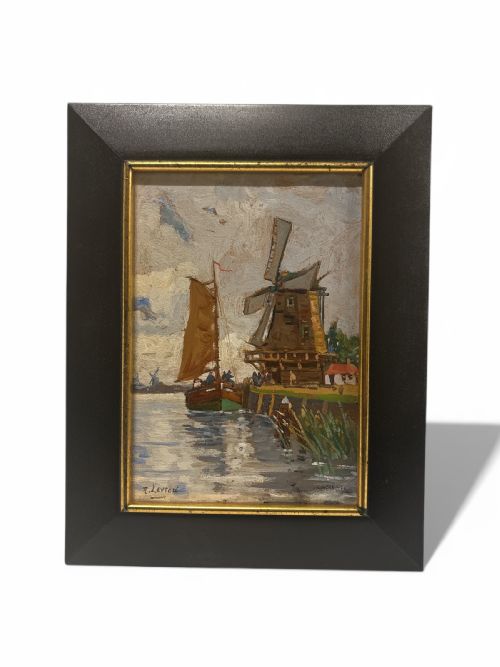
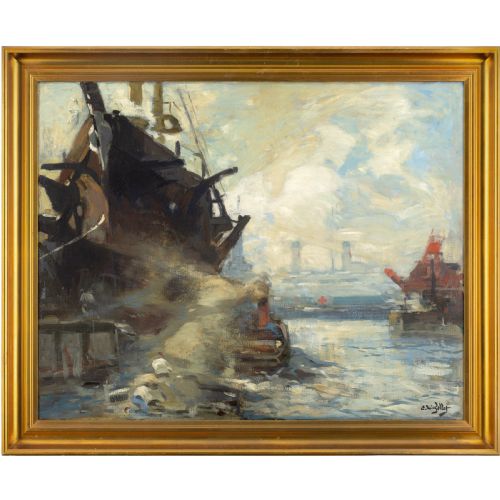
The selections available lean heavily towards British and European coastal scenes executed during the nineteenth and twentieth centuries. Common subjects include St Ives harbours, Whitby fishing vessels, and Thames river traffic rendered by regional artists. These works range from tightly detailed nineteenth-century watercolours to freer post-impressionist oil paintings on canvas and board.
Materials and Techniques
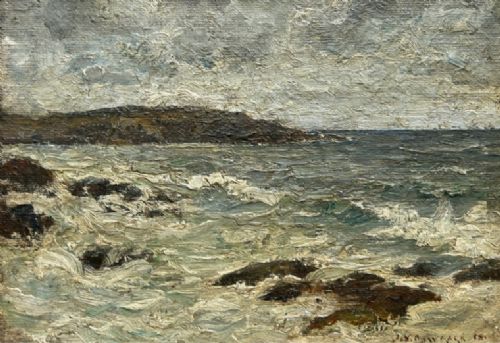
Artists relied primarily on oil paint on canvas or board, and watercolour on paper, often housed in period gilt frames. Oil paintings allowed for heavy impasto and rich colour mixing to capture turbulent water and coastal light, while watercolours utilised fluid washes for transparent skies and sea spray.
Support materials varied according to the period, with nineteenth-century works frequently employing heavy woven canvas or thick watercolour paper. Twentieth-century pieces often utilised prepared wooden boards alongside traditional canvas, sometimes complemented by pen or pencil underdrawings.
Several artists captured the exact moment a merchant captain stared stoically into an imaginary gale.
Assessing Quality and Execution
Quality rests upon the artist's handling of light, atmosphere, and maritime architecture, separating stiff documentary illustration from expressive observation. Superior works demonstrate confident brushwork and accurate understanding of nautical rigging, tidal movement, and coastal topography.
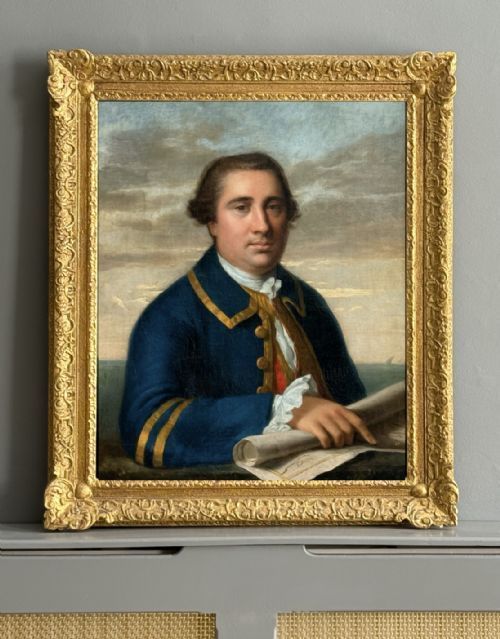
The preservation of the original medium significantly influences the standing of a piece, particularly regarding the stability of oil paint or the absence of foxing on antique paper. Framing also plays a role, with period gilt frames matching the era of the artwork enhancing the overall integrity of the piece.
William Lionel Wyllie·Abraham Hulk I·Charles Napier Hemy·William Frederick Settle·Francis Moltino
The Original Maritime Wall Art Glossary
- Impasto
- Paint applied thickly to a canvas or board, standing out in relief from the surface. This technique allows the artist to build physical texture into crashing waves or rocky shorelines.
- Foxing
- Brown spots and discolouration that develop on older paper over time due to chemical reactions. It is frequently found on antique watercolours and prints.
- Etching
- A printmaking process where lines are incised into a metal plate with acid before being inked and pressed onto paper. This technique produces fine, precise linear details in maritime scenes.
- Gilt frame
- A wooden picture frame coated with a thin layer of gold leaf or gold paint. These frames were standard for formal nineteenth and early twentieth-century oil paintings.
Original Maritime Wall Art: Frequently Asked Questions
How do I date an antique maritime painting?
Dating relies on stylistic clues, artists' active working periods, and the physical materials of the canvas or paper support. Clothing styles of figures and vessel rigging types also offer reliable chronological markers.
Signatures, exhibition labels on the reverse, and framing methods provide further supporting evidence to narrow down the decade of creation.
What is the difference between watercolour and oil maritime art?
Watercolours utilise water-soluble pigments on paper to create luminous, transparent effects ideal for calm seas and coastal skies. They require protective glass framing to prevent moisture damage.
Oils use slow-drying pigments suspended in medium, applied to canvas or board for richer textures and deeper tones. These works handle heavier impasto well and do not require glass.
Where should I hang maritime wall art?
These works suit well-lit spaces away from direct sunlight to protect pigments and paper from fading over time. They pair effectively with neutral wall colours that allow the marine tones to stand out.
Rooms with traditional or transitional decor schemes benefit most from the historical narrative and coastal palette these paintings provide.
How do I care for antique maritime watercolours?
Watercolours demand stable indoor humidity levels and protection from direct sunlight to prevent the paper from yellowing and the pigments from fading. Keeping them behind UV-filtering glass safeguards the delicate paper surface.
Avoid hanging these pieces in damp environments like unventilated kitchens or bathrooms where moisture can accelerate foxing.