



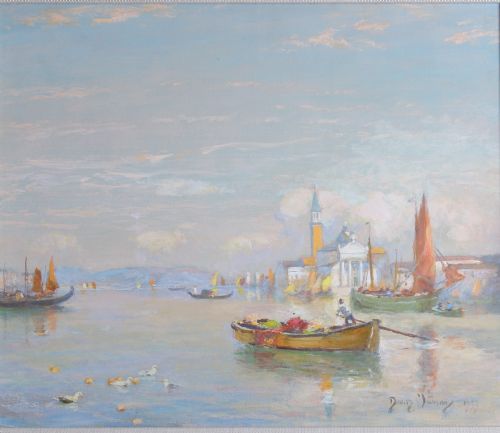
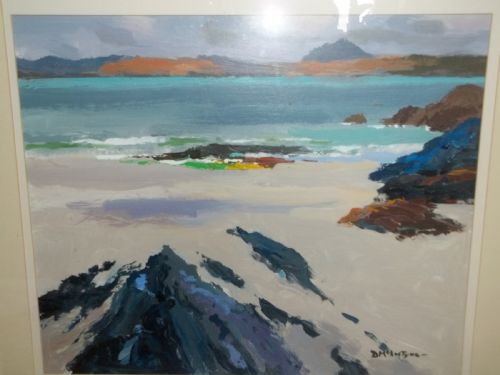
Original Marine Landscape Painting
An original marine landscape painting captures the enduring pull of the coastline, recording harbours, storms and quiet shores in oil or watercolour.
Original Marine Landscape Painting
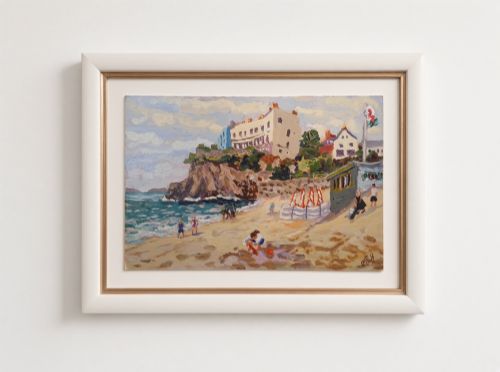
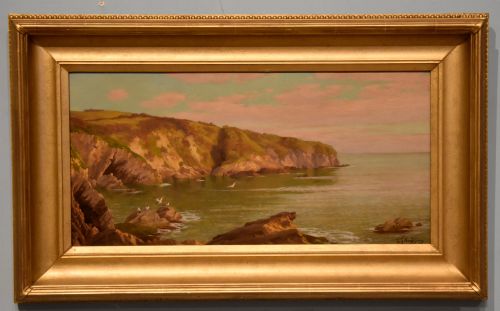
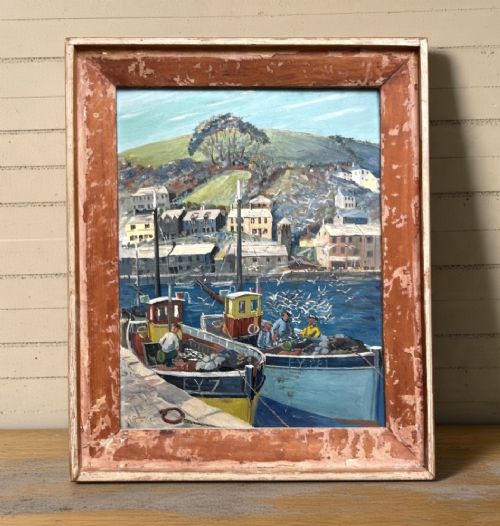
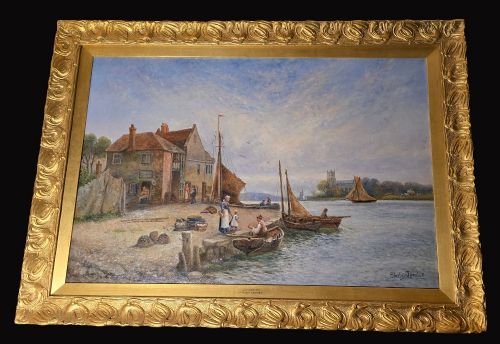
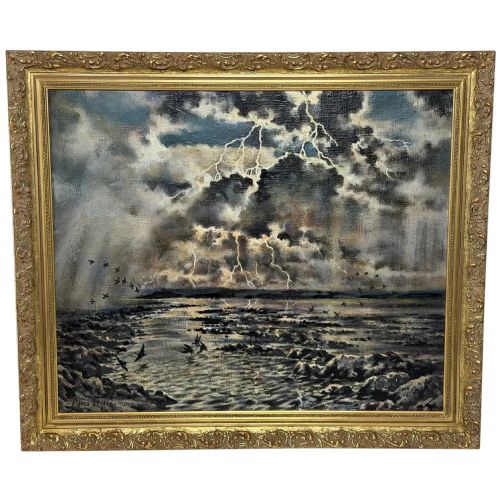
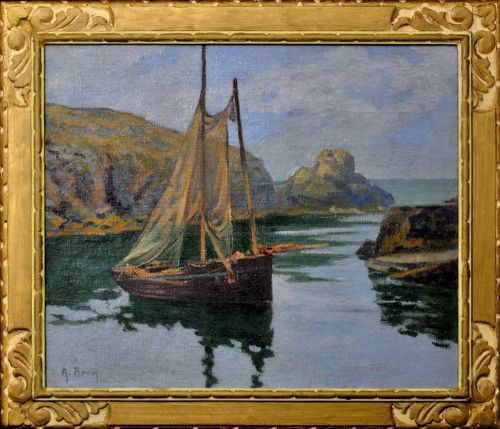
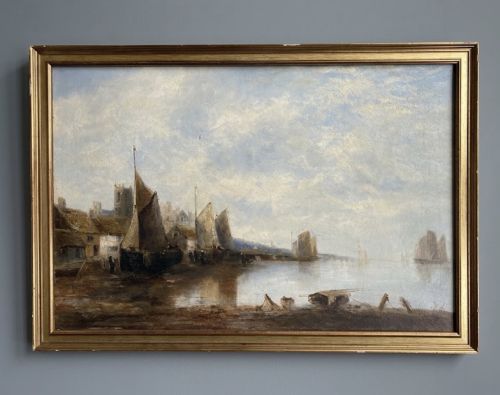
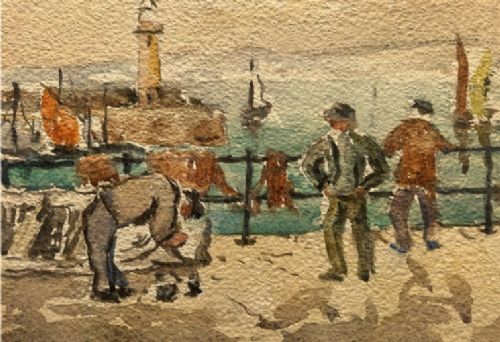
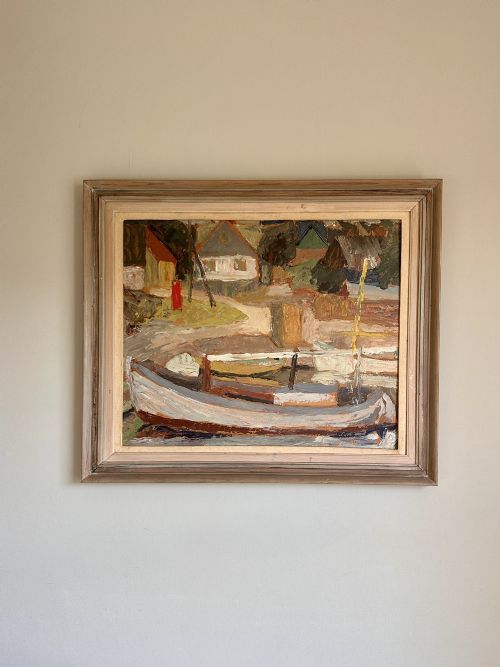
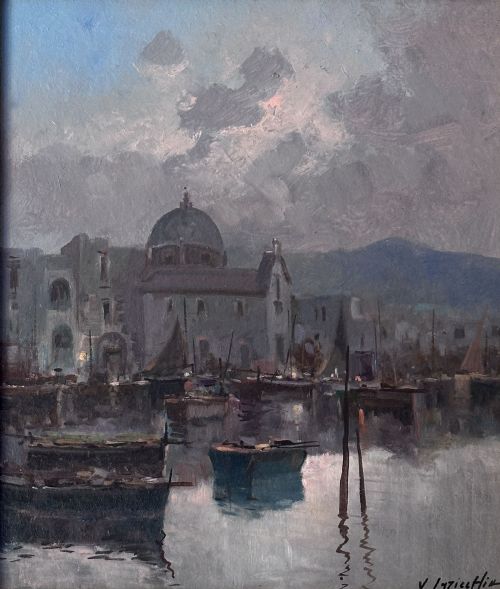
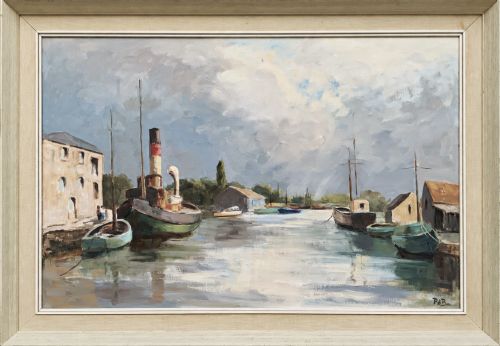
An original marine landscape painting brings the open water, rocky cliffs and bustling fishing ports directly onto the wall. These works capture coastal life, shipping vessels and tidal changes through the brush of artists working across the nineteenth and twentieth centuries.
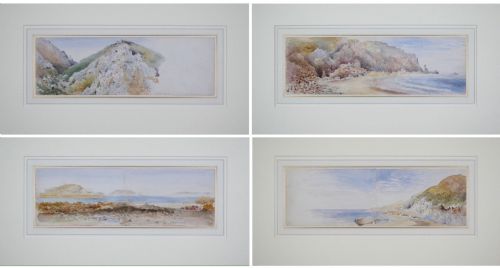
The selections available here range from nineteenth-century Victorian maritime watercolours to mid-century oil paintings on canvas and board. Buyers encounter both tranquil harbour scenes and dramatic coastal storms painted by named artists and regional schools.
How They Were Made
Painters recorded these coastal scenes using oil paint or watercolour applied to canvas, wood panels, heavy paper or board. Many nineteenth-century and early twentieth-century canvases sit within original gilt gesso frames that complement the composition.
Artists often worked en plein air directly on the shore to capture shifting light and weather, whilst others developed studio watercolours finished with ink pen and pastel details.
Original Marine Landscape Painting Retail Price Guide 2026
Typical asking prices for original marine landscape painting among the pieces listed under this phrase on Sellingantiques today, from the lower quarter to the upper quarter. They describe what is for sale here now, not the wider market.
Listings feature works from the Victorian period through to mid-century modernism, utilising canvas, paper, wood and oil paint.
What Varies in Quality
Quality rests upon the artist's command of light, atmosphere and medium, distinguishing a swift sketch from a deeply observed coastal study. Handling of water, sky and architectural elements in harbour scenes shows the painter's technical confidence.
The preservation of the paint surface and the integrity of any original gilt frame significantly influence the standing of a piece.
Edward J Humphries·Bob Quixley·Moss Williams·Achille Bron·William Calcott Knell·Stanley Leader·George F Pennington·Peggy de Brett·Philip Naviasky·Sir David Murray RA·Donald McIntyre·Kenneth Cozens·James Orrock·Sidney A Court·James E Aitken·John E Aitken·William Banks Fortescue·Clive Browne·Peter Brannan·Hector Caffieri·Joseph Farquharson RA·Robert Leslie Howey·Walter Goodin·John Moxon·Alfred George Morgan
The Original Marine Landscape Painting Glossary
- En plein air
- Painting outdoors to capture direct observations of natural light and weather. This practice became central to nineteenth-century and impressionist landscape methods.
- Gesso
- A plaster-like mixture applied to wooden frames before gilding. It provides a smooth surface for carving and gold leaf application.
- Gouache
- An opaque water-based paint similar to watercolour but heavier and more reflective. Artists use it to add highlights and solid colour areas to works on paper.
- Seascape
- A work of fine art depicting the sea, coastlines and marine vessels. These subjects range from calm shorelines to violent storms.
Original Marine Landscape Painting: Frequently Asked Questions
How do I hang a framed oil painting?
Secure picture wire or D-rings directly into firm wall studs using appropriate fixings to support the weight of the canvas and frame.
Keep the artwork away from direct sunlight and strong heat sources to protect both the oil paint and the timber frame.
What is the difference between oil and watercolour marine paintings?
Oil paintings utilise heavy pigments suspended in drying oils applied to canvas or wood, offering a rich textured surface that withstands light well.
Watercolours use water-soluble pigments on paper, requiring protective glass framing to prevent moisture damage.
How can I tell the period of a marine painting?
Examine the materials, stretcher frames, paper types and framing styles alongside any signatures or artist dates recorded on the reverse.
Victorian and Edwardian works often feature heavy gilt gesso frames, whilst mid-century pieces lean towards simpler board supports.
Where were these coastal scenes usually painted?
Artists travelled to active fishing ports, rocky beaches and tidal estuaries across Britain and Europe, including Cornwall, Yorkshire and Venice.
Many painters worked directly on the shoreline to record local vessels, mending nets and harbour architecture.