



Newlyn School Art
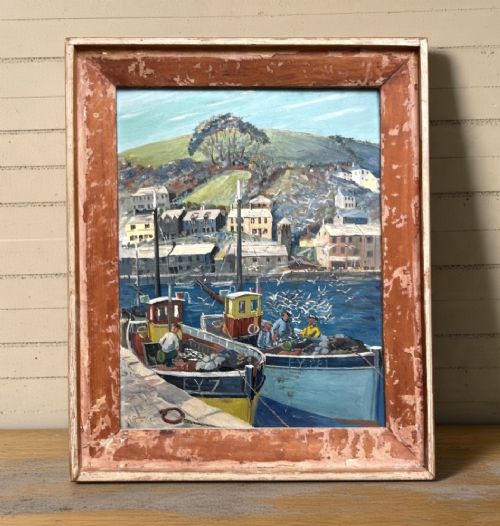
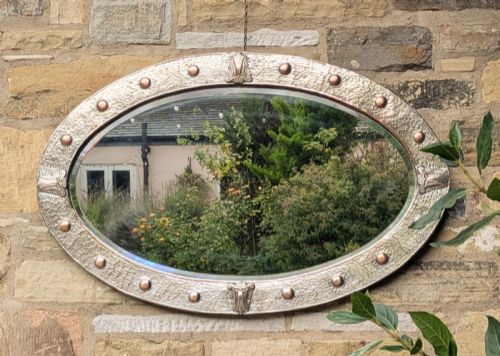
Newlyn school art brings coastal Cornwall into the room through paintings, mirrors, and hammered metalwork.
Newlyn School Art
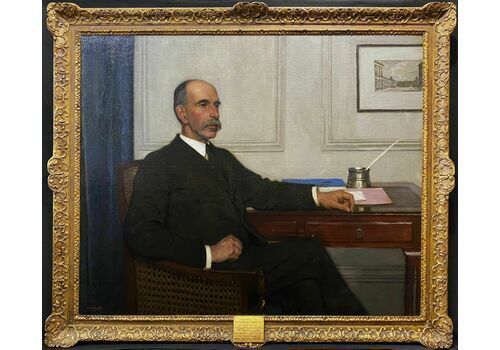
Newlyn school art captures the coastal life, fishing communities, and landscapes of Cornwall across the late nineteenth and twentieth centuries. Buyers seeking these pieces encounter paintings in oil and watercolour, alongside Arts and Crafts metalwork and mirrors.
The works on this page span several decades, moving from nineteenth-century marine scenes and portraits into twentieth-century watercolours and modern British interpretations. The forms remain grounded in regional craft, maritime subjects, and domestic decorative objects.
Paintings dominate the selection, portraying fishermen, harbour views, and coastal expanses, while metalwork pieces demonstrate the distinctive hammered surfaces associated with the region. Together they form a cohesive record of an influential artistic colony.
How they were made
Makers shaped metal objects such as trays and mirrors from copper and brass, employing hand-hammered techniques to create textured surfaces. These metal pieces often incorporated Arts and Crafts motifs reflecting local marine and animal subjects.
Artists worked in oil paint and watercolour on various supports including canvas, paper, board, and pastel. The handling ranges from detailed marine portraiture to looser post-impressionist landscape studies.
Newlyn School Art Retail Price Guide 2026
Typical asking prices for newlyn school art among the pieces listed under this phrase on Sellingantiques today, from the lower quarter to the upper quarter. They describe what is for sale here now, not the wider market.
Fishermen's daughters and hooks feature alongside hammered animal motifs, proving Cornwall's artists found inspiration in both the sea and the farmyard.
What varies in quality
Quality rests in the handling of the medium and the strength of the composition, whether in the brushwork of an oil painting or the crispness of a hammered metal motif. Pieces that capture light and atmosphere with conviction stand apart from more routine examples.
The distinction also lies in the clarity of attribution and the direct connection to the artistic circle, where documented works by known painters hold greater art historical weight than anonymous output.
Harold Knight RA·Ralph Todd·William Lee Hankey·S. J. Lamorna Birch·Bob Quixley
The Newlyn School Art Glossary
- Newlyn School
- An art colony established in Cornwall during the late nineteenth century where artists painted plein air scenes of local life. This approach emphasised natural light and realist portrayals of fishermen and coastal workers.
- Arts and Crafts
- A design movement valuing handcraftsmanship, traditional materials, and utility over industrial mass production. It heavily influenced the metalwork and decorative objects produced in the region.
- Watercolour
- A paint method using water-soluble pigments applied to paper. It was frequently utilised for rapid coastal sketches and finished landscapes.
- Post-Impressionism
- A French art movement that extended Impressionism while rejecting its limitations, influencing later British artists to focus on bolder forms and expressive colour.
- Marine Painting
- Artwork depicting ships, seascapes, harbours, and maritime activities. It forms a central subject within the regional output.
Newlyn School Art: Frequently Asked Questions
What subjects define Newlyn school art?
The works focus heavily on Cornish coastal life, depicting fishermen, harbour scenes, boats, and local landscapes. Artists immersed themselves in the daily routines of the fishing community.
Portraits of local residents and marine views appear frequently across both paintings and watercolours.
How do I care for these watercolours?
Watercolour paintings require protection from direct sunlight to prevent fading of the pigments on paper. Framing under conservation-grade glass helps shield the work from environmental damage.
Keep them away from damp environments to protect the paper support and prevent mould growth.
What materials are used in the metalwork?
Metal objects like trays and mirrors are typically made from copper or brass. Craftsmen utilised hand-hammered techniques to create decorative surface textures and animal motifs.
Silver plating also appears on select Arts and Crafts domestic items from the period.
How do I distinguish the periods?
Nineteenth-century pieces tend toward realist marine subjects and detailed portraiture of fishermen. Later twentieth-century works often embrace modern British and post-impressionist sensibilities with looser brushwork.
Examining the supporting medium, such as board or canvas, alongside the stylistic approach helps clarify the era.