





Distressed Wood Frame Painting
Distressed wood frame painting pieces bring character to a room through weathered surfaces and traditional craftsmanship.
Distressed Wood Frame Painting
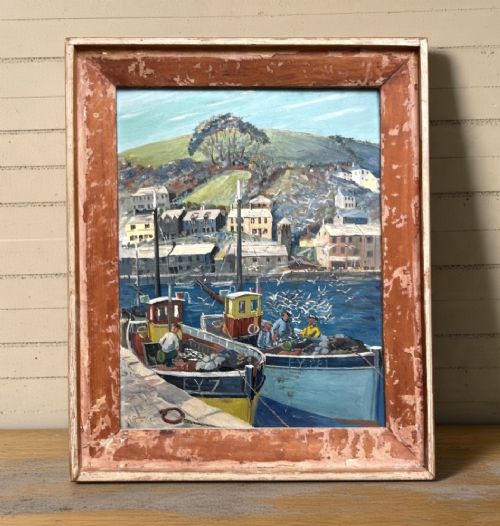
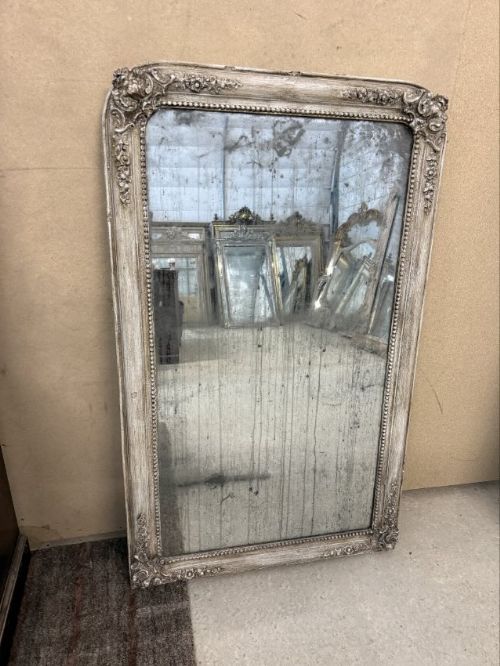
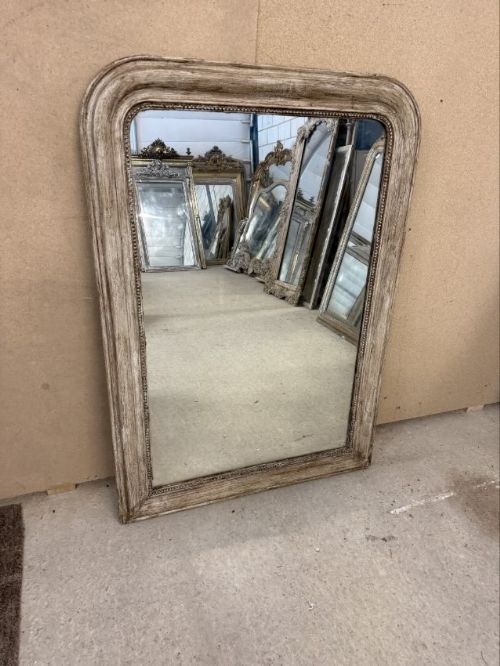
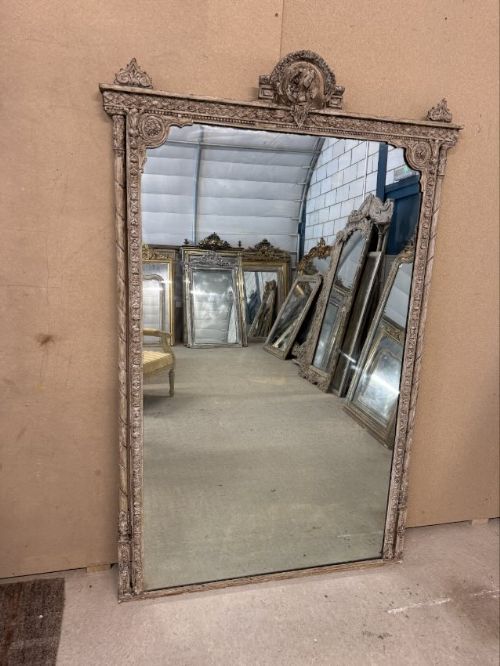
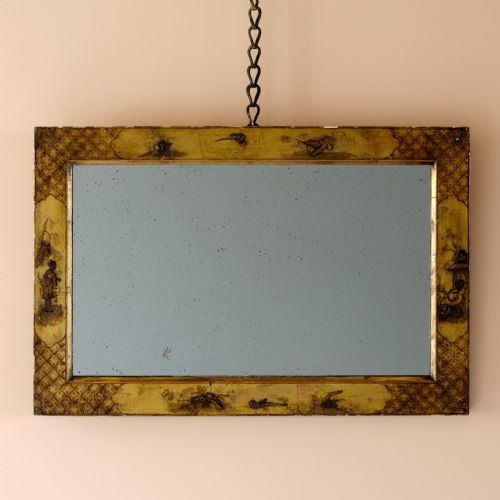
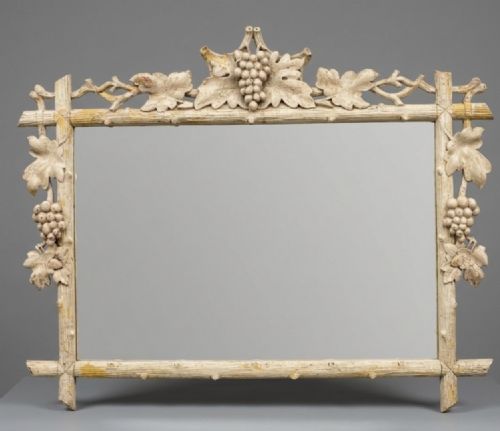
A distressed wood frame painting search brings up a variety of items featuring painted wood, carved wood, and glass components. While oil paintings and botanical engravings appear in the inventory, mirror frames form a substantial part of the selection.
The objects span from the nineteenth century into the early twentieth century, showing influences from French provincial, Louis Philippe, and Rococo styles. Many items originate from French and English workshops of the period.
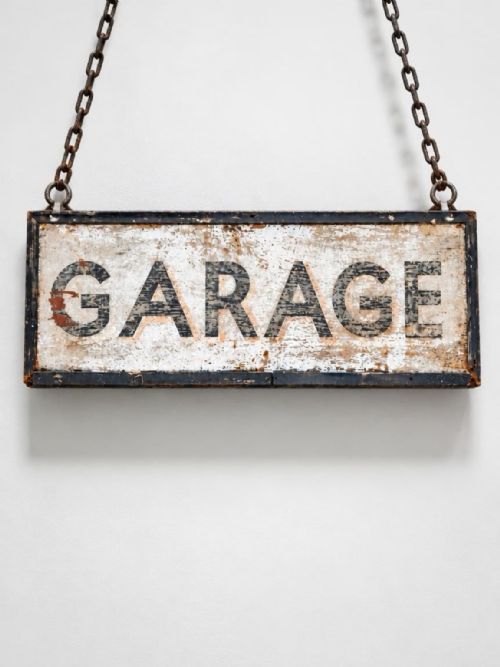
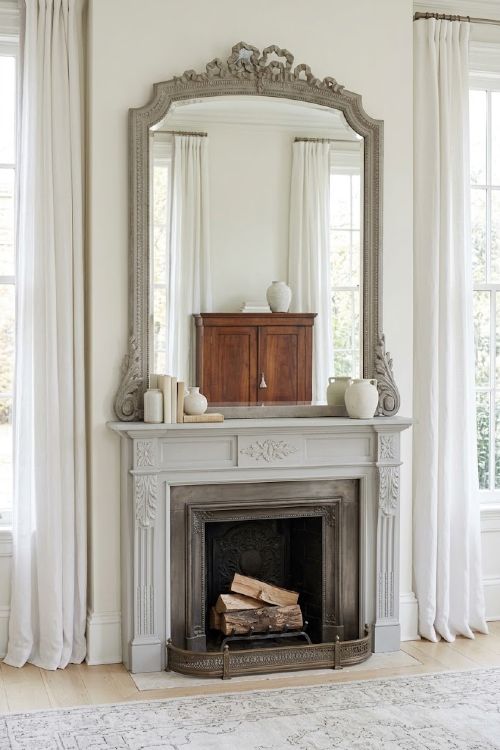
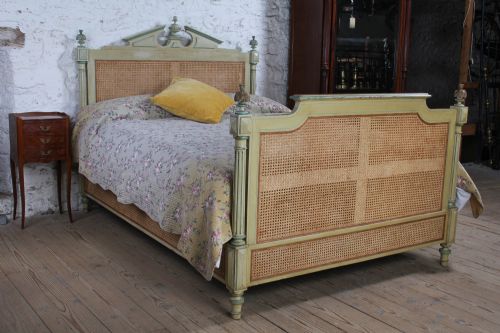
Buyers encounter architectural mirrors, overmantels, and beds alongside framed artworks and trade signs. The unifying feature remains the worked wooden frame showing age and painted decoration.
How they were made
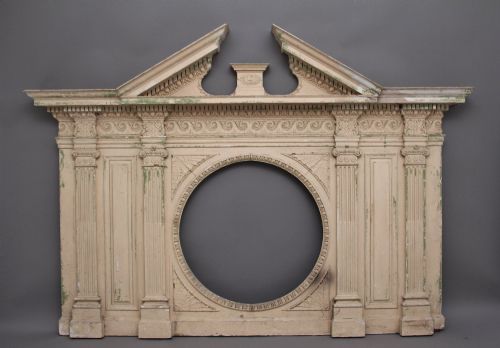
Maker's workshops built these frames using carved wood and applied gesso to create relief decoration before adding layers of paint or gold leaf. Overmantel mirrors and wall mirrors often utilise pine or similar timbers shaped into architectural arches and column frames.
Surface treatments involve original paint, over-painted gilt, and distressed finishes that reveal the material underneath through decades of wear. Glass components include mirror glass, marginal mirror plates, and painted art surfaces.
Distressed Wood Frame Painting Retail Price Guide 2026
Typical asking prices for distressed wood frame painting among the pieces listed under this phrase on Sellingantiques today, from the lower quarter to the upper quarter. They describe what is for sale here now, not the wider market.
A nineteenth century carousel mirror offers a spin on wall decor, bringing fairground heritage directly into the home.
What varies in quality
The distinction between pieces rests on the depth of hand-carved detail within the wood and gesso ornamentation. Crisp architectural mouldings and balanced proportions elevate certain mirrors and frames above simpler utility items.
The integrity of the original paint layer and the natural character of the distressing determine visual appeal. Surviving original finishes without heavy modern restoration hold distinct interest for collectors.
Bob Quixley·Pancrace Bessa
The Distressed Wood Frame Painting Glossary
- Gesso
- A plaster-like mixture applied to wood frames to create a smooth surface for painting or gilding. This material takes intricate carved detail before finishing.
- Overmantel mirror
- A large wall glass designed to hang specifically above a fireplace mantel. These pieces frequently feature arched tops or column frames.
- Gilt
- A thin layer of gold leaf applied to the surface of wood or gesso frames. It provides a reflective metallic finish that often tones down with age.
- Marginal mirror
- A style where a central mirror plate is surrounded by smaller separate panes of mirrored glass at the edges. This construction requires precise frame joinery.
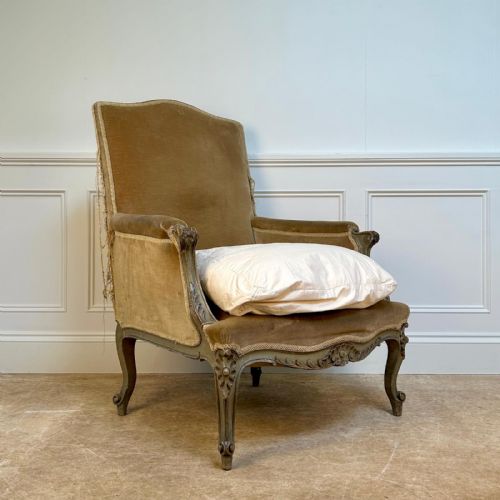
- Bergère
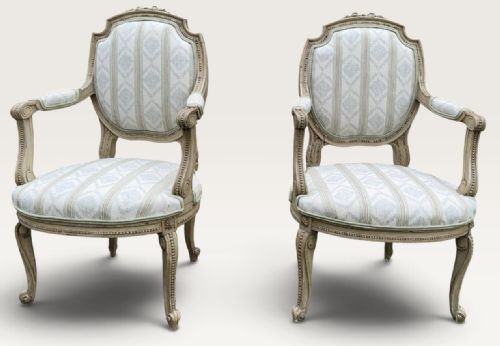
- An enclosed upholstered armchair with wooden framing visible around the sides and back. The style dates through the nineteenth century and later.
Distressed Wood Frame Painting: Frequently Asked Questions
What periods do these pieces date from?
The selection primarily spans the nineteenth century, including specific dates from the 1850s through to the 1920s. Items reflect historical design revivals popular during those decades.
Craftsmen produced mirrors, beds, and decorative frames using traditional techniques that evolved across the Victorian and Edwardian eras.
Are the painted finishes original?
Many items retain original paint or period over-painting developed through years of exposure and use. Weathered surfaces show natural wear rather than uniform modern reproduction.
Examining the layers helps determine the age of the decorative finish on the carved wood and gesso.
How do I hang a heavy overmantel mirror?
Large overmantel mirrors require secure wall fixings suited to the substantial weight of the wood, gesso, and glass. Professional installation into masonry or wall studs ensures stability.
Positioning the piece above a fireplace or low sideboard follows the traditional placement for these architectural items.
What styles are represented in the frames?
French provincial, Louis Philippe, Rococo Revival, and Empire styles appear frequently across the framed mirrors and seating. These designs incorporate classical architectural elements like columns and arched tops.
English and Italian regional variations also contribute to the range of decorative details found on the wooden frames.