





Original Late Victorian Painting
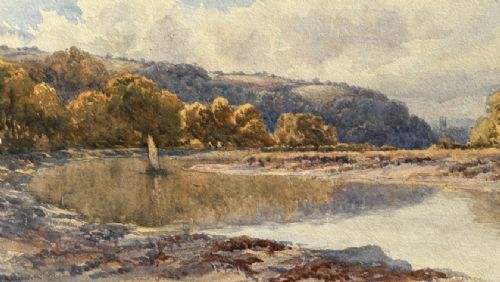
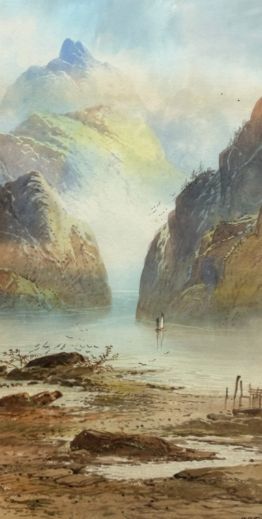
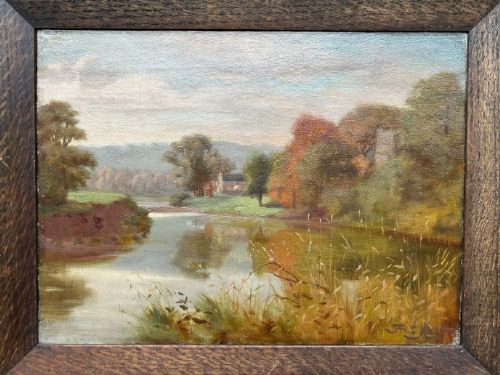
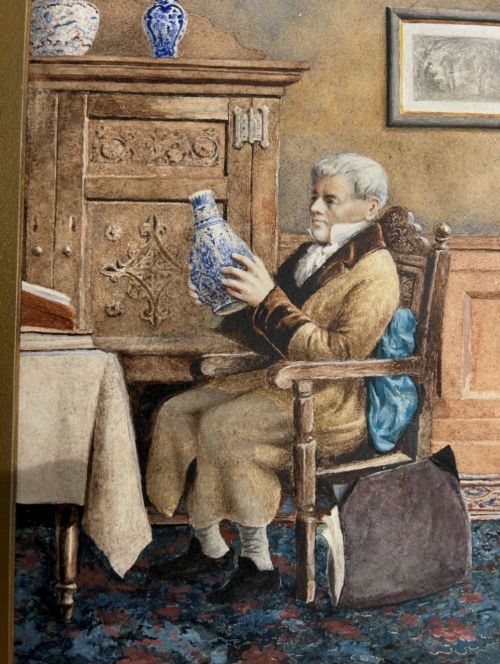
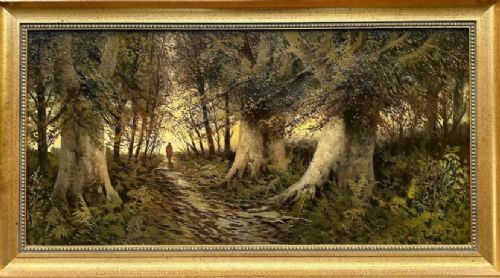
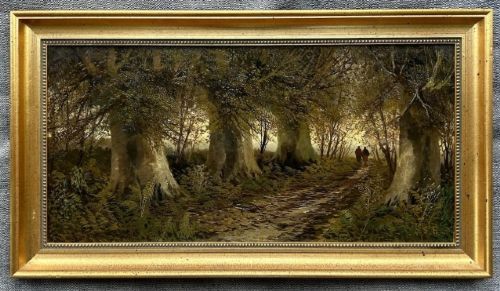
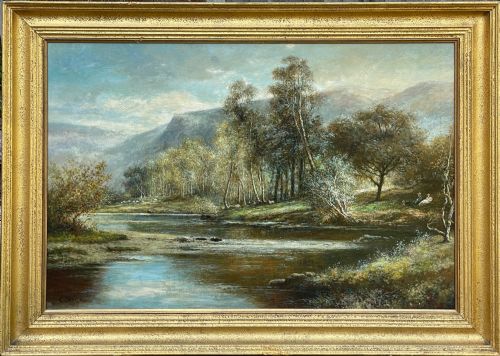
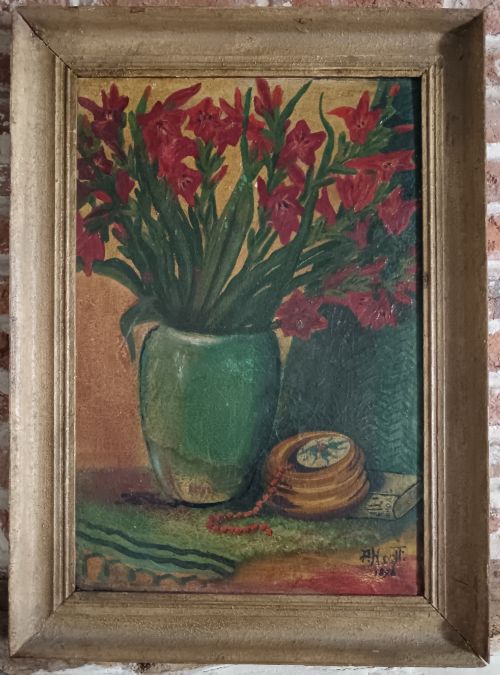
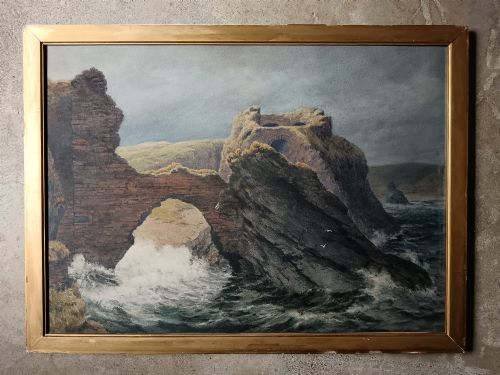
An original late victorian painting captures the breadth of nineteenth-century artistic output, spanning atmospheric landscapes, coastal scenes, and intimate character studies.
Original Late Victorian Painting
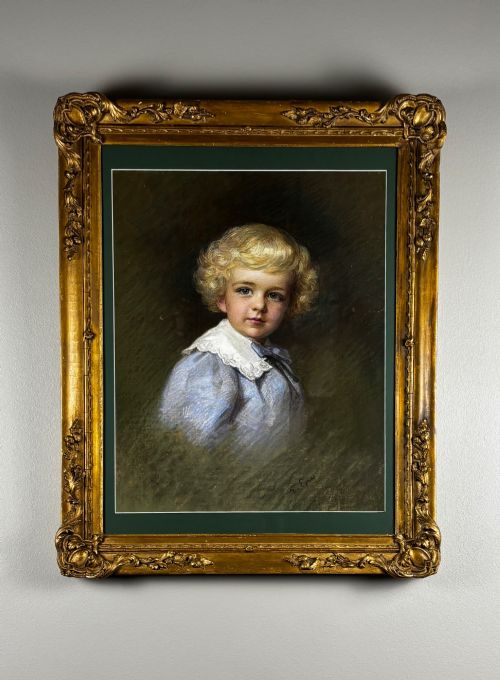
An original late victorian painting encompasses framed works created during the closing decades of the nineteenth century and the early years of the twentieth. Buyers encounter diverse subjects on this page, ranging from sweeping British and Scottish landscapes to maritime views, genre scenes, and portraits.
The selections reflect the prevailing aesthetic movements of the period, including naturalism, realism, and early impressionist tendencies. Many examples bear the signatures of known regional artists, while others represent the competent output of the British and European schools.
How they were made
Makers applied oil paint or watercolour pigment to traditional supports such as stretched canvas, wood panels, heavy paper, card, and occasionally glass. Canvases and panels received oil layers manipulated with brushes and palette knives to build texture and depth.
A shy bather painted by a student of Manet rubs shoulders here with stern Victorian ladies in black dresses.
What varies in quality
Quality rests upon the artist's command of medium, handling of light, and compositional confidence. Superior works demonstrate assured brushwork or delicate wash control that defines atmospheric effects, such as mist over water or fading sunset light.
The integrity of the original support and the preservation of the pigment layer also distinguish pieces. Finer examples retain their original period framing and bear clear signatures or documented provenance connecting them to established nineteenth-century painters.
David Law·James Orrock·William Henry Earp·Alfred Young Nutt·Frederick Marriott·William Banks Fortescue·Thomas W Lascelles·E Brown·Emily Eyres·John Moxon·William George Tennick·Philip Richard Morris·Robert Little·Harry Wanless·Arthur Herbert Rigg·Robert John Hammond·Colin H Greenwood·Henry Bailey·John Syer·Alfred Grey·Robert Buchan Nisbet·Kate E Booth·William Manners·Clara Montalba·Thomas Pyne
The Original Late Victorian Painting Glossary
- Watercolour pigment
- Colouring material ground with a water-soluble binder, applied in washes to paper to create luminous effects. This medium was widely favoured by British artists for landscape sketching and finished gallery pieces.
- Canvas
- A heavy woven fabric stretched across a wooden frame to serve as a foundation for oil paint. It provides a durable surface that accommodates varied brushwork and impasto.
- Genre scene
- A painting depicting aspects of everyday life, ordinary people, or domestic narratives. These works offer social insight into nineteenth-century habits and attire.
- Gilt wood
- Timber frames finished with a thin layer of gold leaf or metallic gilt compound. They provide period-appropriate ornamentation that complements Victorian and Edwardian canvases.
- Impressionist
- A style characterised by visible brush strokes and an emphasis on accurate depiction of light in its changing qualities. Such works emerged towards the end of the nineteenth century.
Original Late Victorian Painting: Frequently Asked Questions
How do I identify a late Victorian painting?
Examination of the materials, subject matter, and framing style helps determine the period. Many works carry artist signatures, dates, or inscriptions on the reverse that anchor them to the late nineteenth century.
Stylistic markers such as romanticised realism, landscape naturalism, and specific Victorian costume details further assist in dating the piece accurately.
What subjects are most common?
Landscapes and coastal scenes dominate the surviving inventory from this era. Artists frequently recorded rural vistas, river valleys, and maritime activities across Britain and Europe.
Portraiture and genre scenes depicting everyday figures also appear regularly, offering a window into Victorian social life and domestic environments.
How should I care for an antique painting?
Display the artwork away from direct sunlight and excessive humidity to protect the delicate pigments and wooden supports. Stable environmental conditions prevent the canvas or paper from warping.
Dusting should be performed gently with a soft, dry brush, avoiding liquid cleaners or harsh chemicals that might damage the paint surface or old varnish.