





Original Landscape Art
Original landscape art captures fleeting natural light and topography across centuries of British and European tradition.
Original Landscape Art
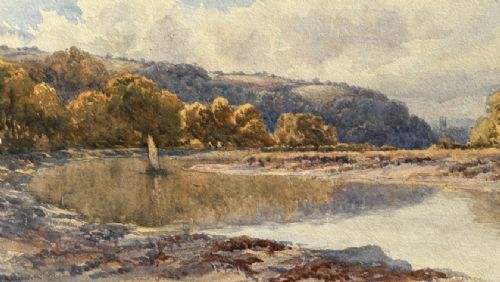
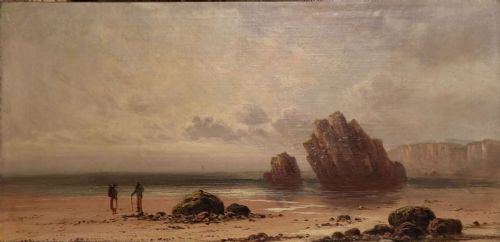
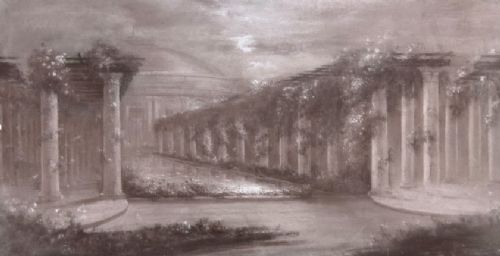
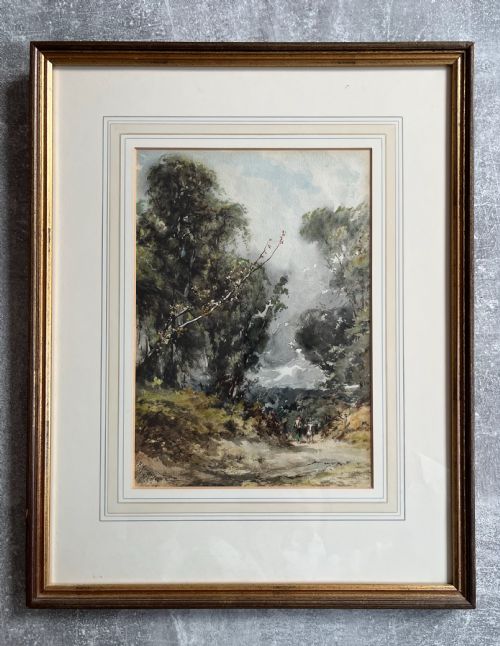
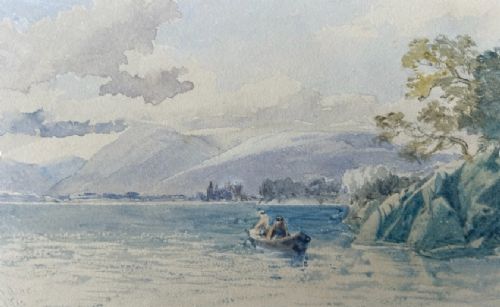
Original landscape art encompasses hand-painted works depicting natural scenery, rural vistas, and coastal views. These pieces span from nineteenth-century romantic watercolours to mid-century modern oil paintings.
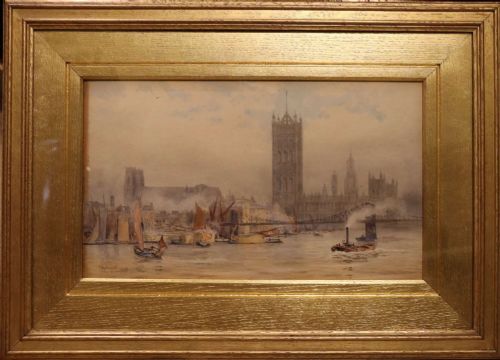
Buyers will encounter framed watercolours on paper and oil paintings on canvas or wood panels. Many date from the Victorian and Edwardian eras through to the mid-twentieth century.
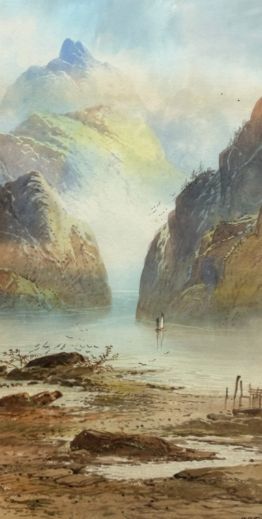
The selections include detailed depictions of Scottish highlands, English river valleys, and continental European scenes. Each painting offers a direct record of topography and weather as observed by the artist.
How they were made
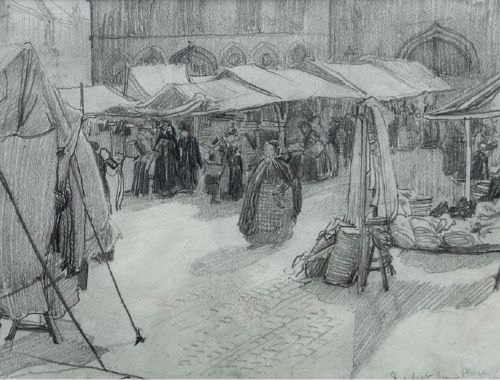
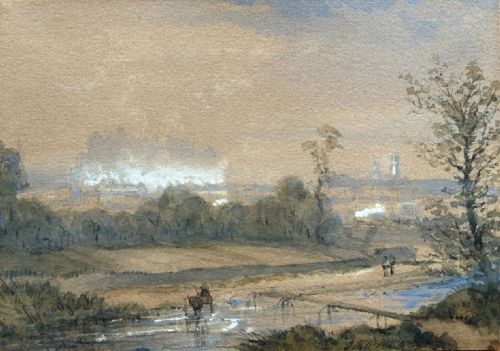
Artists applied watercolour pigment to paper, often working en plein air to capture immediate atmospheric shifts. Pencil and charcoal underdrawings frequently support these translucent washes.
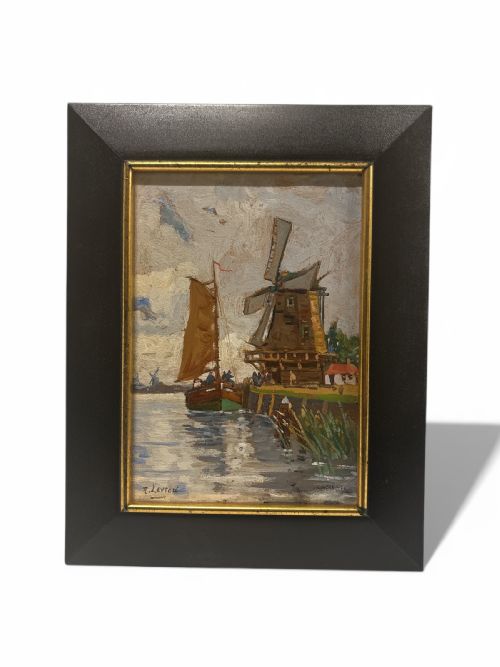
Oil painters utilised oil paint on canvas, wood panels, or boards, building rich impasto textures or smooth glazes. These durable supports preserve the depth and luminosity of the original brushwork.
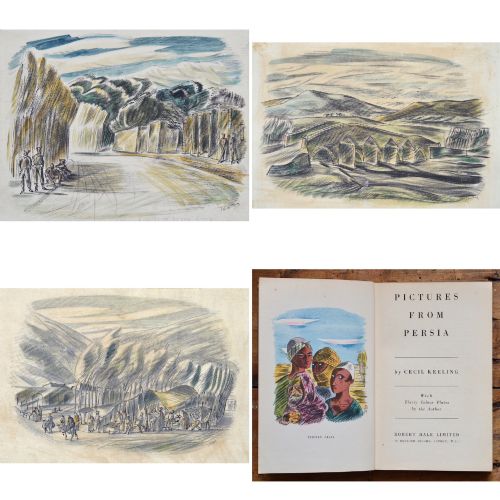
Listings feature works spanning the nineteenth century through the mid-twentieth century, executed in oil, watercolour, and charcoal.
What varies in quality
Technical proficiency in handling light, perspective, and atmospheric depth distinguishes superior works from routine topographical sketches. The strongest examples demonstrate confident brushwork and harmonious tonal balance.
Condition and preservation play a vital role, particularly for works on paper susceptible to fading or foxing. Original framing and clear artist signatures or attribution further elevate the standing of a piece.
Thomas Miles Richardson Jnr·Eugène Verboeckhoven·William Henry Earp·Percy Lancaster·Arthur Wardle·Margaret Fisher Prout
The Original Landscape Art Glossary
- Watercolour
- A painting method where fine pigment is suspended in a water-based, translucent solution applied to paper.
- Impasto
- Paint applied thickly to a canvas or panel, leaving distinct brush or palette knife marks that stand proud of the surface.
- En plein air
- The practice of painting outdoors directly from the subject to capture natural light and transient weather.
- Gouache
- An opaque water-based paint that provides solid, matte areas of colour within works on paper.
- Provenance
- The documented history of ownership that traces a work from its creation to the present collection.
Original Landscape Art: Frequently Asked Questions
How do I care for antique watercolours?
Keep works on paper away from direct sunlight to prevent the watercolour pigments from fading over time. Ensure they are framed with acid-free mount board to protect the paper from discolouration.
Maintain stable indoor humidity levels to safeguard both the paper support and the historic frame. Professional framing with UV-filtering glass offers the best long-term protection.
What is the difference between oil and watercolour landscapes?
Watercolours utilise translucent pigments on paper, creating luminous, delicate scenes that traditionally required protective glass framing. Oil paintings employ thick binders on canvas or wood panels, offering richer textures and greater resilience.
Oil works generally capture heavier impasto and deeper tonal ranges, whereas watercolours excel at luminous skies and swift weather effects.
How can I tell the period of a landscape painting?
Examine the materials, stretcher types, and paper watermarks alongside any visible artist signatures or dates. Stylistic cues such as Victorian romanticism or mid-century modern abstraction also point directly to the era of creation.
Examine the framing and backing boards, as older pieces often retain period-appropriate mouldings and historic gallery labels on the reverse.
Where should I hang a landscape painting?
Select interior walls that avoid direct, harsh sunlight and excessive moisture found in unventilated bathrooms. Eye-level placement in principal rooms allows the fine details of the topography and brushwork to be appreciated.
Pairing antique works with simple, neutral backgrounds lets the traditional colour palette and framing stand out without visual competition.