
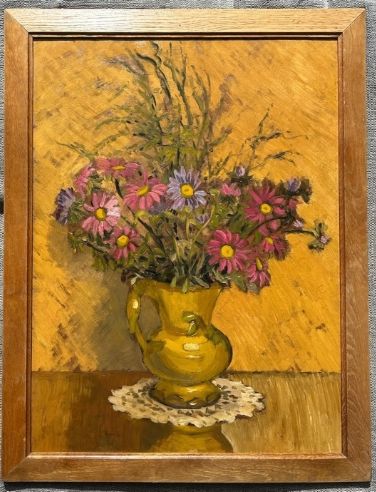

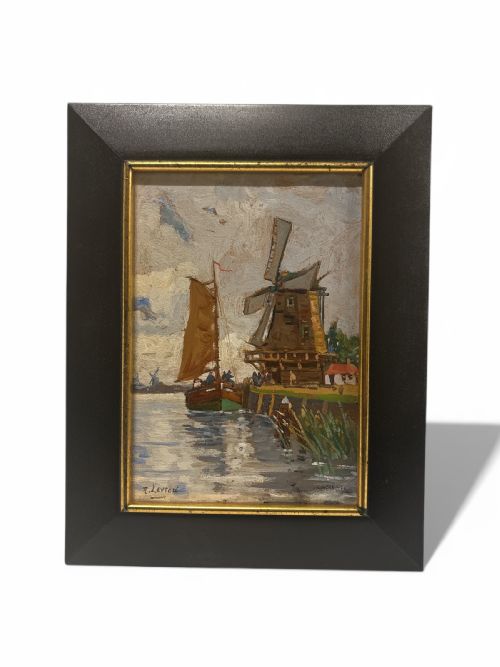

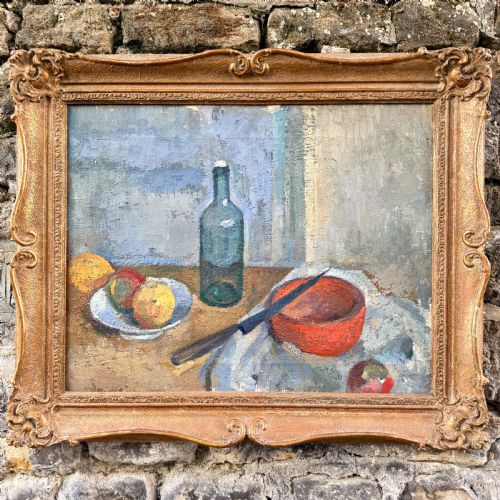
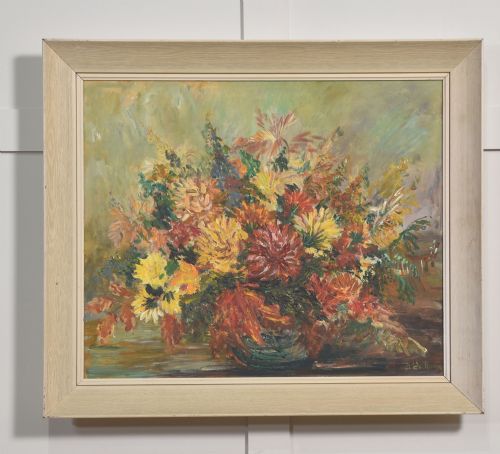
Original Impasto Artwork
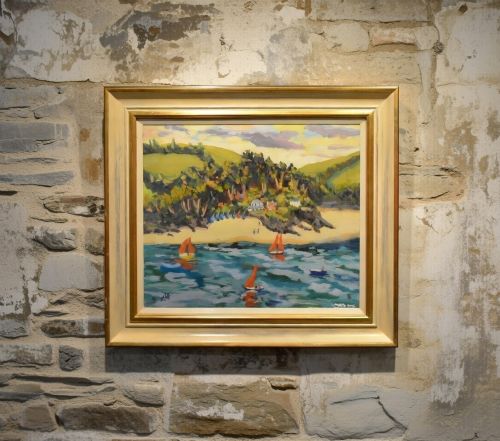
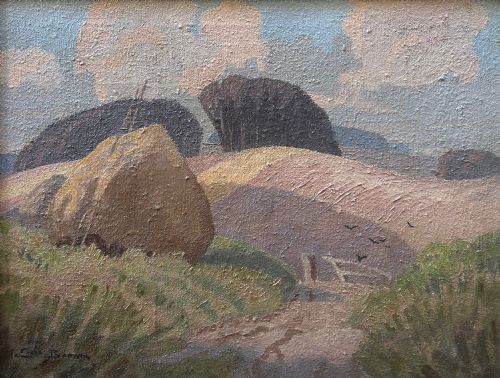
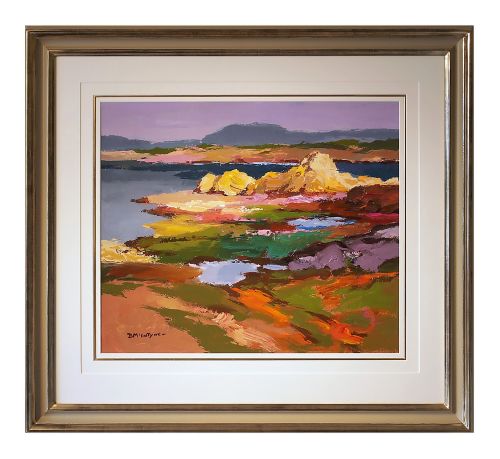
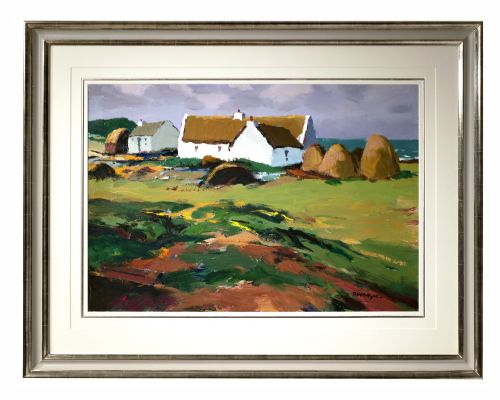
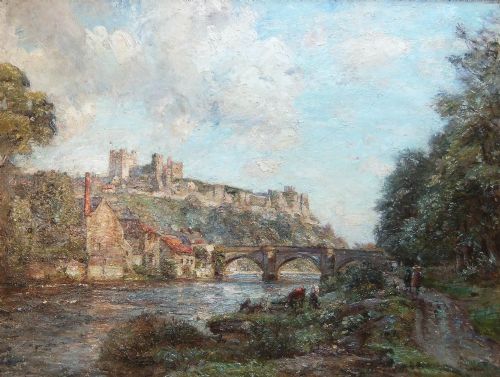
Original impasto artwork brings tangible depth and tactile energy to a wall through thick, raised layers of pigment.
Original Impasto Artwork
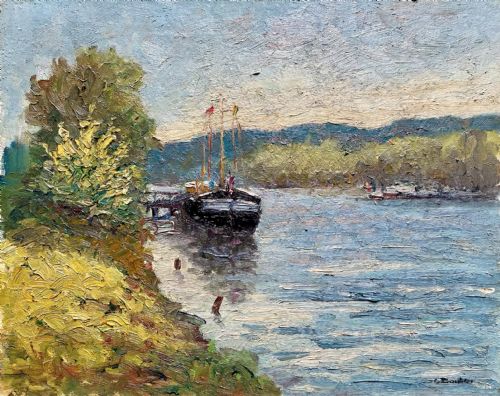
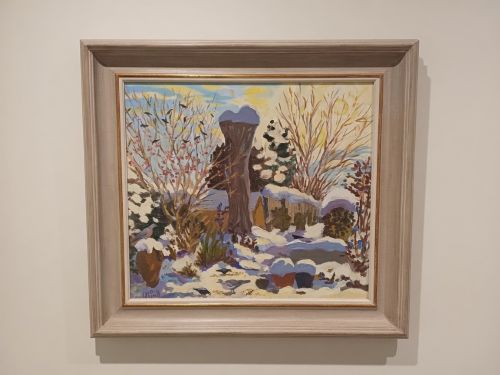
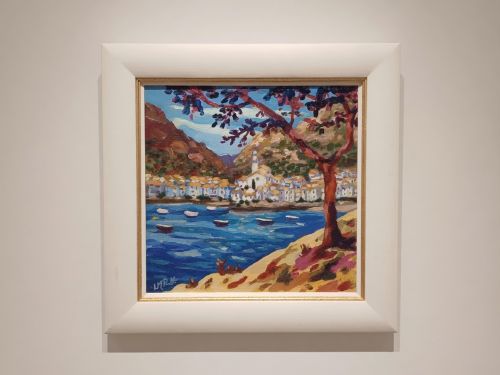
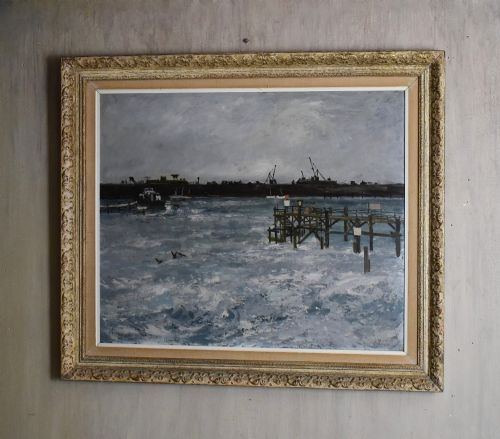
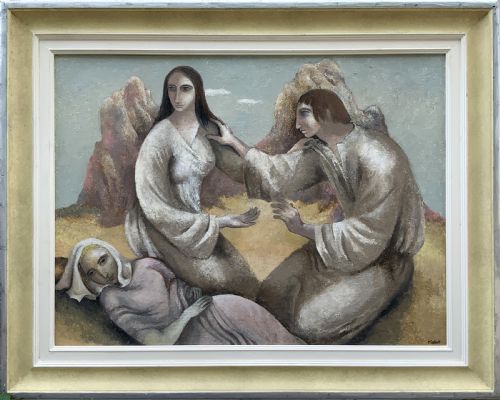
Original impasto artwork encompasses oil paintings where pigment is applied thickly enough to stand proud of the surface, creating a sculptural quality on the canvas or board. When exploring original impasto artwork, buyers encounter various twentieth-century movements including Post-Impressionism, Modern British, and Mid-Century Modernism.
The subjects span maritime coastal seascapes, floral still lifes, French market squares, and northern townscapes from periods ranging across the nineteenth and twentieth centuries. Works from the nineteen-fifties and nineteen-sixties frequently appear, often capturing light and atmosphere through visible brushstrokes and palette knife marks.
Compositions range from intimate interior scenes and expressive portraits to sweeping harbour views and architectural cityscapes. Each piece records the direct touch of the painter, preserving the physical gesture of creation within the dried medium.
How these pieces were made
Artists built up these surfaces using oil paint applied heavily to woven canvas stretched over wooden frames or directly onto sturdy boards. The high oil content allowed the thick impasto ridges to retain their physical shape as the paint dried over weeks or months.
Painters utilised stiff bristle brushes and flat metal palette knives to lay down dense blocks of colour and sculptural strokes. This technique allowed the creator to manipulate light across the raised ridges of pigment, adding genuine dimension to the painted surface.
Some coastal landscapes still retain stubborn grains of sand embedded directly into the thick sea spray of the paint.
What varies in quality
Quality rests upon the confidence of the handling and how purposefully the thick pigment describes form, light, and space. Stronger compositions use the heavy impasto to structural effect rather than relying on texture alone for surface interest.
The relationship between the support and the heavy weight of the paint matters greatly, as robust boards or properly tensioned canvases prevent sagging and cracking over decades. Greater works display a complete harmony between the boldness of the paint application and the underlying draughtsmanship.
Kenneth Cozens·Peter Brannan·Donald McIntyre·Herbert Royle·Lilian Colbourn·Ronald Ossory Dunlop·Helen Layfield Bradley·Jean-Baptiste Olive·James Fry·Gaetan Dumas·Gabriel Dauchot·Baruch Shalom Oskotsky
The Original Impasto Artwork Glossary
- Impasto
- Paint applied thickly to a canvas or board, standing out in relief so that the marks of the brush or palette knife remain clearly visible. This technique adds literal texture and shadow to the painted surface.
- Post-Impressionism
- An artistic movement following Impressionism that extended its use of vivid colours and thick application while placing greater emphasis on geometric forms and expressive content. Works in this style often prioritize personal emotional response over optical realism.
- Oil paint
- A slow-drying medium consisting of pigments suspended in a drying oil, typically linseed. Its slow drying time allows artists to blend colours and build up heavy, sculptural layers.
- Board
- A rigid flat substrate used as an alternative to stretched canvas for painting. Artists frequently painted directly onto prepared wooden or composite boards during the twentieth century.
Original Impasto Artwork: Frequently Asked Questions
How should I hang an impasto painting?
Display these works away from direct sunlight and damp environments to protect the thick layers of oil paint from thermal stress. Ensure the wall fixing is secure, as heavy canvases and framed boards carry substantial weight.
Position the piece at eye level where ambient room lighting can strike the raised pigment and cast subtle shadows across the surface.
How do I date a mid-century work?
Examine the materials used for the support, such as specific types of canvas stretchers or stamped manufacturer boards popular during the mid-twentieth century. Stylistic markers like modernist abstraction or post-impressionist colour palettes also point towards the nineteen-fifties and sixties.
Signatures, framing details, and any old gallery labels on the reverse often provide corroborating evidence for the exact period of creation.
Why are some paintings on board?
Many twentieth-century artists preferred wooden or composite boards because they offered a rigid, stable foundation for heavy knife work. Board supports easily resisted the heavy pressure exerted by palette knives during aggressive impasto application.
These panels proved durable and convenient for plein-air painting, allowing artists to capture coastal scenes and townscapes quickly outdoors.