

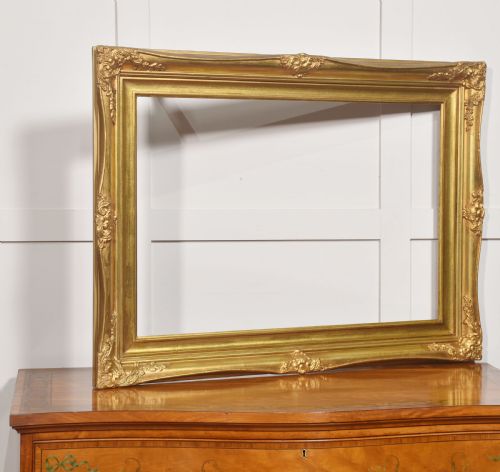


Ornate Swept Frame Painting
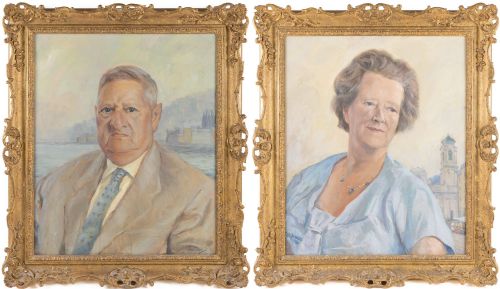
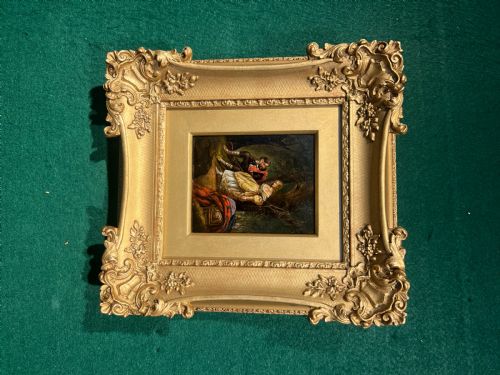
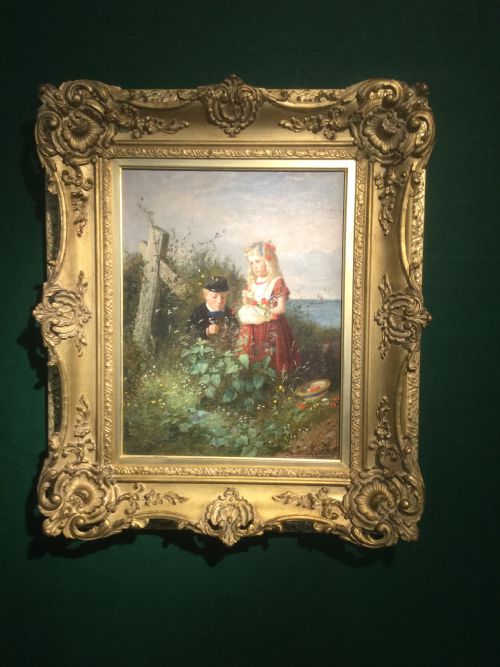
An ornate swept frame painting combines vigorous relief moulding with oil on canvas, bringing deep sculptural depth to traditional landscape and portrait subjects.
Ornate Swept Frame Painting
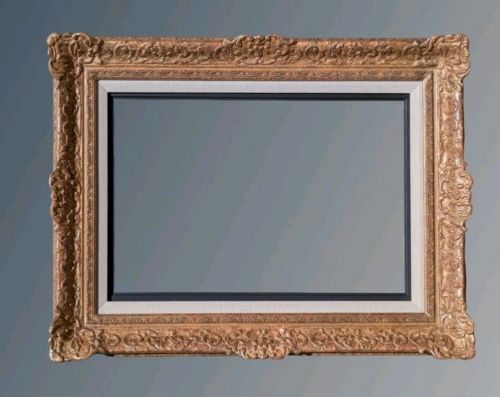
When you search for an ornate swept frame painting, you encounter works spanning from the Georgian period through the nineteenth century to mid-century iterations. These objects range from standalone picture frames designed for oils to complete framed artworks, including pastoral landscapes and portraits.
The most common versions met on this page combine nineteenth-century oil paintings with elaborate giltwood or gesso surrounds. Mid-century Italian and French Montparnasse examples also appear frequently, alongside Victorian Rococo Revival pieces.
Buyers look for these combinations because the deeply curved, flowing borders provide a theatrical contrast to flat canvas edges. They suit spaces requiring traditional weight and rich surface gilding.
How they were made
Makers constructed the structural foundation from wood, building up complex scrollwork and cartouches using layers of gesso. This plaster mixture allowed artisans to carve and model high-relief details before applying the final metallic finish.
Gilding involved laying gold leaf over bole onto the prepared gesso base, creating the characteristic reflective shimmer. Canvases and panels received oil paint layers, secured within these heavy surrounds using traditional backing methods.
Listings feature works from the Georgian period through the nineteenth century to mid-century Italian workshops, encompassing oil paintings and pastel drawings.
What varies in quality
The crispness of the gesso moulding separates superior frames from simpler productions, as deeper relief and sharper scrollwork demand greater skill from the artisan. Crisp detailing ensures the light catches the curves cleanly.
The harmony between the painting and the frame dictates overall success, with period-matching oils seated in original giltwood housings holding greater cohesion than later assemblies. The depth of the gold leaf application also influences the richness of the visual presence.
Charles Hunt·Robert Eadie·William Miller Frazer·Jeffrey Pratt·John Holland Snr·Kenneth Washburn·Michael Scott
The Ornate Swept Frame Painting Glossary
- Gesso
- A mixture of plaster of Paris and glue used to coat wood frames before carving and gilding. It provides a smooth, absorbent base for intricate relief work.
- Giltwood
- Timber covered with gold leaf or gold paint to give the appearance of solid gold. This material defines the reflective surfaces of traditional ornate frames.
- Swept frame
- A picture frame characterised by its undulating, concave profile and deeply curved corners. This design creates a dynamic scroll effect popular in revival styles.
- Oil on canvas
- Pigment mixed with drying oil applied to a stretched woven fabric support. It remains the standard medium for historical paintings found in heavy decorative surrounds.
Ornate Swept Frame Painting: Frequently Asked Questions
How do I date an ornate swept frame?
Dating relies on examining the timber construction behind the gesso, the composition of the plaster itself, and the style of the oil painting contained within. Earlier nineteenth-century examples often display hand-carved wooden foundations beneath heavier gesso layers.
Later mid-century productions tend to use more uniform moulded compositions. Comparing the rabbit-skin glue and backing fixings also assists in placing the piece within periods like the Victorian era or the Georgian epoch.
Are these frames original to the paintings?
Many frames and paintings have travelled together since their creation, particularly when commissioned as a unified decorative statement. However, picture frames were frequently swapped over centuries to suit changing interior tastes.
A matched pairing shows harmonious wear between the canvas edges and the rabbet of the frame, alongside consistent signs of age across the gilt surfaces.
What is a Montparnasse frame?
A Montparnasse frame is a distinct style originating from the artist quarters of Paris during the early twentieth century. These frames typically feature simpler, stepped wooden profiles with subtle carved detailing rather than excessive Rococo scrollwork.
They offer a softer, more modernist interpretation of the swept frame concept while maintaining substantial wooden depth for oil paintings.