
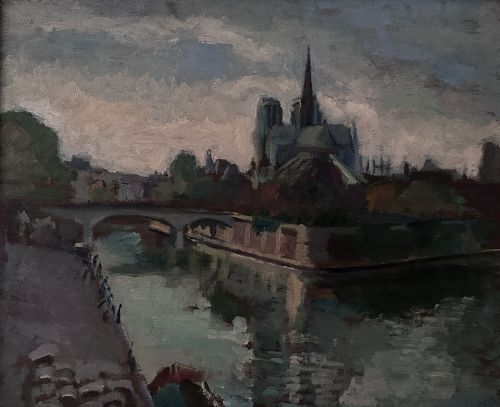
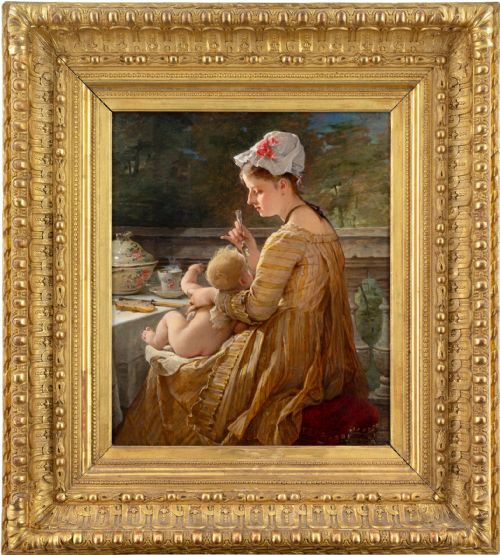
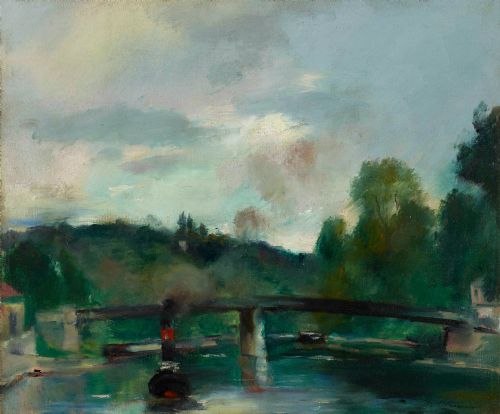
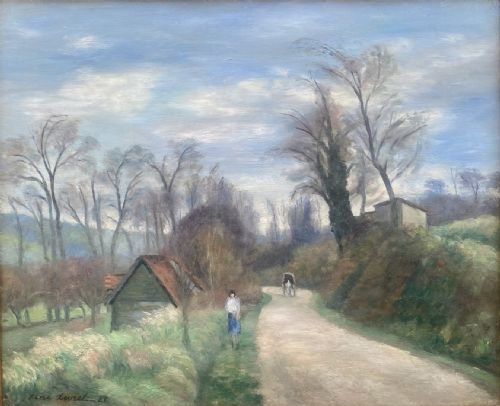

Original French Oil Painting
An original french oil painting brings the light and atmosphere of continental landscapes and interiors directly into a room.
Original French Oil Painting
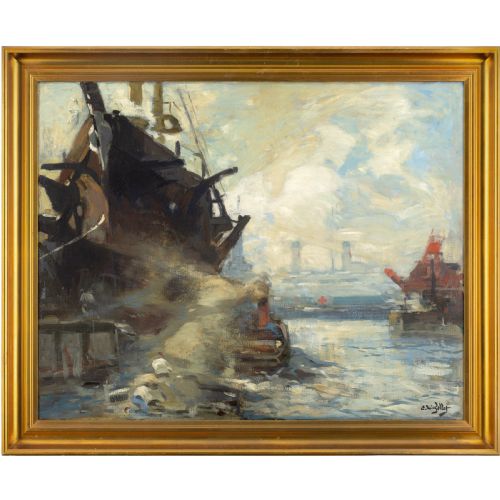
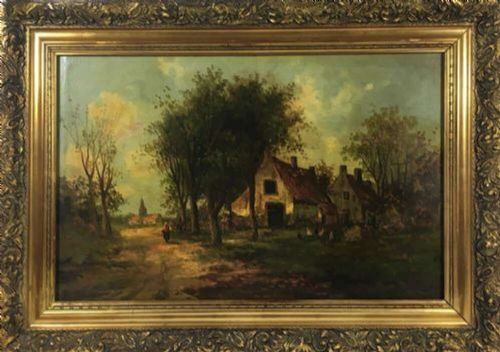
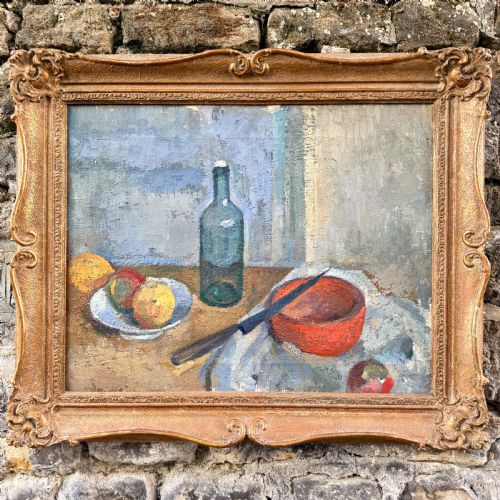
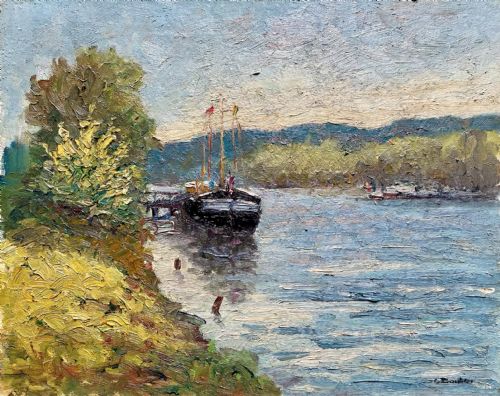
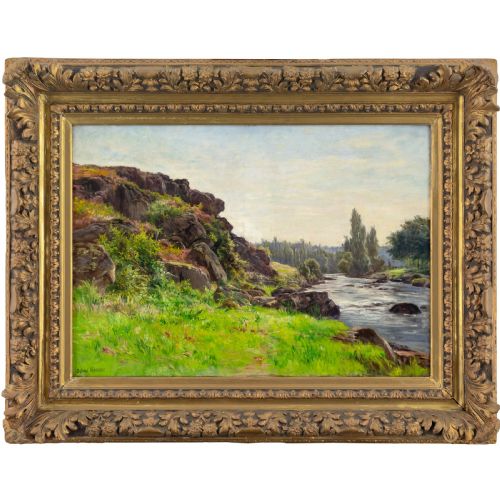
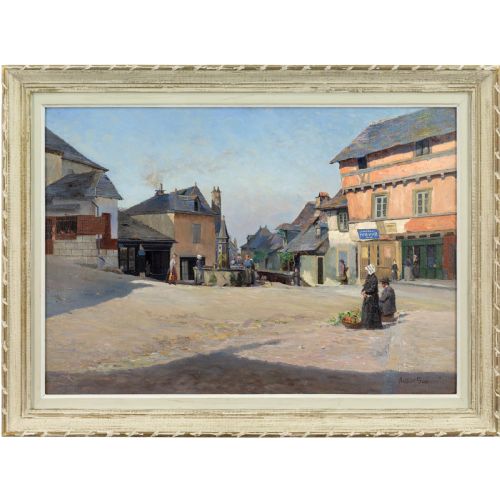
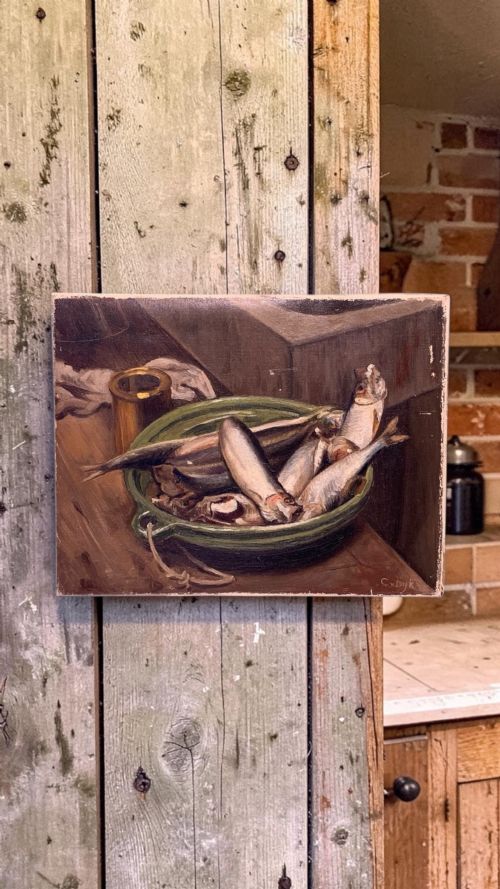
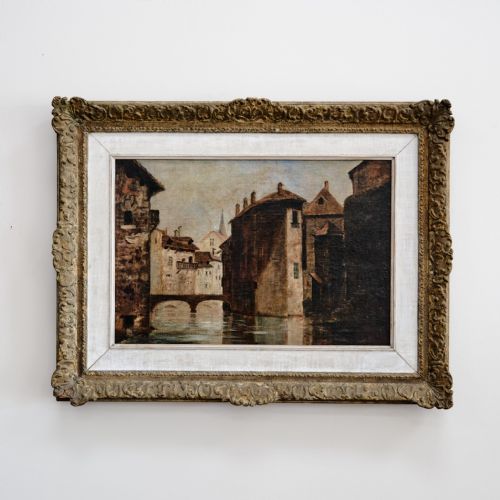
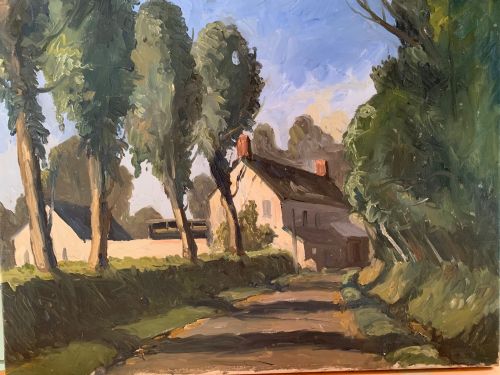
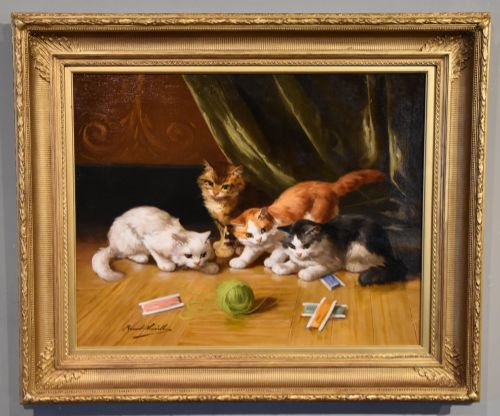
An original french oil painting encompasses works executed on canvas, wood panel, or board, ranging from pastoral scenes and river landscapes to figurative compositions and coastal views. These artworks capture subjects from Normandy, Brittany, and various provincial settings across more than two centuries of European artistic tradition.
The pieces available frequently draw upon French Impressionism, Post-Impressionism, and academic school traditions, reflecting the changing palettes and brushwork of their respective eras. Buyers encounter both signed works by known artists and pieces attributed to the broader French School.
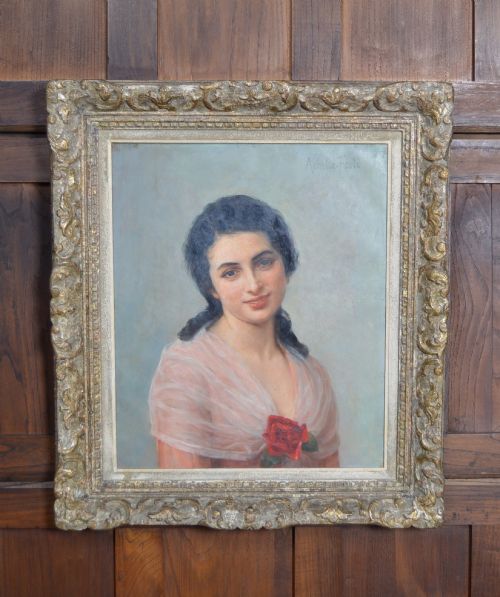
Subjects span tranquil riverbanks, rustic haystacks, wartime scenes, and intimate portraits, offering a tangible connection to European history and landscape painting. Each piece carries the distinct brushwork and physical texture of oil paint applied directly to its original support.
Materials and construction
Artists built these works primarily using oil paint applied to woven canvas stretched over timber frames, or directly onto prepared wooden panels and boards. Timber and metal elements often appear in the surrounding framing and structural supports of the artwork.
The technique relies upon the slow-drying properties of oil paint, allowing makers to layer rich pigments, build impasto texture, and blend tones across landscape and portrait subjects. Support panels of wood provide a rigid foundation, whilst stretched canvas offers flexibility and a traditional textured surface.
Original French Oil Painting Retail Price Guide 2026
Typical asking prices for original french oil painting among the pieces listed under this phrase on Sellingantiques today, from the lower quarter to the upper quarter. They describe what is for sale here now, not the wider market.
Several canvases quietly preserve the stubborn grit of French studio dust baked permanently into the ancient varnish.
Measures of quality
Quality rests in the handling of light, brushwork confidence, and the integrity of the original surface, where masterly application breathes life into a landscape or interior scene. Works that successfully capture atmospheric depth and specific regional character stand apart from more formulaic student or provincial exercises.
The condition of the paint layer and its primary support - whether canvas or timber panel - dictates the visual fidelity of the piece over time. Original framing, clear signatures, and well-preserved pigment vibrancy further distinguish the finest examples in the collection.
Paul-Jean Anderbouhr·Antoine Bouvard·Charles Désiré Hue·Charles Jean Agard
The Original French Oil Painting Glossary
- Post-Impressionism
- An art movement extending French Impressionism while rejecting its limitations, focusing on more symbolic content and vivid colours. Artists used heavier brushstrokes and distinct regional motifs.
- Impressionism
- A nineteenth-century painting style marked by relatively small, thin yet visible brush strokes and an emphasis on accurate depiction of light. It forms the foundation for many landscape and coastal works.
- Impasto
- The process or technique of laying on paint or pigment so that it stands out in relief from a canvas or panel. This adds tactile dimension to foliage, water, or fabric.
- Panel
- A rigid flat piece of wood used as a support for painting instead of stretched canvas. Wooden panels frequently feature in earlier nineteenth-century works.
Original French Oil Painting: Frequently Asked Questions
How do I hang a heavy framed oil painting safely?
Secure the hanging wire or D-rings directly into wall studs using appropriate wall anchors rated for the combined weight of the timber frame and canvas. Ensure the hanging height places the centre of the artwork at eye level for optimal viewing.
Avoid placing oil paintings in areas subject to direct sunlight or dramatic humidity fluctuations, as these environmental factors can damage both the wooden stretcher and the oil pigments over time.
How do I identify the period of an oil painting?
Examine the reverse of the canvas, stretcher bars, or wooden panel for old dealer labels, handwritten inscriptions, stamps, and the type of fasteners used. The style of the frame, prep work on the canvas, and signature formats also offer strong chronological indicators.
Comparing the brushwork technique and subject matter against documented periods helps narrow down the decade of creation. Materials such as specific wood panels often correspond to distinct nineteenth-century manufacturing practices.
What is the difference between canvas and panel paintings?
Canvas paintings utilise a flexible woven textile stretched over a wooden frame, providing a characteristic spring and textile grain beneath the paint. Panel paintings use a solid piece of timber, offering a rigid, completely smooth or subtly grained foundation.
Panels tend to appear more frequently in earlier nineteenth-century works and smaller formats, whilst large landscapes commonly employ stretched canvas. Both mediums require careful climate control to prevent warping or canvas slackening.