





Original Framed Oil Artwork
Original framed oil artwork brings texture, depth, and character to a room through genuine hand-painted surfaces.
Identifying original framed oil artwork
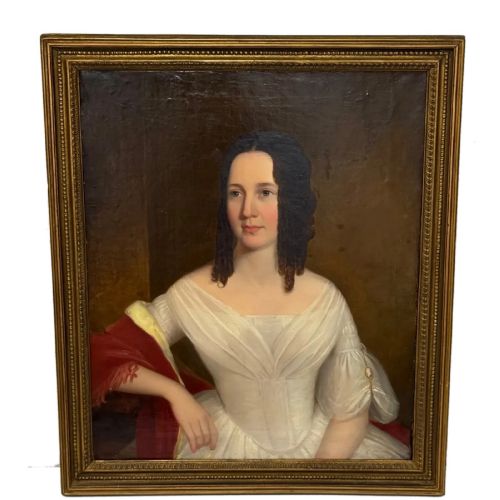
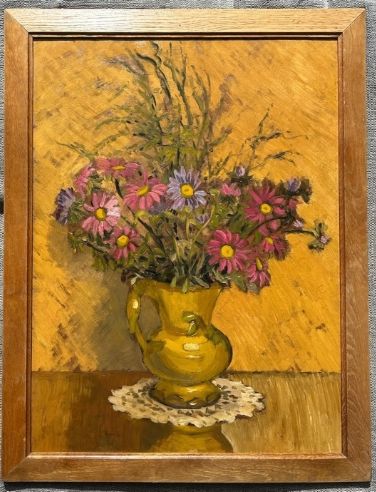
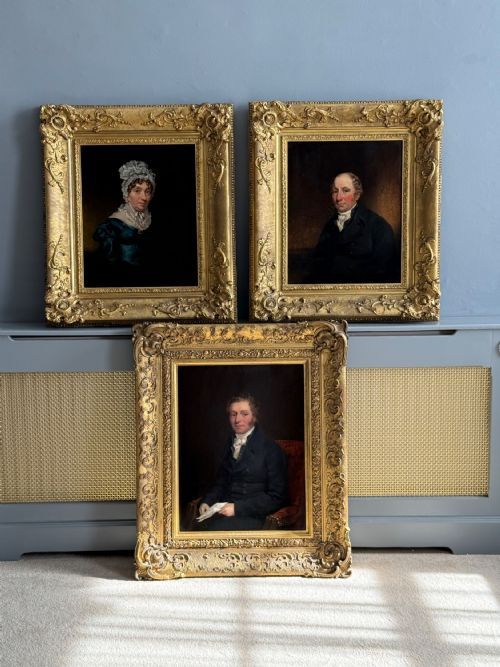
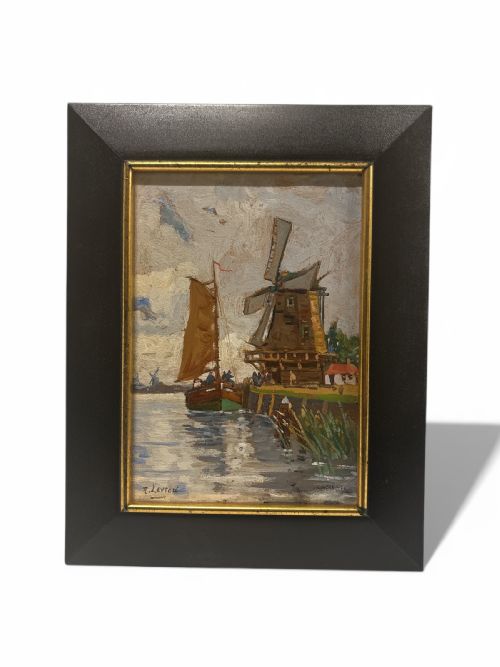
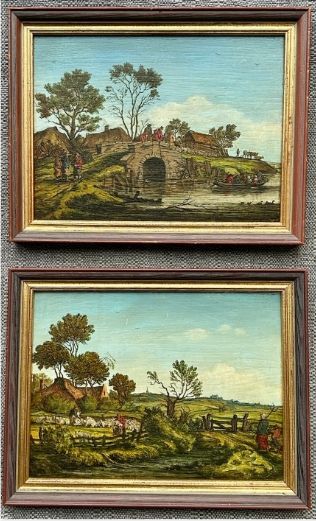
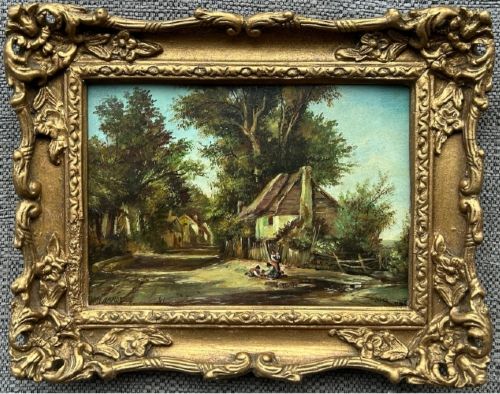
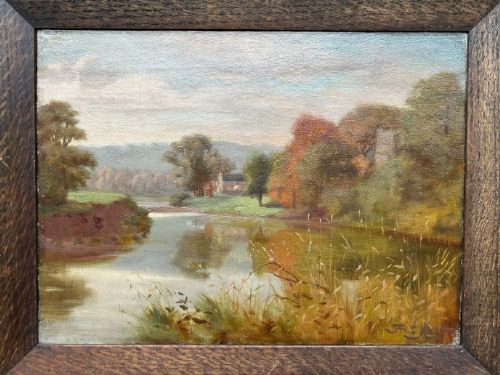
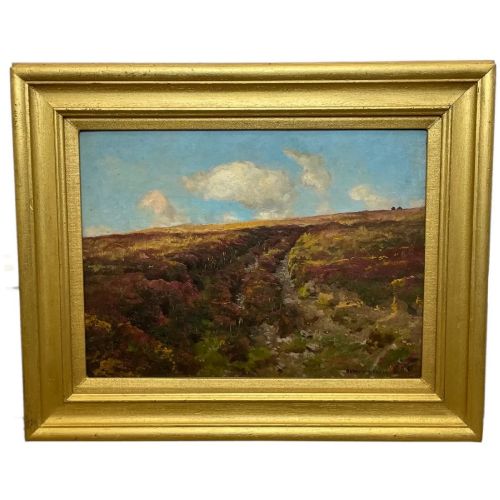
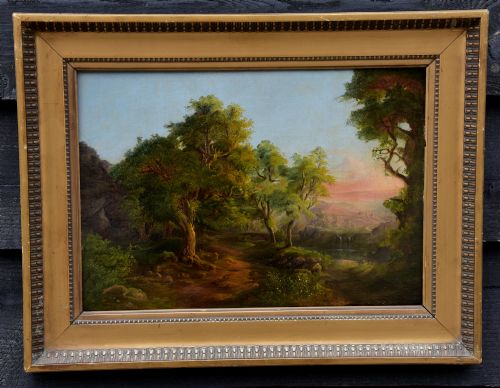
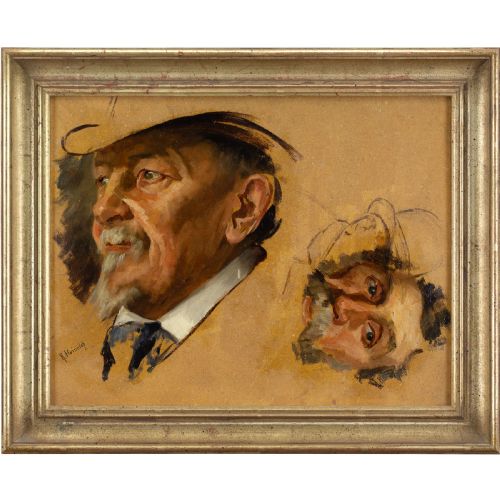
Makers and subjects range widely, including landscape oil painting scenes of woodland areas at sunset, harbour views, and river bridges. Portraiture also appears, represented by impasto techniques that build up tangible layers of oil paint upon canvas or hardboard.
The physical framing forms an integral part of these pieces, often finished in gilt or constructed from solid wood to complement the era of the painting. Each object reflects the distinct hand of its creator, from British impressionism to mid-century modernist explorations.
Materials and construction
These works rely on traditional supports such as stretched canvas and oil on board or hardboard, providing a stable foundation for the oil paint. Artists apply pigments using varied brushwork, sometimes employing heavy impasto to create raised textures that catch the light.
The frames utilise wood construction, frequently enhanced with gilt finishes that frame the painted surface. Materials interact directly with age, showing the natural patina of mid-century and earlier craftsmanship.
Retail Price Guide 2026
Typical UK retail prices for original framed oil artwork, calculated from the Sellingantiques database of over a million retail prices indexed since 2003. This retail price guide relies exclusively on Sellingantiques data; no external sources or auction records are used, so the figures do not describe the wider market.
Several artists recorded here lived active lives spanning the entirety of the twentieth century, painting harbours and rivers while the world changed around their easels.
Judging quality and execution
Quality rests in the sureness of the brushwork and the harmony between the painted composition and its wooden frame. Superior examples demonstrate confident handling of light, particularly in landscape oil painting where atmospheric depth is difficult to sustain.
The relationship between the artist's technique, such as impasto application, and the preservation of the canvas or board dictates the overall strength of the piece. Lesser works lack this cohesion, whereas accomplished pieces reveal a distinct command of medium and surface.
Mark Ingram·Christine Nesbit·Donald McIntyre·David Watts·James Fry·Gudrun Sibbons·John Falconar Slater·Sir David Murray
The Original Framed Oil Artwork Glossary
- Impasto
- Paint applied thickly to a canvas or board, standing out in relief from the surface so that the marks of the brush or palette knife remain visible.
- Gilt
- A thin layer of gold leaf or gilt paint applied to wooden frames to provide a decorative metallic finish.
- Hardboard
- An engineered wood product utilised as a rigid painting support in place of traditional stretched canvas.
- Board
- A flat, rigid substrate of wood or wood-pulp composition used by artists for oil painting.
- Canvas
- Heavy woven fabric stretched across a wooden frame to serve as a foundation for oil paint.
Frequently Asked Questions
How do I hang a heavy oil painting?
Ensure your wall fixings match the weight of the solid wood and gilt framing. Utilise picture hooks rated well above the mass of the artwork.
Position the centre of the painting at eye level to create a balanced focal point in the room.
How do I clean an oil painting?
Dust the surface gently with a soft, dry brush to remove loose particles without disturbing the oil paint. Avoid using water or liquid cleaners on the canvas.
Consult a professional conservator if deeper cleaning is required to preserve the integrity of the paint layers.
What is impasto?
Impasto involves applying oil paint in thick layers that stand proud of the canvas. This technique adds literal dimension and texture to the artwork.
Artists use it to catch natural light across brushstrokes, enhancing the sense of movement within the composition.
How do I date an oil painting?
Examine the materials, noting whether the artist used stretched canvas, board, or hardboard. Frame construction and stylistic markers like mid-century modernist or Victorian landscape trends offer further clues.
Signatures, inscriptions on the reverse, and artist lifespan dates help narrow down the period of creation.