
Original Floral Artwork
Original floral artwork brings botanical studies and still life scenes into domestic interiors through oil paint, watercolour, and canvas.
Original Floral Artwork
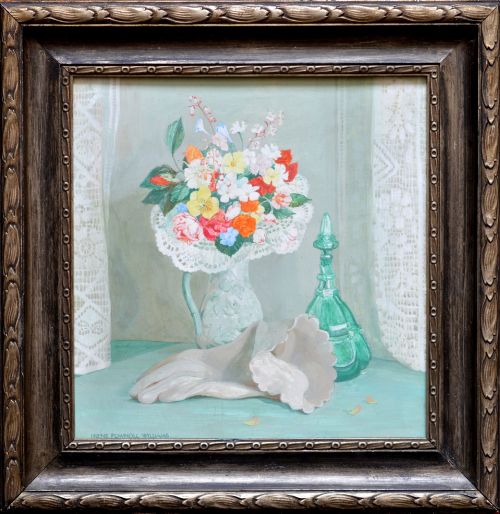
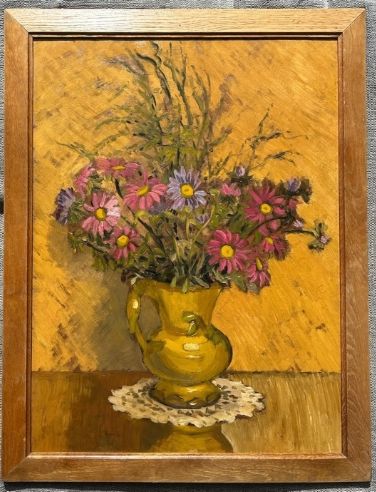
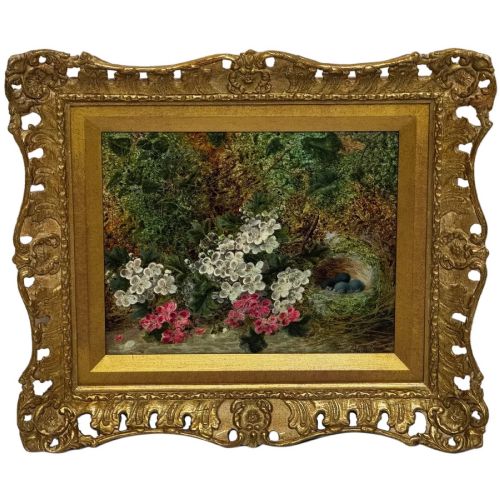
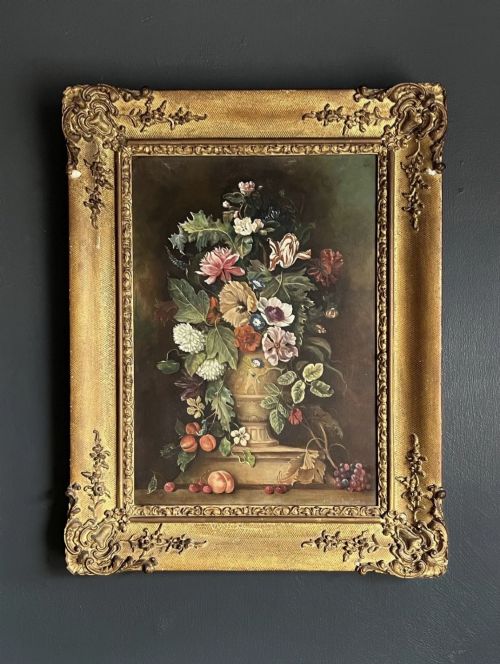
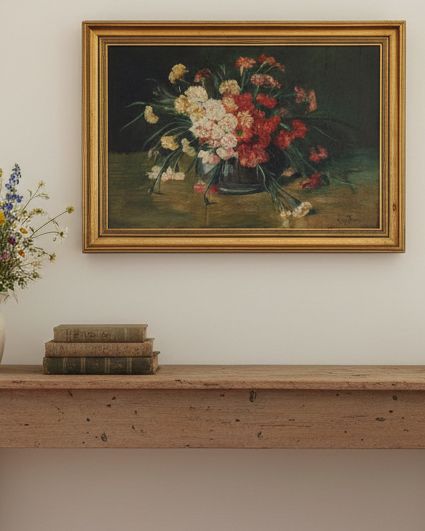
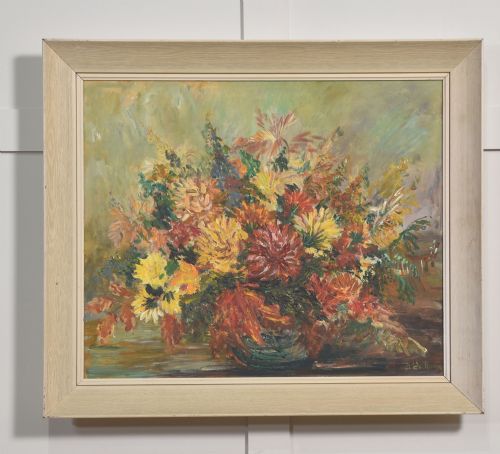
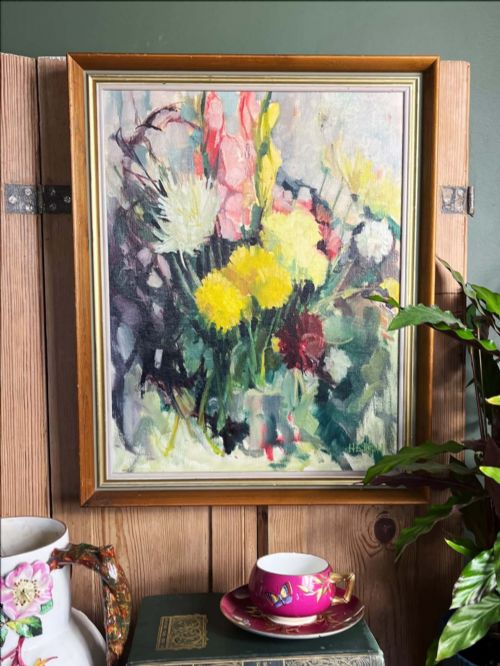
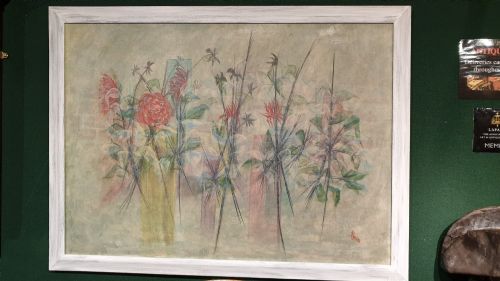
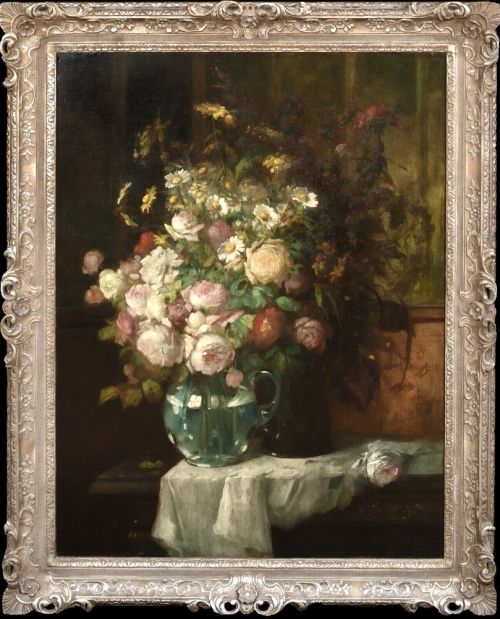
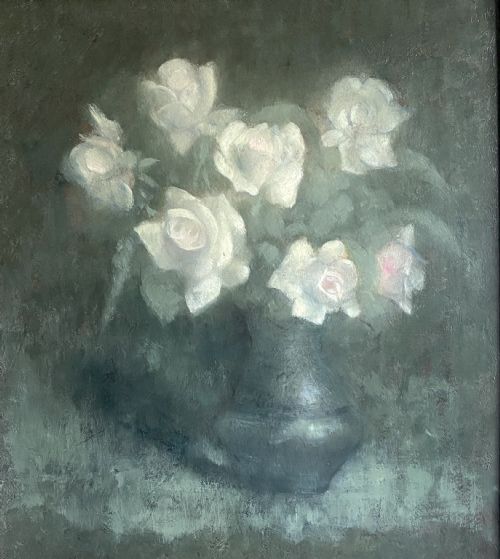
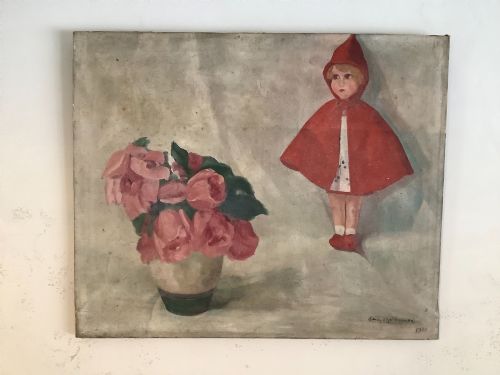
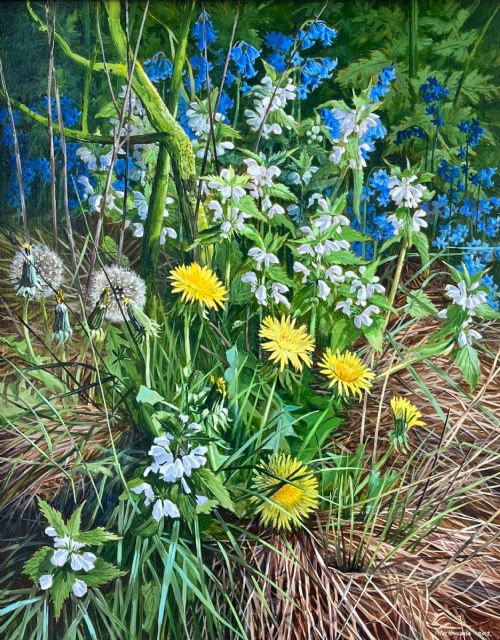
Original floral artwork encompasses hand-painted depictions of flowers, gardens, and botanical still life subjects created across the nineteenth and twentieth centuries. These pieces range from detailed nineteenth-century watercolours to mid-century impressionist oil paintings on canvas and board.
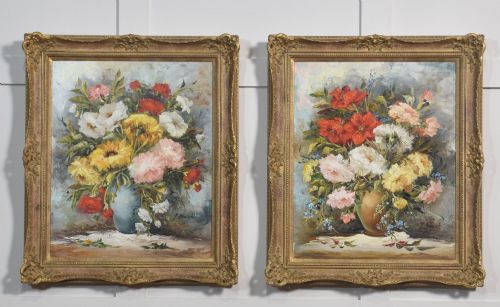
Buyers encountering this selection will find domestic still lifes featuring cut flowers in vases, garden views, and delicate botanical studies. The inventory spans Victorian and Edwardian pieces through to mid-century modern and impressionist interpretations from British, French, Belgian, and Austrian artists.
Materials and Methods
Artists painted these works primarily using oil paint or watercolour applied to canvas, wood panels, heavy paper, or board. Oil formulations allowed for rich texture and blending, particularly evident in pieces utilising impasto or layered glazes within gilt frames.
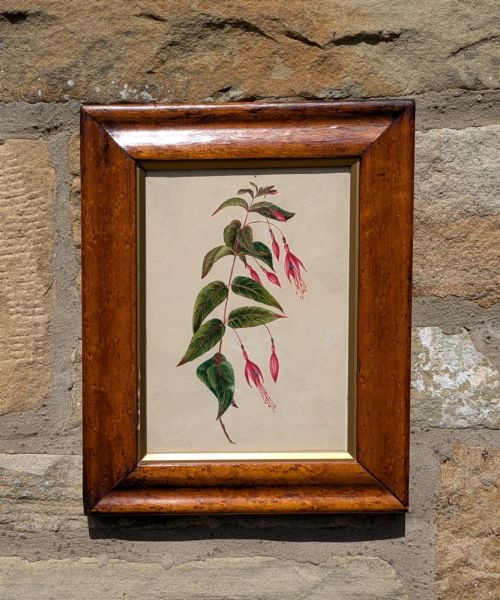
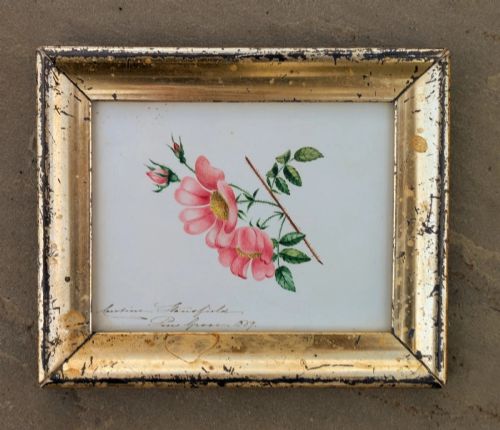
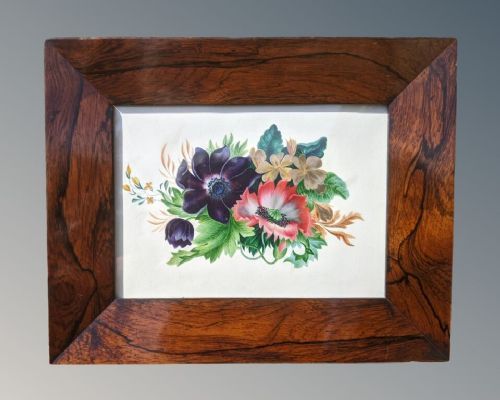
Watercolour works relied on fluid application on paper, capturing fine botanical details in subjects such as fuschias, wild roses, and rudbeckias. Many surviving examples retain their period mountings, glass protection, and gilt gesso frames.
Original Floral Artwork Retail Price Guide 2026
Typical asking prices for original floral artwork among the pieces listed under this phrase on Sellingantiques today, from the lower quarter to the upper quarter. They describe what is for sale here now, not the wider market.
Listings span the nineteenth century through to the nineteen-sixties, featuring canvases, wood panels, and paper supports.
Assessing Quality and Execution
Quality in these paintings rests upon the confidence of the brushwork, compositional balance, and the artist's handling of light and colour within the floral arrangement. Stronger pieces display deliberate tonal contrast and structural depth rather than rigid botanical illustration.
The integrity of the primary support, the preservation of the pigment, and the appropriateness of the framing further distinguish finer examples from standard decorative works.
Oliver Clare·James Tower·Owen Bowen·William Thomas Wood·Konstantin Stoitzner
The Original Floral Artwork Glossary
- Still life
- An artwork depicting inanimate subject matter, typically featuring natural objects such as cut flowers, fruit, and vessels. These compositions focus on the arrangement of form, light, and colour.
- Impressionism
- A style of painting emphasising unblended brush strokes and the shifting qualities of light rather than precise detail. This approach appears frequently in mid-century floral pieces.
- Gesso
- A plaster-like binder applied to wood or canvas surfaces to prepare them for painting, or used to mould decorative details on antique frames. Gilt gesso frames feature a gold leaf finish over this base layer.
- Tempera
- A permanent, fast-drying painting medium consisting of coloured pigments mixed with a water-soluble binder, commonly egg yolk. It produces a flat, matte surface with subtle luminosity.
- Provenance
- The documented history and ownership trail of an artwork. Clear provenance assists in verifying the attribution and age of nineteenth and twentieth-century paintings.
Original Floral Artwork: Frequently Asked Questions
How do I date an antique floral painting?
Dating relies on stylistic clues, the framing technique, materials, and any signatures or inscriptions on the reverse of the canvas or panel. Nineteenth-century works often feature distinct paper types and mounting styles compared to mid-century pieces.
Examining the stretcher bars, nails, and artist signatures helps narrow down the period of creation to specific decades like the eighteen-eighties or nineteen-thirties.
What is the difference between oil and watercolour floral pieces?
Oil paintings utilise pigment suspended in drying oils applied to canvas, wood, or board, offering a textured surface and deep colour saturation. Watercolours use water-soluble pigments on paper, creating a more luminous and translucent finish.
Oils generally require rigid supports and protective framing without direct glass contact, whereas watercolours need glazing to protect the delicate paper from moisture and dust.
How should I frame and display these artworks?
Display these paintings away from direct sunlight and excessive humidity to protect vulnerable watercolours and oil pigments from fading or cracking. Period frames, particularly gilt gesso examples, complement the historic character of nineteenth and early twentieth-century pieces.
Ensure that oil paintings on canvas are not pressed directly against glass, allowing the surface paint to breathe and preventing moisture accumulation.
What distinguishes impressionist floral art from traditional botanical studies?
Traditional botanical art prioritises scientific accuracy, precise lines, and meticulous detail in recording plant species. Impressionist floral art focuses on light, loose brushwork, and atmospheric mood.
Pieces from the impressionist and post-impressionist periods capture the overall visual impression of flowers in an interior rather than acting as strict botanical reference guides.