
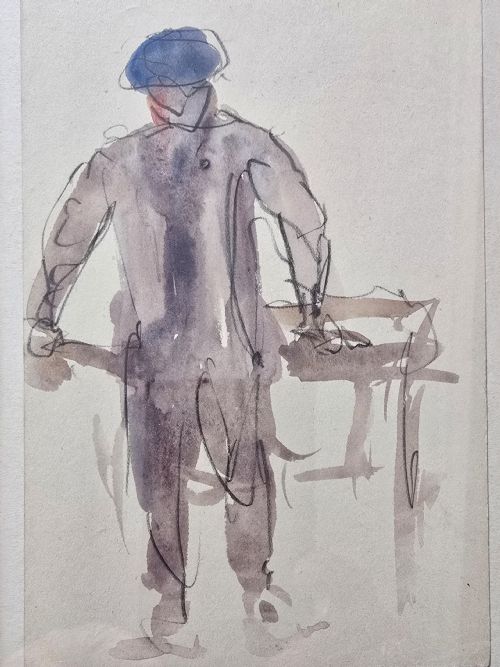

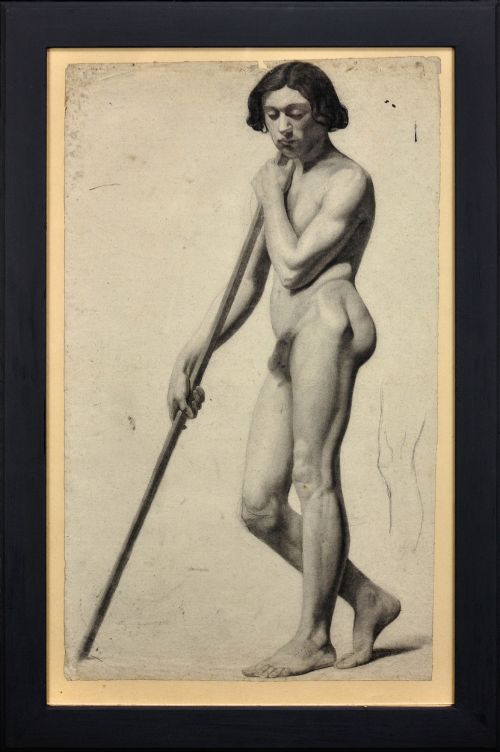


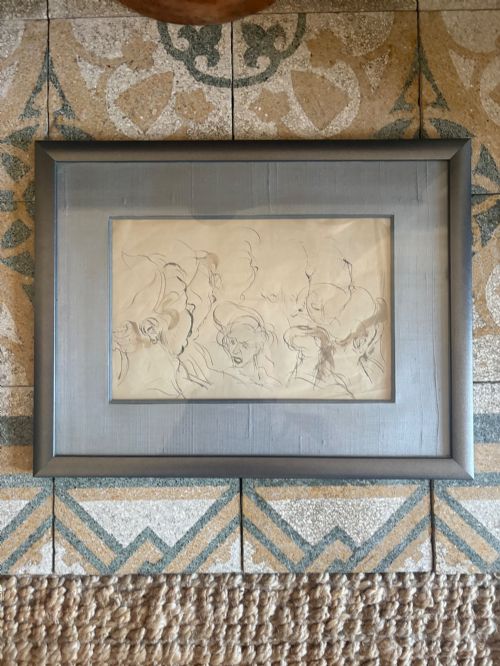


Original Figure Drawing
An original figure drawing captures the human form directly from life, offering intimate glimpses into academic discipline and artistic expression across centuries.
Original Figure Drawing
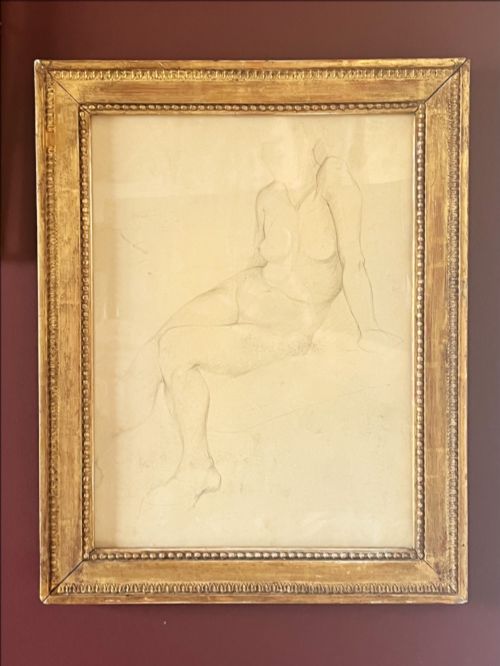
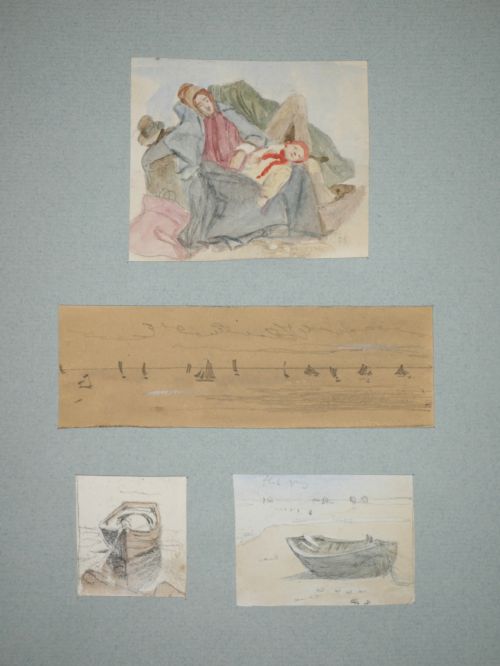
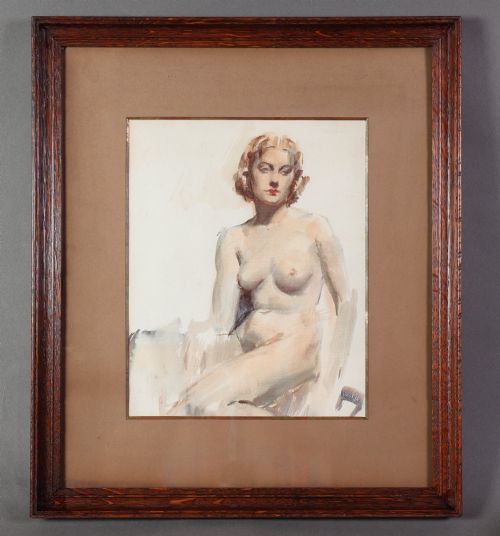
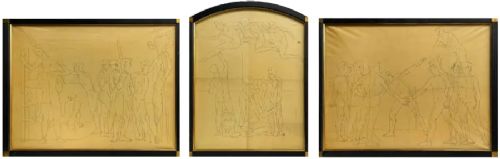
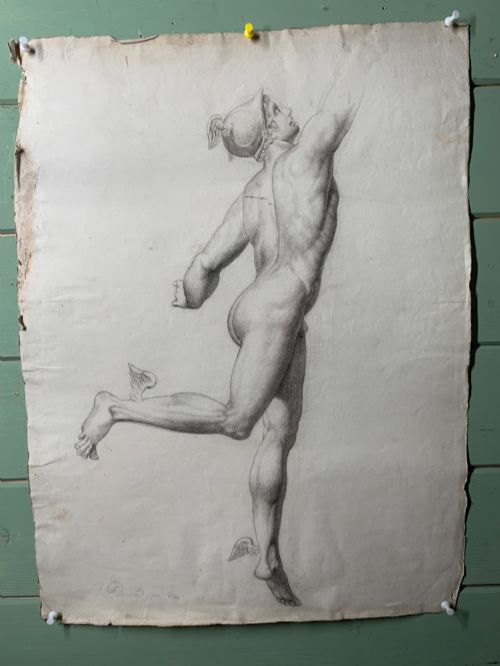
An original figure drawing encompasses works on paper ranging from rigorous academic life studies of nude models to rapid preparatory sketches of everyday people. These pieces span from the eighteenth century through the Victorian period and into the mid-twentieth century, recording the shifting priorities of European, British, and international schools.
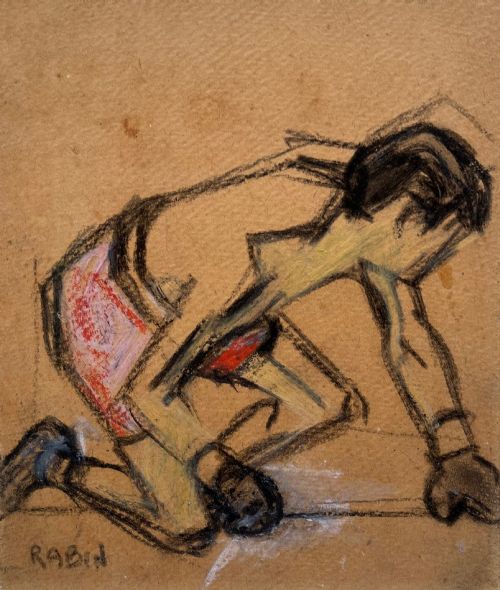
The selections encountered here most frequently include nineteenth-century graphite and ink studies alongside twentieth-century charcoal nudes and modernist character portraits. Buyers find both anonymous student pieces from traditional art academies and signed works by listed artists working in various regional styles.
How They Were Made
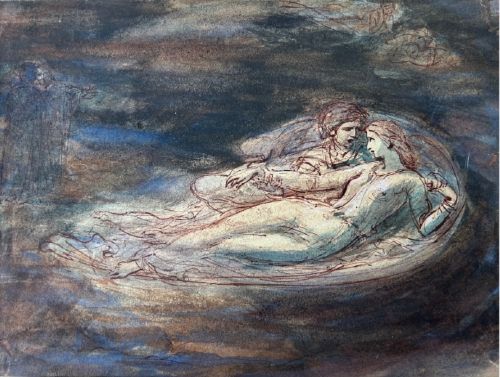
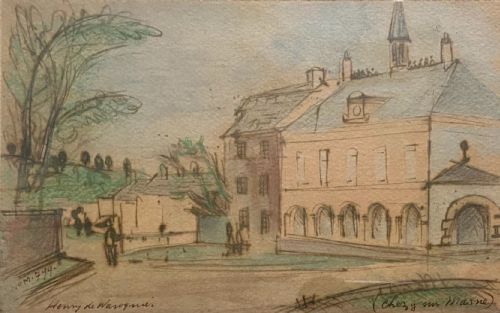
Draftsmen utilised basic materials such as graphite, charcoal, chalk, and ink applied directly to paper supports, occasionally incorporating watercolour or wash for tonal depth. These mediums permitted rapid gesture capture as well as meticulous hatching and shading to build anatomical form.
Many surviving examples originated as studio life studies or preparatory sketches for larger painted compositions. Artists worked in frames or mounted sheets, preserving the immediate touch of pencil or brush without the barrier of mechanical reproduction.
Artists occasionally reused paper surfaces, leaving faint traces of earlier sketches lurking quietly beneath the final seated nude.
What Varies In Quality
Draftsmanship skill dictates the fundamental merit of each sheet, distinguishing confident anatomical understanding and expressive line work from hesitant or stiff proportioning. The strength of the composition and the artist's ability to convey weight, movement, and character determine the piece's success.
Context and documentation elevate certain drawings, particularly when an identifiable hand, a documented studio origin, or a known academic tradition accompanies the work. The preservation state of the paper and the integrity of early mounts or frames further influence the standing of any given piece.
James Smetham·Henry de Waroquier·Michael Healy·Augustus John·Henry Arthur Roberts·Alfred Dehodencq·Demetrios Galanis·William Edward Frost·Robert Richard Scanlan·Lucien Freud·John Hoppner·Frank Dobson·Jacob Kramer·William Evans of Bristol·David Wilkie
The Original Figure Drawing Glossary
- Life study
- A drawing executed directly from a live model, often in an academy or studio setting. These sheets record the foundational training of artists mastering human anatomy and proportion.
- Preparatory study
- A preliminary sketch made by an artist to plan elements of a more complex finished painting or sculpture. Such works reveal the initial compositional thought process.
- Wash
- A diluted application of ink or watercolour used to establish broad tonal areas and shadows behind linear linework. It adds atmospheric depth to monochrome drawings.
- Academic realism
- A style of painting and drawing produced under the influence of European academies of art, prioritising accurate perspective, anatomical precision, and classical subject matter.
- Works on paper
- A collective category encompassing drawings, watercolours, prints, and pastels created on a paper support. This medium requires specific conservation care regarding light exposure.
Original Figure Drawing: Frequently Asked Questions
What is an academic life study?
An academic life study is a detailed drawing of a human model produced within a formal art school or studio setting. These exercises formed the core training regimen for artists learning anatomy.
Such drawings focus on accurate proportions, musculature, and lighting rather than finished narrative content. They frequently display the stamp or hand of specific teaching institutions.
How do charcoal and graphite drawings differ?
Charcoal produces deep, velvety blacks and allows for sweeping gestural marks and easy smudging. It yields softer, more atmospheric contours well suited to expressive figure work.
Graphite provides finer lines, controlled shading, and crisper tonal gradations. Drawings in pencil often emphasise precise line work and structural detail over bold shadow.
Why are some figure drawings attributed to schools?
Works assigned to a specific school reflect the prevailing stylistic methods and regional training practices of a particular period and country. When a signature is absent, stylistic markers help place the piece.
These attributions connect anonymous student or workshop output to broader historical art movements. They provide geographical and chronological context for unsigned sheets.
How should antique works on paper be framed?
Antique drawings require conservation-grade mounting materials that prevent acid transfer from backing boards to the paper. Window mounts keep the fragile sheet from directly touching the glass.
Displaying these pieces away from direct sunlight protects vulnerable pigments and papers from fading. UV-filtering glazing helps preserve charcoal, ink, and watercolour over time.