
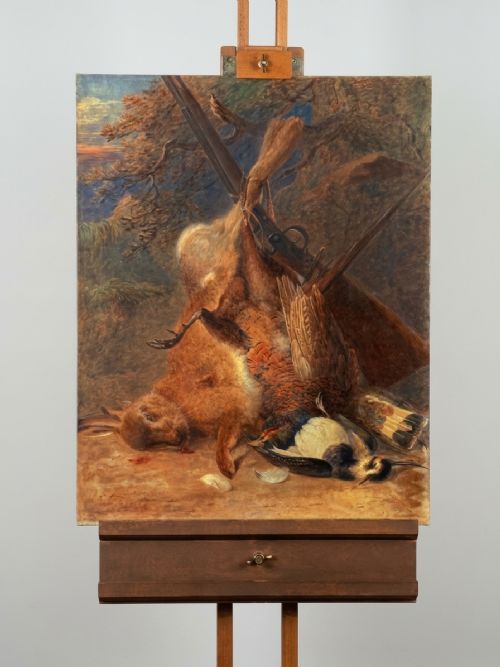


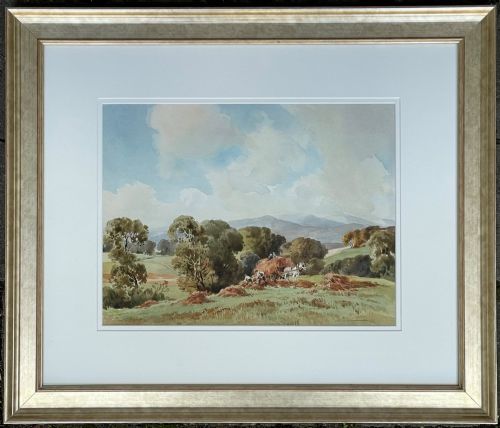
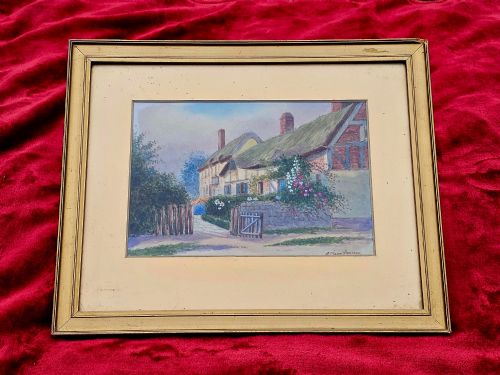
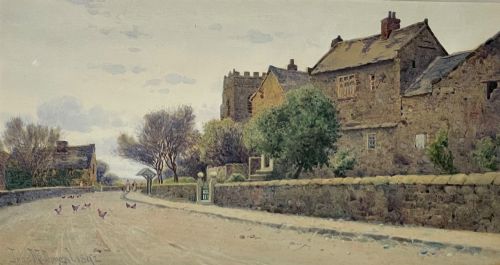

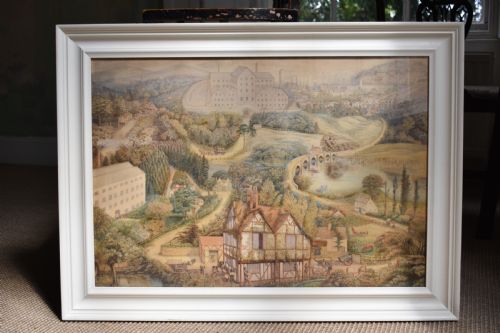
Original English Watercolour Painting
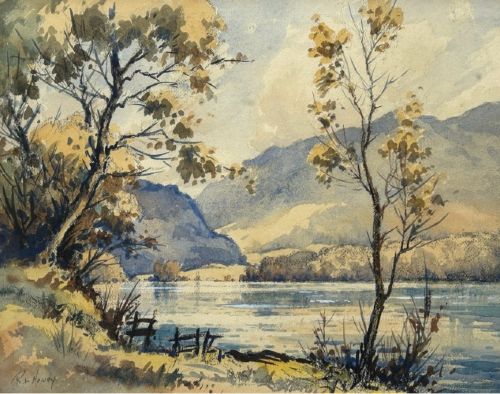
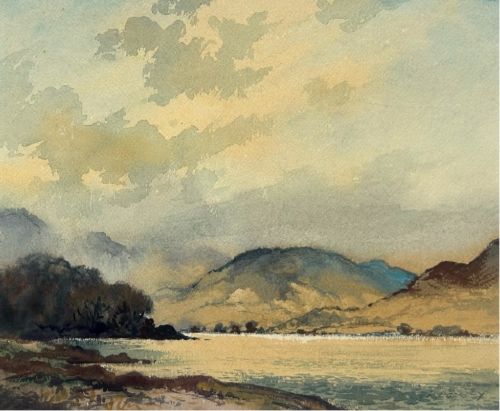
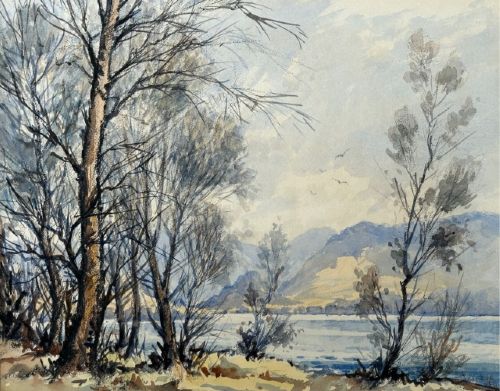
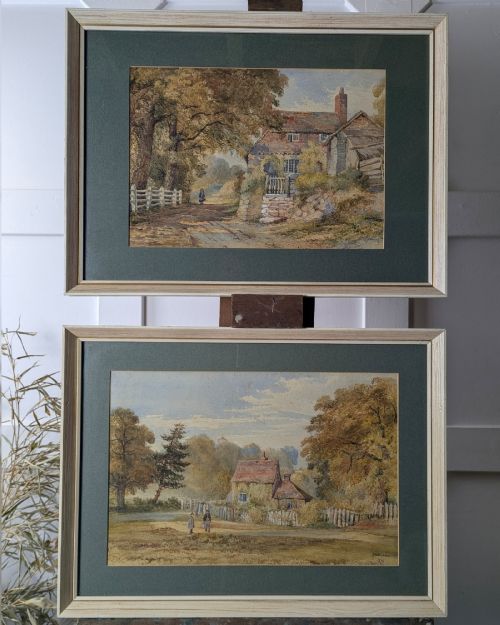
Original english watercolour painting works capture landscapes, coastal scenes, and domestic studies through delicate washes that bring historic British countryside into modern rooms.
Original English Watercolour Painting
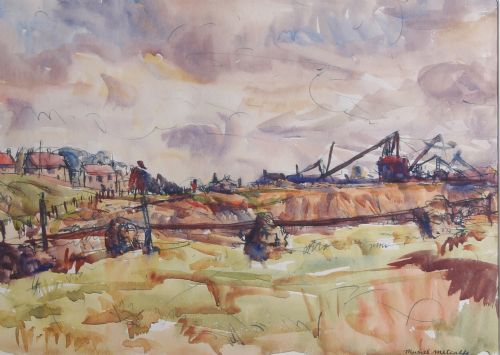
When searching for original english watercolour painting, buyers encounter works spanning the Victorian era through the mid-twentieth century. These pieces record pastoral views, coastal harbours, and quiet village streets created by regional artists.
How they were made
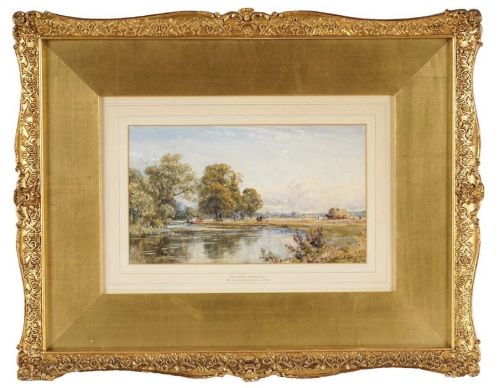
Artists applied watercolour pigment suspended in water onto heavy paper sheets, sometimes combining bodycolour for opaque highlights. Works were frequently finished behind glass within gilt wood or simple timber frames.
Techniques relied on transparent washes built up gradually to capture atmospheric light, shifting weather, and topographical detail across rural and maritime subjects.
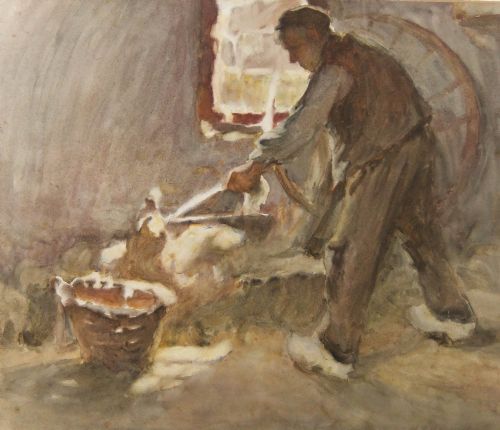
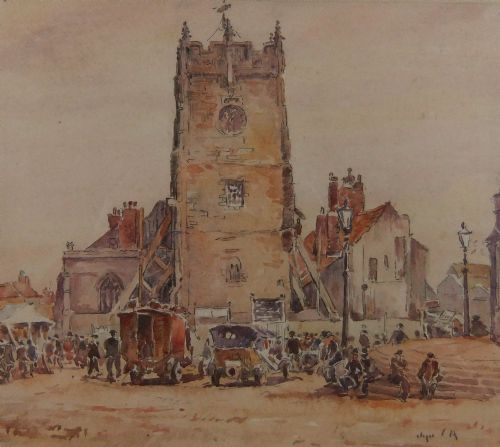
Several paintings record curious encounters with roaming sheep, working blacksmiths, and gypsy caravans across the British countryside.
What varies in quality
Quality rests upon the artist's draughtsmanship, compositional balance, and ability to capture natural light without overworking the pigment. Superior examples demonstrate confident brushwork and tonal depth that hold the viewer's eye.
Condition also plays a part, distinguishing pieces with vibrant, unfaded pigments from those damaged by damp or harsh light exposure over decades.
George Sydney Shepherd·James Orrock·Percy Lancaster·Robert Leslie Howey·John Sherrin
The Original English Watercolour Painting Glossary
- Bodycolour
- Watercolour paint mixed with a white pigment to make it opaque, used by artists to create solid highlights and dense areas of colour.
- Topographical
- Depicting specific real-world locations, buildings, or landscapes with accurate geographical detail.
- Wash
- A thin, fluid layer of watercolour pigment spread evenly across paper to create skies, water, or background atmosphere.
- Gilt wood
- Timber frames finished with a thin layer of gold leaf or metallic gilt paint, common in Victorian presentation.
Original English Watercolour Painting: Frequently Asked Questions
How should I hang watercolour?
Hang paintings away from direct sunlight to prevent the delicate pigments from fading over time.
Keep them in rooms with stable humidity levels to protect the paper and wooden framing.
How do I date a painting?
Examine the artist's active working dates, costume details in figures, and framing styles characteristic of specific decades.
Signatures, inscriptions on the reverse, and period paper watermarks also help narrow down the creation date.
Are these works unique?
Every piece listed is a hand-painted original created directly by the artist rather than a mechanical reproduction.
Artists painted single-edition landscapes and still lifes en plein air or finished them within their studios.
What subjects are most common?
Rural landscapes, river valleys, and coastal fishing ports dominate the surviving works from this period.
Artists also frequently recorded local architecture, agricultural labour, and domestic garden scenes.