




Original Canvas Wall Art
Original canvas wall art brings character and depth to a room through painted surfaces built up by hand.
What original canvas wall art is
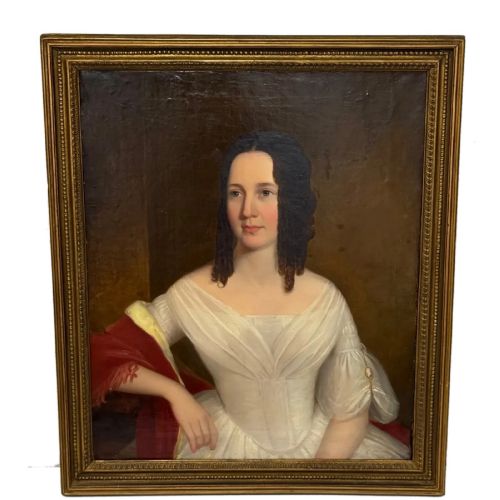
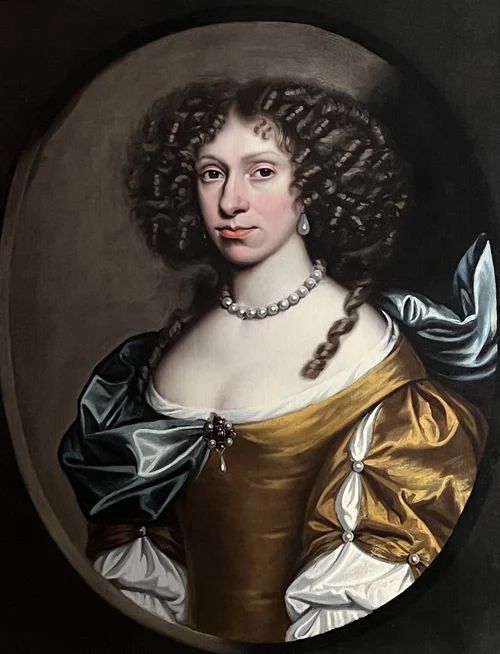
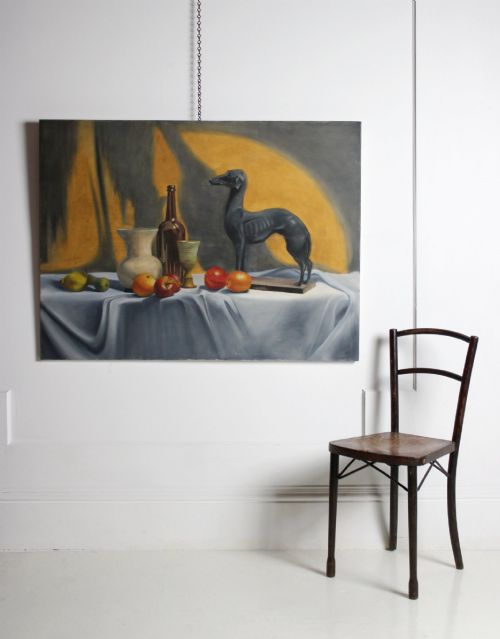
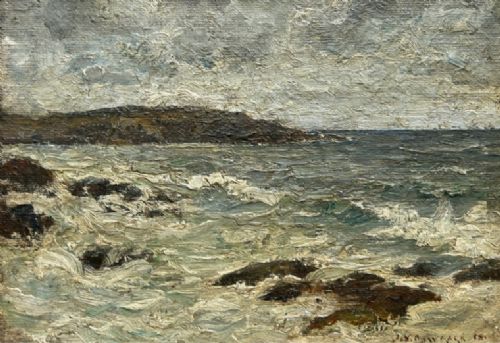
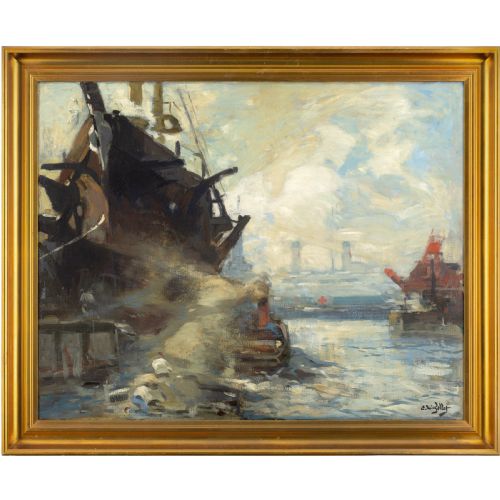
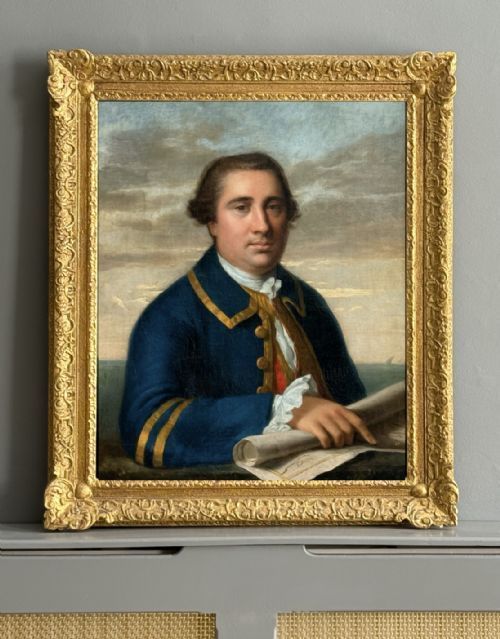
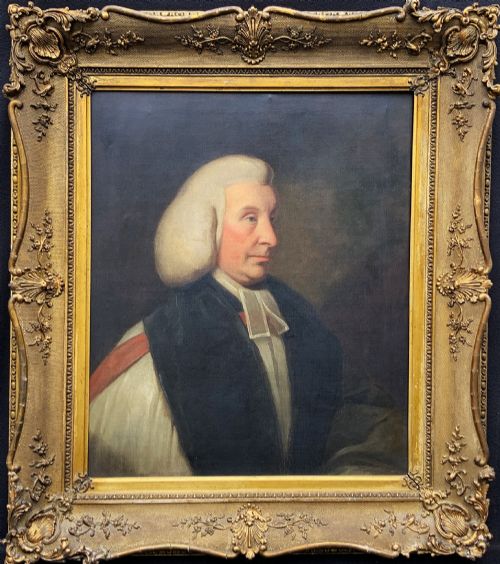
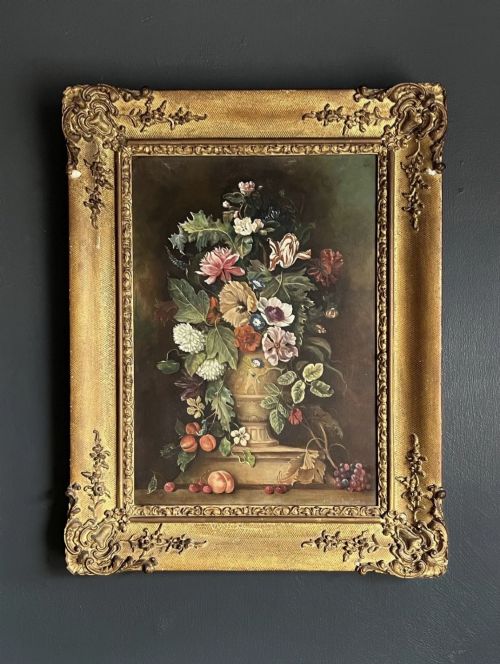
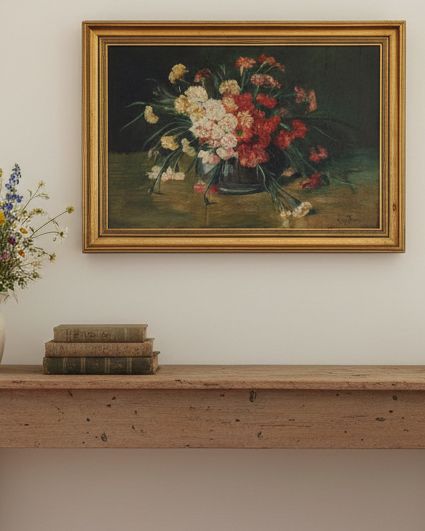
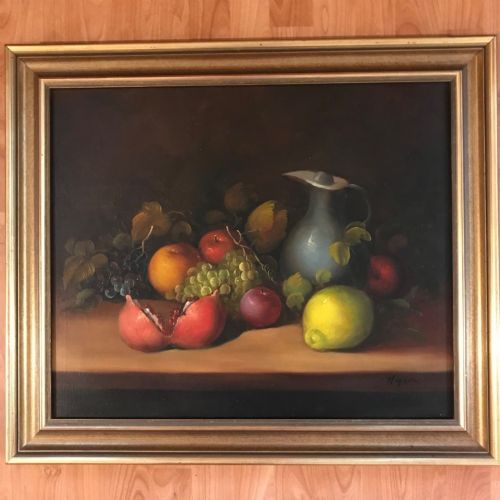
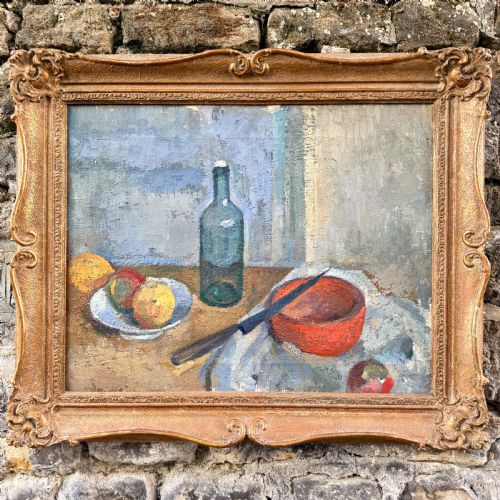
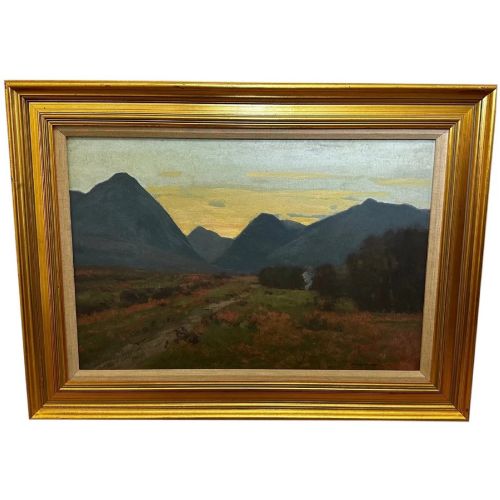
Original canvas wall art consists of painted compositions created directly on textile grounds, capturing historical moments and artistic movements across different eras. When browsing original canvas wall art, a buyer encounters works spanning the nineteenth century through to the mid-twentieth century.
The selections include rural landscapes, intimate portraits, expressive still lifes and figurative scenes. Mid-century expressionism and Victorian pastoral styles appear frequently among these pieces.
Works originate from British, French and wider European contexts, reflecting distinct regional approaches to oil painting. Each canvas records the specific palette and handling characteristic of its period.
How they were made
These works employ oil paint applied to woven canvas stretched over wooden supports. Pigments are layered to create texture, depth and luminous colour variations across the composition.
Many pieces retain their original gilded wood or plain wooden frames, which protect the edges of the canvas and complete the presentation. The interaction between the oil medium and the textile base allows the paint surface to endure across generations.
Retail Price Guide 2026
Typical UK retail prices for original canvas wall art, calculated from the Sellingantiques database of over a million retail prices indexed since 2003. This retail price guide relies exclusively on Sellingantiques data; no external sources or auction records are used, so the figures do not describe the wider market.
Listings feature oil paintings on canvas spanning the nineteenth century through the 1950s and 1960s, framed in wood and gilded wood.
What varies in quality
Quality in these works rests upon the confidence of the brushwork and the clarity of the composition. Stronger pieces demonstrate a assured command of light, tone and proportion that brings subjects to life.
Provenance and documented attribution elevate certain works, connecting specific canvases to established artists and documented exhibitions. The preservation of the original paint surface and the harmony of the framing also influence the standing of an individual piece.
David Bates·Gabriel Dauchot·Baruch Shalom Oskotsky·Francis Wall
The Original Canvas Wall Art Glossary
- Oil on Canvas
- A painting technique where pigmented oil paint is applied to a woven canvas support. This combination allows for rich blending and textured impasto effects.
- Impressionism
- An artistic style focusing on accurate depiction of light and its shifting qualities. British and French variations of this approach emphasise loose brushwork and everyday subject matter.
- Provenance
- The documented history of ownership of a work of art. A strong provenance confirms the authenticity and exhibition history of a painting.
- Gilded Wood
- Wood treated with gold leaf or metallic gilt paint, commonly used for period picture frames. It enhances the visual boundary of the artwork.
Frequently Asked Questions
How do I hang a canvas safely?
Support the weight using appropriate wall fixings suited to the construction of your wall and the heft of the wooden frame. Ensure the hanging wire or brackets are securely attached to the sturdy parts of the frame.
Keep the canvas away from direct heat sources and strong sunlight to protect the oil paint and canvas fibres from environmental stress.
How do I clean an oil painting?
Dust the surface very gently with a soft, dry artist's brush to remove loose particles without disturbing the paint layer. Avoid using water, household cleaners or damp cloths on the canvas.
Professional conservation is required for deeper cleaning or removal of aged varnish to prevent damage to the original pigments.
How do I date a canvas?
Examine the stretcher frame, nails or staples, and the weave of the canvas for clues to the manufacturing period. Stylistic markers and artist signatures also provide reliable chronological indicators.
Inscribed titles or old gallery labels on the reverse often record the precise year or era of creation.