





Original British Artwork
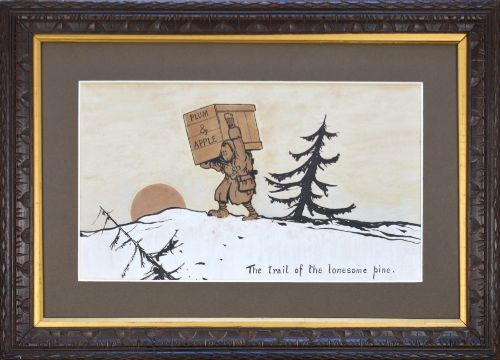
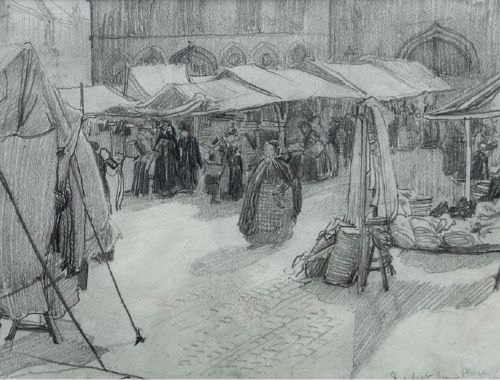
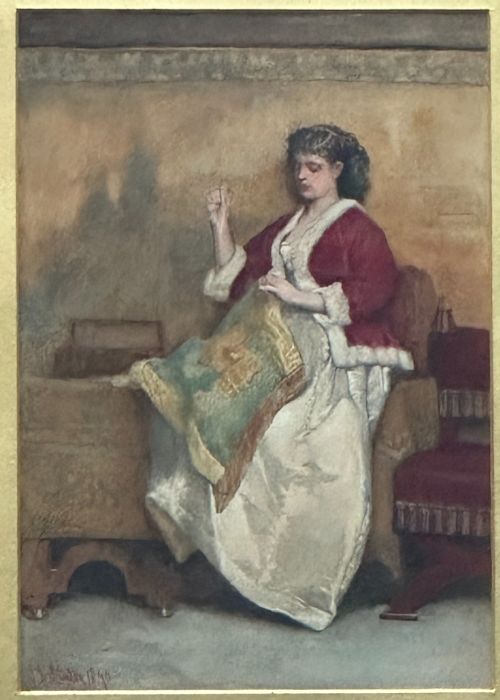
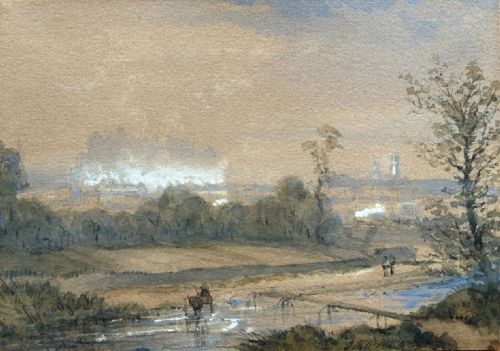
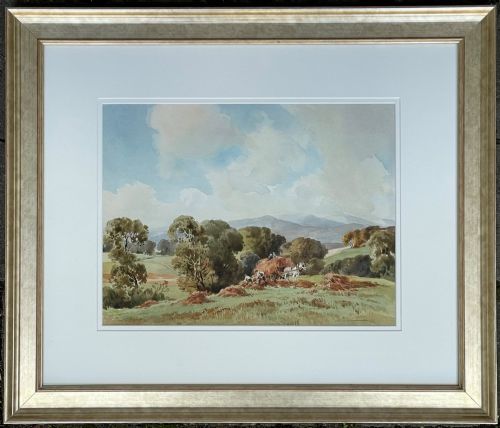
Original british artwork brings together hand-painted watercolours, oils, and drawings spanning from the nineteenth century through the mid-twentieth century.
Original British Artwork
Original british artwork encompasses paintings, drawings, and watercolours produced across the nineteenth and twentieth centuries by domestic artists. Buyers searching this phrase encounter landscapes, maritime scenes, and portraits created during periods ranging from the Victorian era through to mid-century modern movements.
The selections on this page lean heavily towards traditional mediums on paper, canvas, and board. Works span diverse regional subjects, including Scottish highlands, Cumbrian lakes, and coastal Cornish views executed by listed painters.
Examples frequently display academic training typical of Royal Academy participants alongside impressionistic approaches. Pieces range from intimate pencil sketches to large framed oil paintings suitable for prominent wall display.
Materials and Techniques
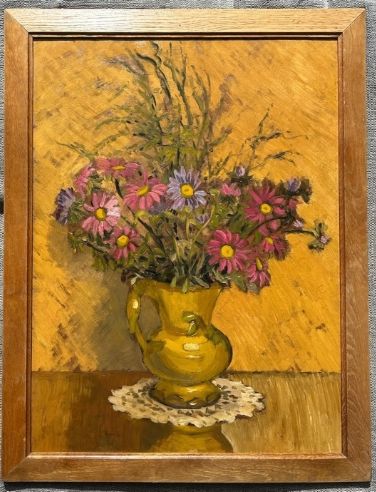
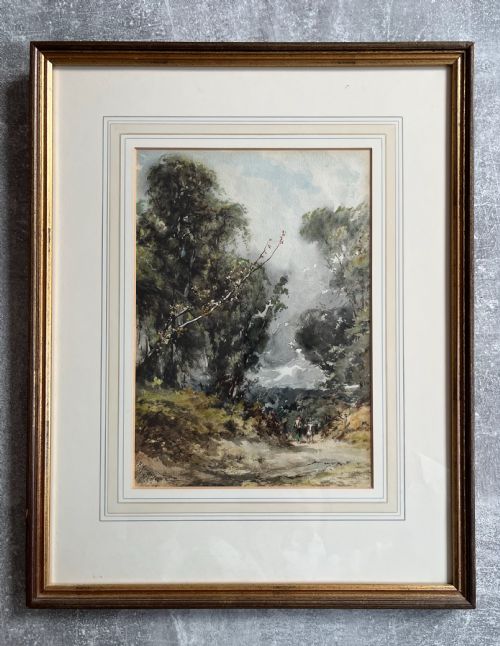
Artists built these compositions utilising oil paint on canvas, wood panel, or board, allowing for rich textures and impasto applications. Watercolour on paper served as a primary medium for fluid landscapes, often augmented with pencil or ink underdrawing.
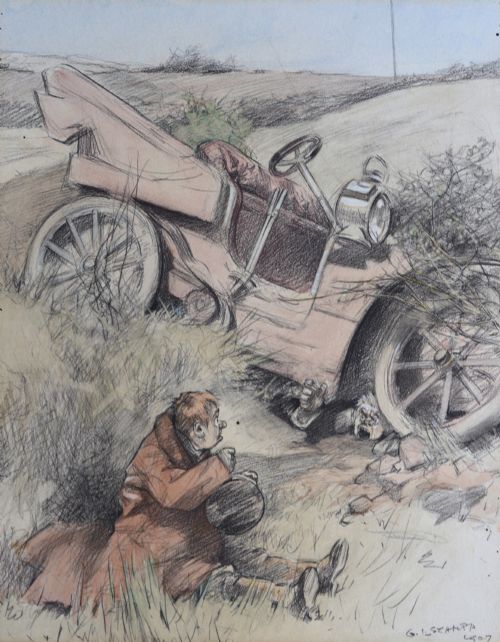
Supports include prepared canvas stretched over wooden frames, sturdy wooden panels, and heavy-weight artist paper. Pastels and charcoal also appear, capturing immediate tonal shifts in portraits and architectural studies.
Listings feature works from the 19th Century, Edwardian period, and mid-20th Century, executed in oil, watercolour, and pencil.
Assessing Quality
The strength of a composition depends on the artist's handling of light, brushwork confidence, and atmospheric depth. Superior examples demonstrate a secure command of perspective and colour harmony rather than mere technical neatness.
Condition plays a part in the overall standard, distinguishing works retaining their original vibrancy from those affected by heavy fading, foxing, or unrecorded restoration. The prominence of the subject matter and a clear provenance also elevate individual pieces.
Kenneth Cozens·George Lorain Stampa·George Fotherly Hargitt·James Orrock·Henry Percy Huggill·Sir James Dromgole Linton·John R Prentice·William H Myers·Tom Campbell·Alfred Young Nutt·Clifford Hanney·Percy Lancaster·William Howard Hardy·Frederick Marriott·Arthur Wardle·James Smetham·Bruce Bairnsfather·John Horace Hooper·A Mitchell·William Joseph Shayer Senior·John McDougal·Alfred Fontville de Breanski Jr·Sidney A Court·EJ Letheren·Oliver Clare
The Original British Artwork Glossary
- Impasto
- Paint applied thickly to a canvas or board so that it stands proud of the surface. This technique preserves the physical gesture of the brush.
- Provenance
- The documented history of ownership surrounding an artwork. It establishes authenticity and traces the journey of a painting from the studio onwards.
- Watercolour
- A painting method where fine pigment is suspended in a water-soluble binder. Paper provides the luminous white ground that shines through thin washes.
- En plein air
- The practice of painting outdoors directly from the subject. Artists using this method capture fleeting natural light and weather conditions.
Original British Artwork: Frequently Asked Questions
How do I care for antique watercolours?
Watercolours require careful placement away from direct sunlight to prevent the pigments from fading over time. Archival framing with acid-free mounts protects the paper from deterioration.
Keep these works in rooms with stable humidity levels to avoid warping the paper or encouraging mould growth. Glass frontages protect the delicate painted surface from dust and accidental touch.
Were these paintings always framed?
Most works received frames when first sold or exhibited, though many have been reframed over subsequent decades. Original frames often show period characteristics that complement the aesthetic of the artwork.
When buying, examine whether the frame suits the period of the painting. Some collectors prefer retaining antique frames for authenticity, even when minor chips are present.
How do I identify the period of a landscape?
Stylistic clues, such as the clothing of figures or the presence of specific architecture, frequently help date a landscape. Victorian and Edwardian works often favour more detailed topographical accuracy.
Later pieces from the twentieth century lean towards looser impressionistic brushwork and simplified forms. Signatures and dates written on the reverse or front provide the most direct confirmation.
What is the difference between oil on canvas and oil on board?
Canvas provides a flexible woven support that responds to wooden stretcher frames, offering a traditional textured ground. Board provides a rigid, solid foundation that resists punctures and requires less structural maintenance.
Artists often chose board for smaller plein air sketches because it was portable and durable. Canvas was typically reserved for larger studio works intended for major exhibitions.