
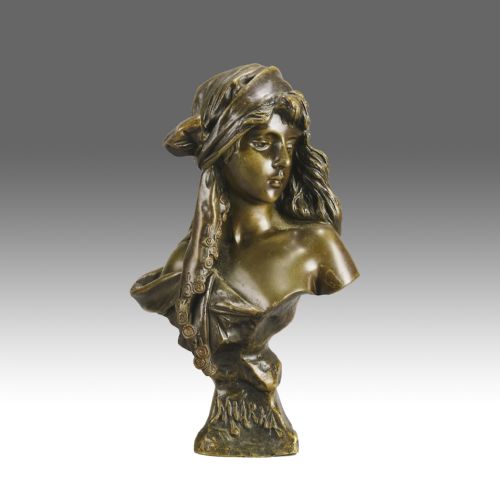
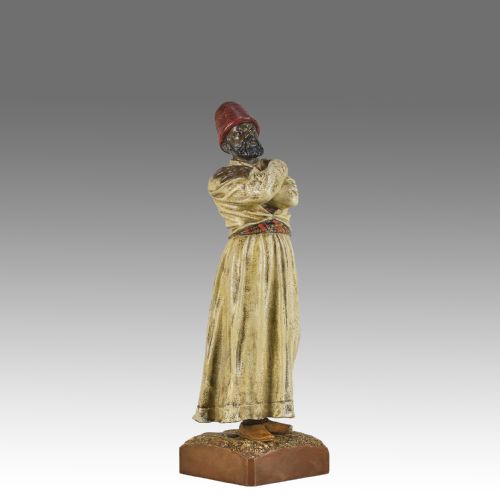
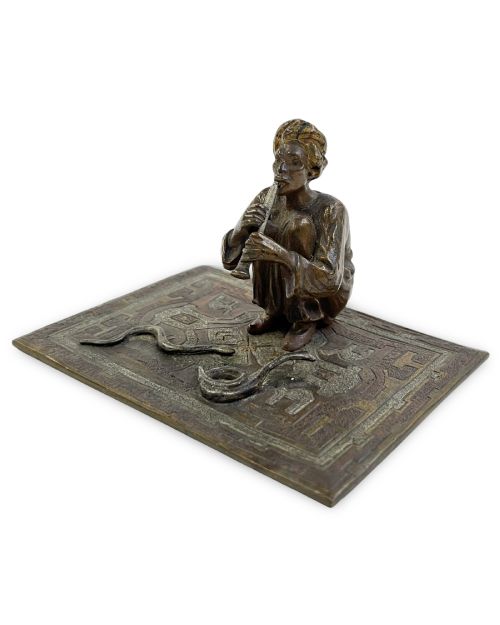
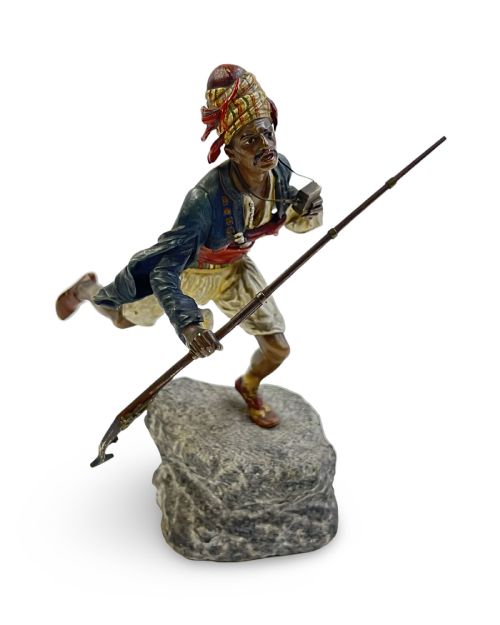



Orientalist Bronze Statue Figure
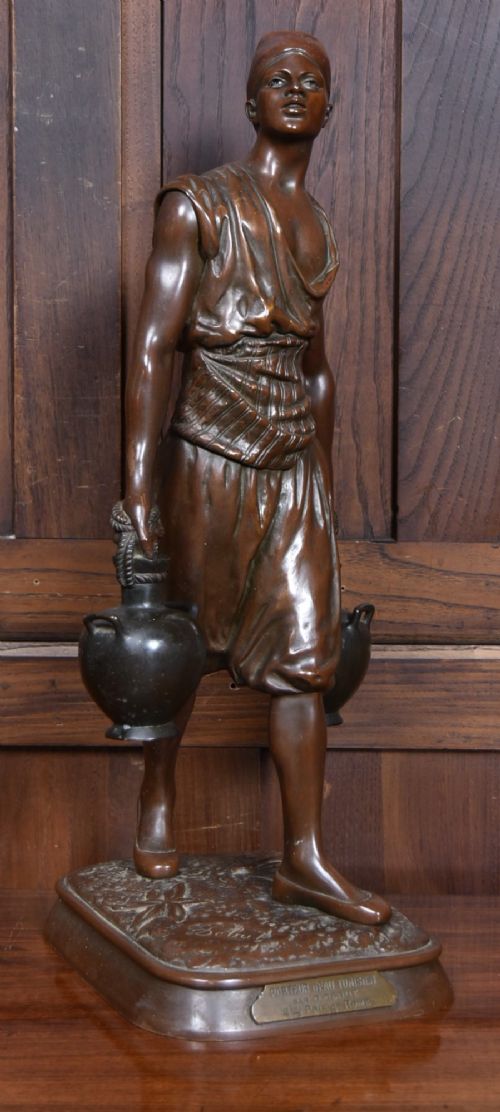
An orientalist bronze statue figure captures romanticised Near Eastern and North African subjects through the skilled work of nineteenth and early twentieth century European founders.

Orientalist Bronze Statue Figure
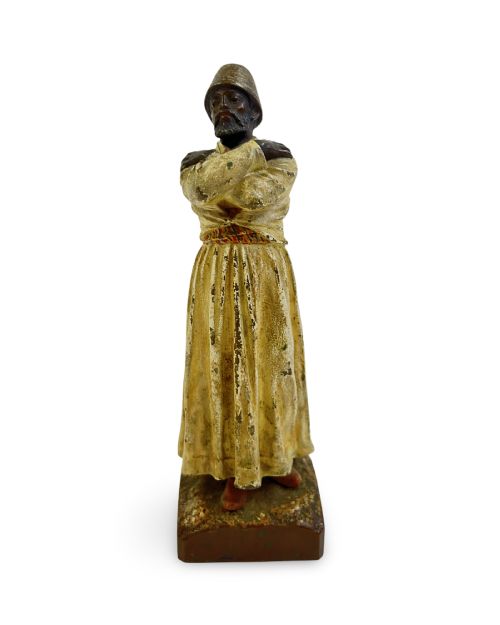
An orientalist bronze statue figure encompasses sculptural works depicting figures such as water carriers, snake charmers, warriors, and dancers from North African and Middle Eastern cultures. These pieces frequently emerge from nineteenth-century and early twentieth-century European foundries, reflecting an era's intense fascination with distant lands.
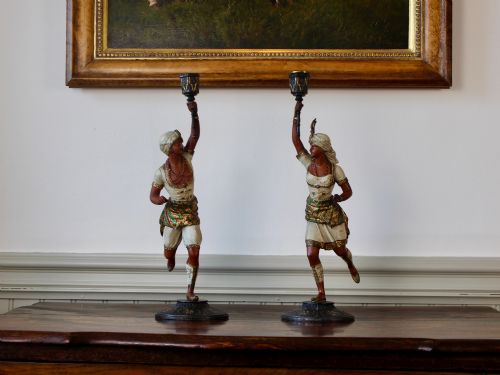
Buyers encounter various forms ranging from cabinet bronzes and table lamps to figural candlesticks and substantial library busts. The aesthetic spans multiple periods, connecting Victorian taste with Art Nouveau lines and Art Deco stylisation.
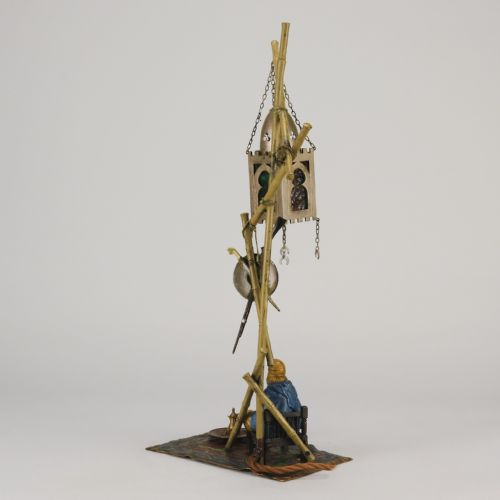
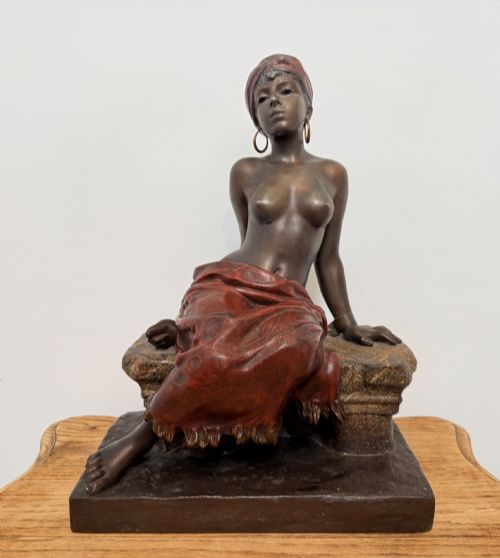
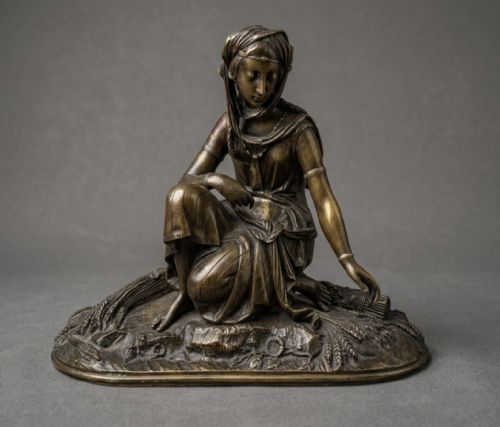
The dominant material expressions include patinated bronze and polychromed metal, alongside occasional terracotta and spelter alternatives. These sculptures often bear distinct signatures or foundry marks identifying their origin in French workshops or Viennese studios.
Materials and technique
The creation of these sculptures relies upon traditional lost-wax casting in bronze, allowing for precise detail in robes, weapons, and facial expressions. Founders finish these surfaces with patination or apply polychrome cold paint directly to the metal.
Certain works incorporate contrasting elements, pairing cast metal figures with carved marble bases or mounting them as functional objects like lamps and candlesticks. Alternative versions utilise painted terracotta or spelter as cost-effective mediums for the same Near Eastern subjects.
Several figures hide secret erotic scenes inside hinged sarcophagi or woven tent flaps.
Evaluating quality
Quality rests in the crispness of the casting and the sensitivity of the chasing work, which preserves fine details in costume and expression without smoothing them away. Superior pieces maintain complex multi-part assembly rather than relying on single solid pours.
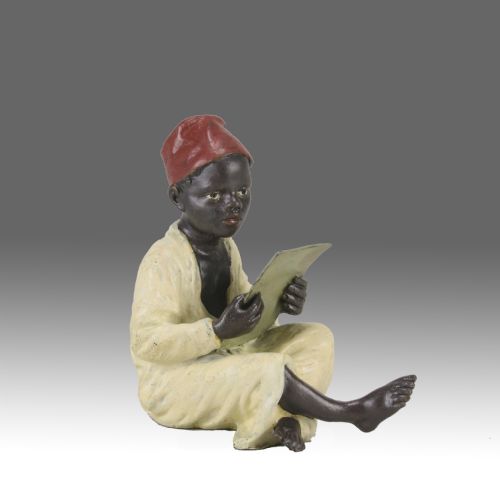
For cold-painted examples, the preservation and subtlety of the original polychrome surface dictate the standing of the work. Maker signatures and foundry stamps provide further distinction between standard studio output and premier artistic productions.
Franz Bergman·Emmanuel Villanis·Edouard Drouot·Alfred Dubucand·Arthur Waagen·Claire Colinet·Demetre Chiparus·Pierre Jules Mene
The Orientalist Bronze Statue Figure Glossary
- Cold-Painted Bronze
- A technique where paint is applied to a cured bronze object without subsequent firing, common in Viennese workshops. This method permits vibrant polychrome decoration on garments and skin.
- Spelter
- An alloy of zinc and copper used as an economical alternative to bronze in figural casting. It is softer and typically shows distinct patination or paint layers.
- Patination
- The chemical treatment applied to metal surfaces to produce controlled colour changes and ageing effects. It enhances the visual depth of drapery and musculature.
- Polychromed
- Decorated in multiple colours using paint or enamel applied over metal or terracotta. This finish emphasises ornamental textiles and facial details.
- Lost-Wax Casting
- A metalworking process where a molten metal is poured into a mould that has been created by means of a wax model. The wax is melted and drained away to leave the cavity for the bronze.
Orientalist Bronze Statue Figure: Frequently Asked Questions
What is an orientalist bronze?
An orientalist bronze is a nineteenth or early twentieth-century European sculpture depicting North African or Middle Eastern people, architecture, and daily scenes. These works reflect the artistic interest in foreign cultures during the Victorian and Edwardian eras.
Founders and sculptors produced these figures in various sizes, ranging from small cabinet ornaments to large floor-standing sculptures, using traditional casting methods.
How do I care for cold-painted bronze?
Cold-painted bronze requires gentle dusting with a soft, dry brush and protection from direct sunlight and high humidity. Because the paint rests on the metal surface rather than being fired on, moisture and abrasive cleaning will cause permanent damage.
Keep the pieces in stable indoor environments away from heating sources to prevent paint flaking.
Are spelter figures different from bronze?
Spelter is a softer zinc-based alloy, whereas bronze is a durable alloy of copper and tin. Spelter figures were often painted or given a bronze-like finish to mimic more expensive materials.
You can usually distinguish them by weight, as bronze is notably heavier and denser than spelter.
Who were the major Viennese founders?
Viennese workshops, most notably those operated by Franz Bergman, specialised in small-scale cold-painted bronzes of figures and animals. These studios exported playful, exotic, and sometimes erotic subjects across Europe and America.
Their pieces are characterised by intricate detail and distinct polychrome paint applications.