





French Orientalist Bronze Figure
A french orientalist bronze figure brings the dramatic subjects of North Africa and the Near East into domestic interiors through detailed metal casting.

French Orientalist Bronze Figure
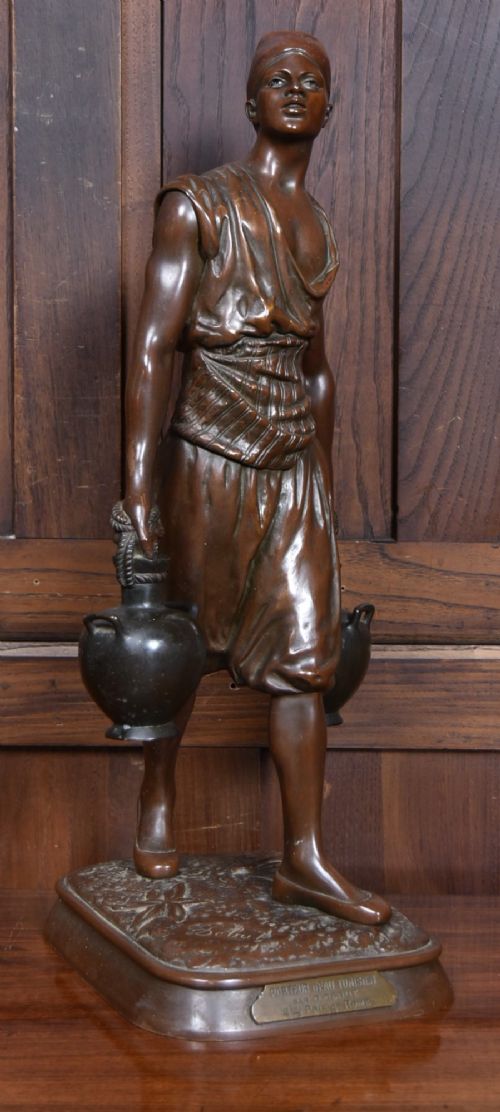
Every french orientalist bronze figure captures figures from North Africa and the Near East, rendered with intense ethnographic and narrative detail during the nineteenth century. The subjects range from merchants and water carriers to dancers and sentinels, often cast by prominent Parisian foundries.
Most pieces seen here belong to the nineteenth century, including specific dates from eighteen eighty to nineteen twenty, moving through Victorian tastes into Art Nouveau and Art Deco. These sculptures frequently sit upon integrated bases of marble or onyx, grounding the metallic forms.
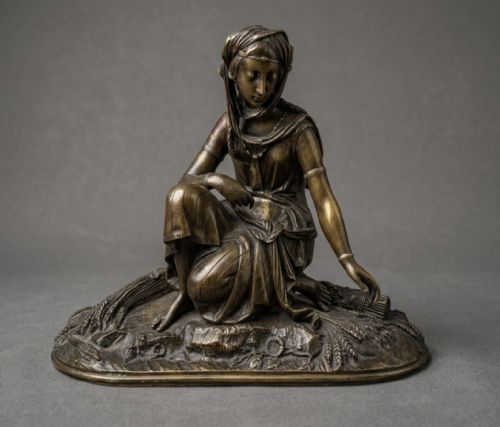
Makers and sculptors utilised patinated bronze and patinated metal to give depth to drapery and skin tones. Collectors encounter both small cabinet studies and monumental figures standing up to two feet tall.
Materials and casting methods
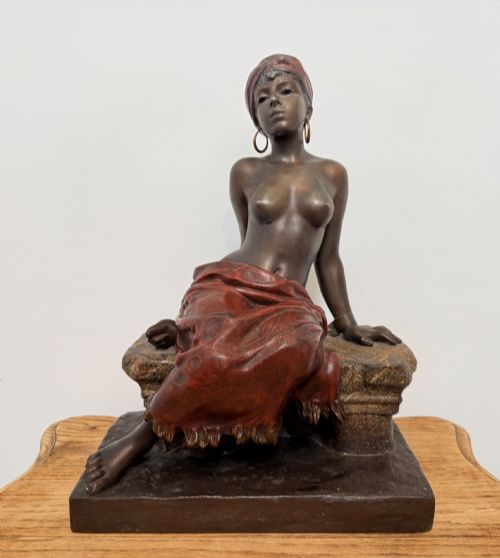
Foundries cast these works primarily in bronze, alongside variations in patinated metal and spelter, often finishing surfaces with rich dark patination or polychrome pigments. Cold painting appears on specific figures and clock mounts to add realistic colour to garments and skin.
Mounts and integral plinths frequently incorporate carved marble, onyx, or wood to provide weight and visual contrast to the metal sculpture. Sculptors signed their work directly into the bronze before the casting process was finalised.
French Orientalist Bronze Figure Retail Price Guide 2026
Typical asking prices for french orientalist bronze figure among the pieces listed under this phrase on Sellingantiques today, from the lower quarter to the upper quarter. They describe what is for sale here now, not the wider market.
Listings span the nineteenth century through the Art Deco era, incorporating materials such as bronze, marble, onyx, polychrome, and spelter.
Distinctions in casting and finish
The choice and integration of the base material also mark the tier of the piece, with dense veined marble or fine onyx indicating higher production values than plain wooden mounts. Signed works attributed to known sculptors retain distinct artistic authority compared to unsigned studio castings.
Emmanuel Villanis·Edouard Drouot·Alfred Dubucand·Arthur Waagen·Claire Colinet·Demetre Chiparus·Pierre Jules Mène
The French Orientalist Bronze Figure Glossary
- Orientalism
- Artistic movement focusing on the depiction of Near Eastern and North African subjects. This style dominated European salons during the nineteenth century.
- Patinated bronze
- Bronze treated with chemical solutions to produce a specific surface colour and tone. This finish protects the metal and highlights sculptural detail.
- Spelter
- Zinc alloy used as a less expensive alternative to bronze for sculptural casting. It accepts patination well but possesses a lighter weight and softer structure.
French Orientalist Bronze Figure: Frequently Asked Questions
What subjects do these sculptures show?
The figures depict individuals from North Africa and the Near East, including merchants, water carriers, snake charmers, sentinels, and dancers. Each subject reflects European artistic interest in distant cultures during the nineteenth and early twentieth centuries.
Artists observed local dress, daily labour, and architecture, translating those observations into dramatic sculptural narratives intended for European drawing rooms and studies.
How do I identify Art Nouveau examples?
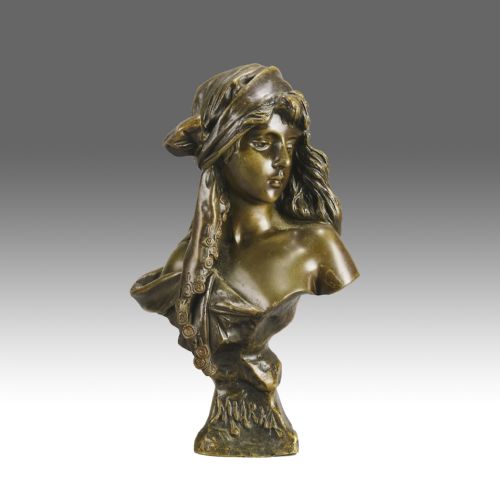
Art Nouveau pieces display flowing, organic lines in the drapery and hair of the subjects, often accompanied by stylised bases characteristic of the turn of the twentieth century. Sculptors like Emmanuel Villanis worked extensively within this aesthetic.
The lettering on the titles and signatures also adopts curved, decorative typography typical of the period, departing from the stricter academic realism of earlier Victorian bronzes.
Are these pieces made of solid bronze?
Many examples are cast in bronze using the traditional lost-wax method, while others utilise patinated metal or spelter as alternative casting materials. The inventory also includes mixed media pieces combining metal figures with marble or onyx bases.
Examining the underside and the weight helps determine the specific metal used, as bronze feels significantly heavier and colder than spelter or mixed alloys.
Where were these sculptures originally displayed?
Nineteenth-century collectors placed these figures on mantelpieces, library tables, and dedicated pedestals within affluent European homes. They served as conversation pieces reflecting travel, colonial expansion, and exotic tastes.
Today, they function well on sturdy wooden furniture or dedicated display stands where adequate lighting can catch the nuanced patination and carved stone bases.