



Brown Bronze Orientalist Sculpture
Brown bronze orientalist sculpture captures distant lands through figures and animals cast in metal during the nineteenth century.

Brown Bronze Orientalist Sculpture
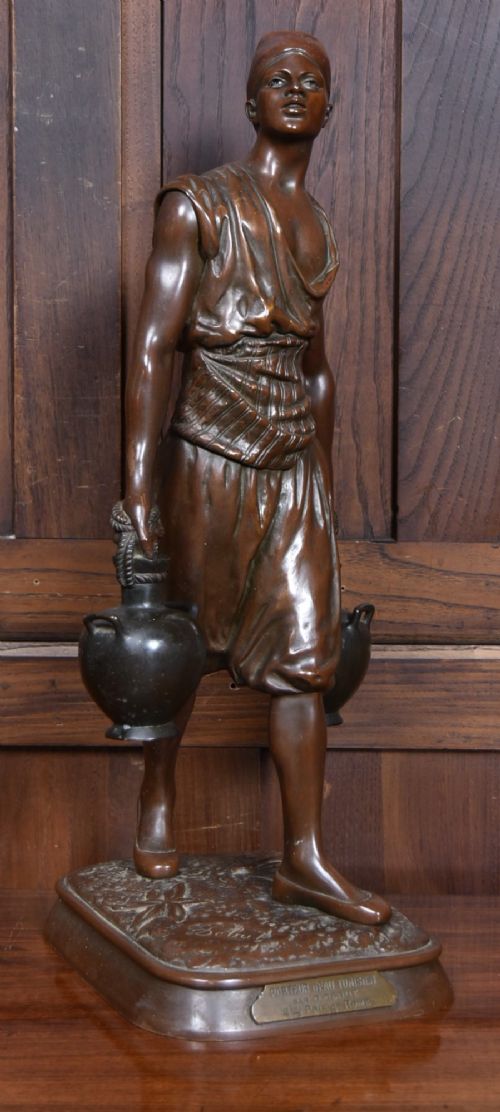
Brown bronze orientalist sculpture takes the form of figures, busts, and floor lamps depicting subjects from North Africa and the Middle East. These works emerge from nineteenth-century European studios, drawing inspiration from travels and exhibitions that celebrated foreign cultures. Buyers encounter representations of water carriers, warriors, Arab boys, and camel riders cast in substantial metal.
The pieces on this page span the Victorian era, the Art Nouveau period, and the early twentieth century. Sculptures range from intimate tabletop studies to large standing figures and figural lamps. Makers utilised patinated bronze, cold-painted pigment, and enamel paint to render garments, skin tones, and desert settings with striking realism.
How they were made
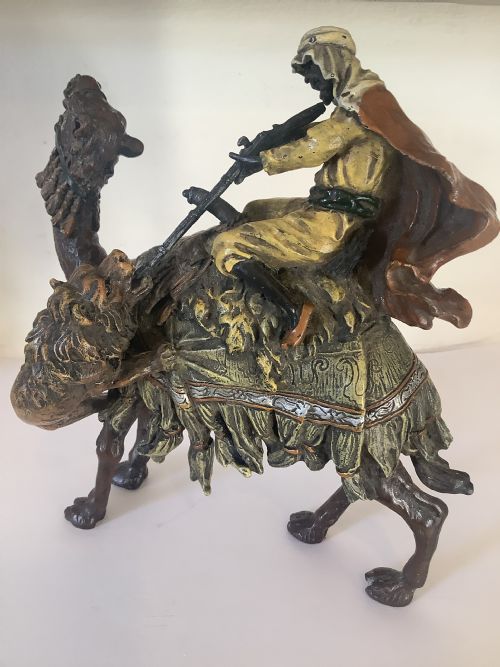
Certain works received additional treatment through cold-painted pigment or enamel paint applied directly over the metal or terracotta. This technique added colour to garments and skin, though many pieces relied entirely on the varied tones of the brown patina. Wood bases and glass elements occasionally accompanied the metal figures to complete lamps and sculptural groups.
Brown Bronze Orientalist Sculpture Retail Price Guide 2026
Typical asking prices for brown bronze orientalist sculpture among the pieces listed under this phrase on Sellingantiques today, from the lower quarter to the upper quarter. They describe what is for sale here now, not the wider market.
A bronze camel manages to look unimpressed even when carrying an armed warrior through the nineteenth-century desert.
What varies in quality
Quality rests in the crispness of the casting and the sensitivity of the chasing work across the metal. Superior examples exhibit sharp facial expressions, clearly defined fingers and toes, and intricately textured fabrics that reward close inspection. Weaker pieces display softened details and heavy, uniform patination that obscures the underlying form.
The reputation of the foundry and the skill of the modeller dictate the desirability of each piece. Signed works and documented casts by recognised sculptors command attention for their artistic authority and balanced composition. The retention of original cold-painted pigment further distinguishes exceptional survivals from standard production.
Emmanuel Villanis·Franz Bergman·Goldscheider·J Angles
The Brown Bronze Orientalist Sculpture Glossary
- Patinated bronze
- Bronze treated with chemical solutions to produce a stable surface colour, typically rich brown in these sculptures. This finish protects the metal and accentuates the contours of the casting.
- Cold-painted bronze
- Metal sculpture painted with oil-based pigments after the casting and patination processes are complete. The paint is not fired in a kiln, making it vulnerable to chipping over time.
- Orientalism
- An artistic movement in nineteenth-century Europe focusing on the Middle East and North Africa. Artists depicted local inhabitants, architecture, and landscapes with varying degrees of romanticism.
- Chasing
- The manual finishing of a metal casting using small hammers and punches. This process refines the surface texture and sharpens details lost during the casting stage.
Brown Bronze Orientalist Sculpture: Frequently Asked Questions
What subjects appear most often?
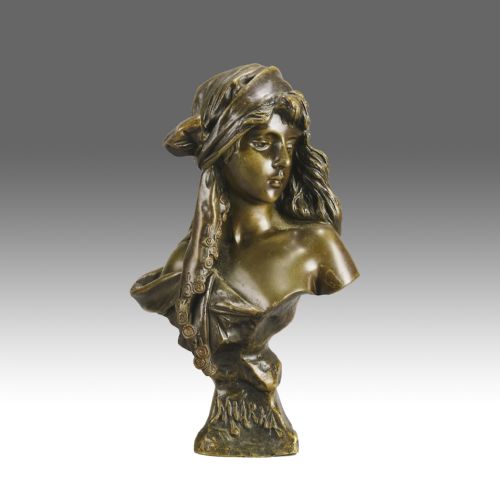
These sculptures depict figures from North Africa and the Middle East, including water carriers, warriors, snake charmers, and camel riders. Busts of women and girls also feature prominently among the available works.
Scenes often capture daily life or ceremonial roles, rendered with distinct regional clothing and accessories. Animals such as donkeys and camels frequently accompany the human figures in larger group compositions.
How do I clean patinated bronze?
Dust the surface gently with a soft, dry microfibre cloth to remove accumulated particles. Avoid using water, household cleaners, or metal polishes that strip the historic brown patina.
Applying a very light coat of microcrystalline wax can protect the metal finish from moisture and handling. Consult a professional conservator if the sculpture requires deeper cleaning or repair.
Where were these pieces made?
European artists and foundries produced these sculptures during the nineteenth and early twentieth centuries. Major production centres included France and Vienna, where skilled metalworkers cast and finished the pieces.
Artists travelled extensively or relied on sketches and photographs from abroad to design their subjects. The resulting works were exported to buyers across Europe and Britain.
How do I identify the period?
Examine the casting style, surface finish, and any signatures or foundry marks inscribed on the base. Victorian and nineteenth-century pieces often feature deep brown patinas and realistic detailing, while later works adopt flowing Art Nouveau lines.
Signatures scratched or cast into the bronze point directly to the executing sculptor or foundry. Comparing these marks with known records helps confirm the era of production.