





Oriental Wool Area Rug
An oriental wool area rug brings enduring regional pattern and tactile warmth into a room, spanning centuries of weaving traditions from Persia, the Caucasus, and beyond.
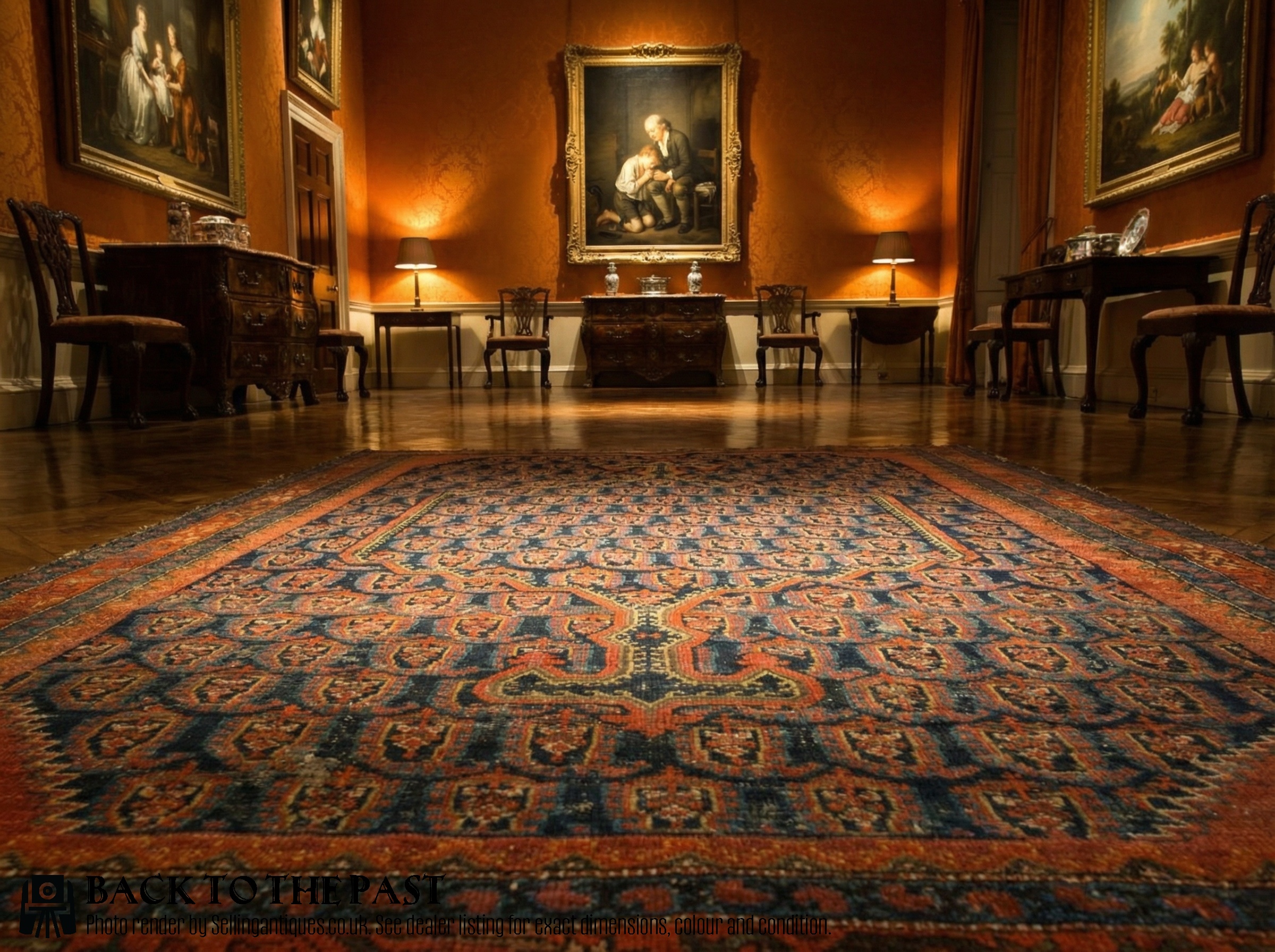
Oriental Wool Area Rug
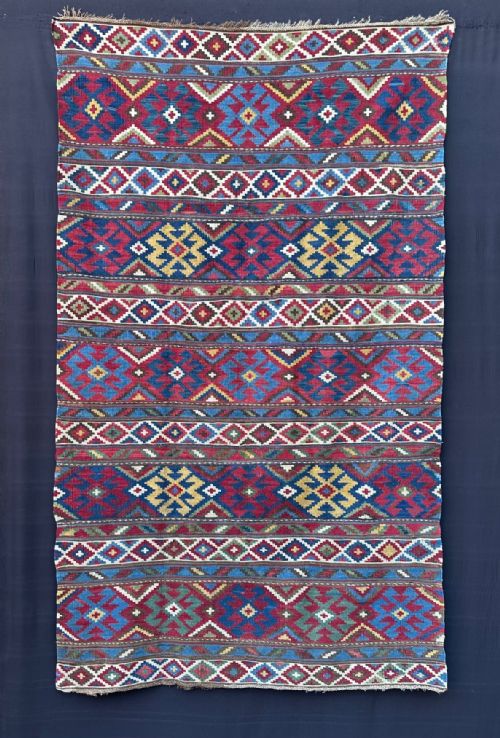
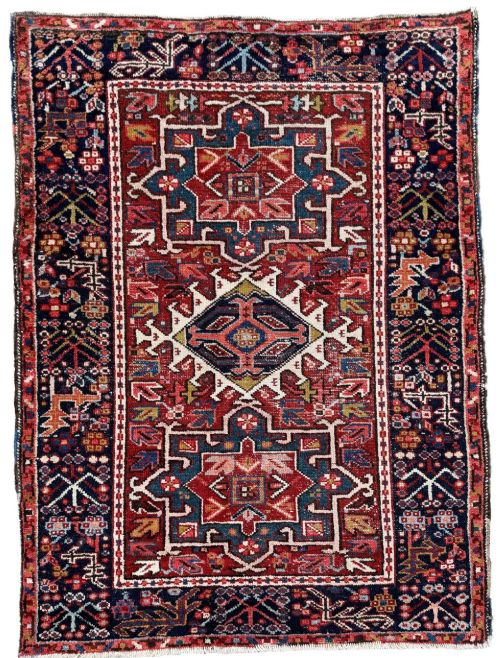
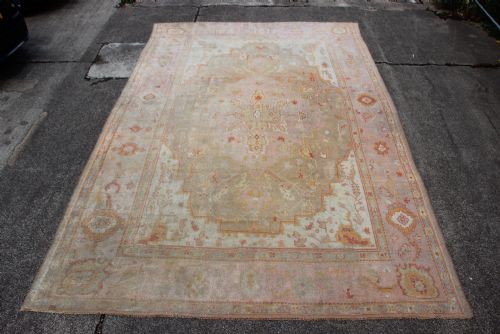
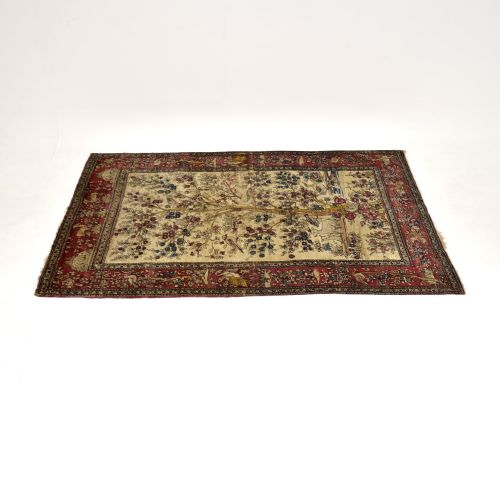
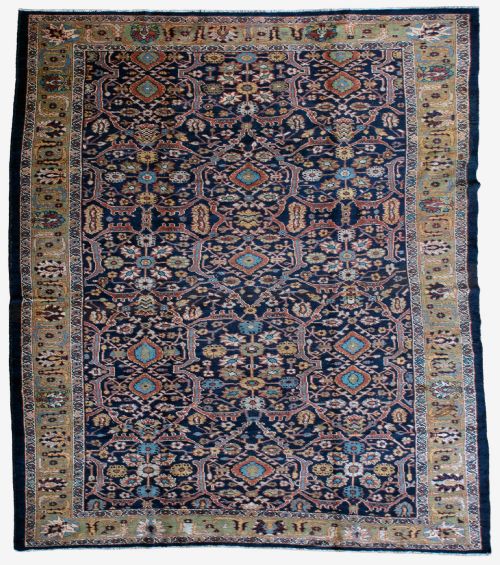
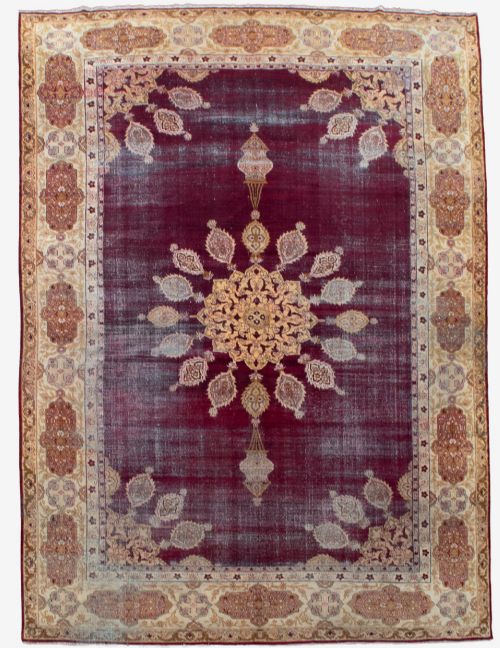
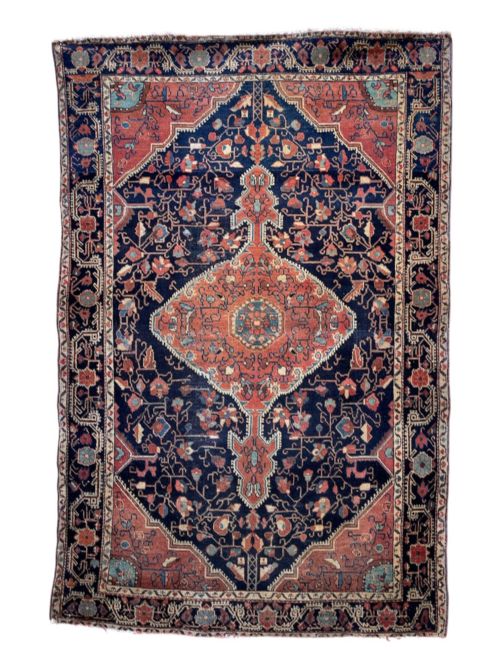
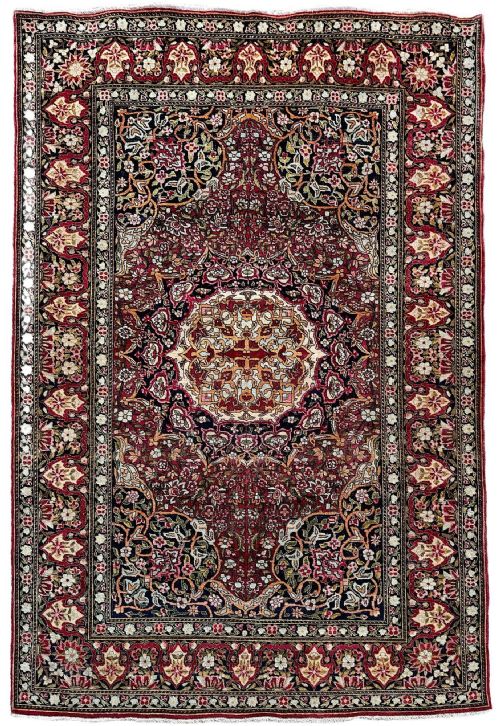
An oriental wool area rug encompasses hand-knotted and woven floor coverings originating from traditional weaving centres across Asia, including Persian, Caucasian, Turkmen, and Tibetan regions. These pieces include large carpets, hearth-sized mats, runners, and specialised prayer rugs designed for domestic or ritual use. Buyers searching for an oriental wool area rug will encounter examples spanning the late nineteenth century through the early twentieth century, reflecting distinct regional aesthetics and tribal motifs.
The selection ranges from grand country house carpets originating in Oushak and Amritsar to smaller, highly geometric village and tribal pieces from regions such as Kazak, Shirvan, and Baluch. Persian workshops and towns like Saroukh, Bidjar, Isfahan, and Kashan contribute finely detailed floral designs, whilst nomadic weavers produce bolder, repeating geometric patterns. Most items available date from the eighteen-eighties to the nineteen-thirties, offering a tangible connection to historic textile arts.

Materials and construction
Makers constructed these textiles predominantly using wool, often hand-spun, combined with cotton foundations and occasional silk highlights to accentuate specific design elements. Natural dyes provide the underlying palette, yielding rich, mellow tones that develop patina over long periods of use and exposure to light. Camel wool also appears in select tribal pieces, adding varied texture and natural coloration.
Weavers utilised traditional hand-knotting and flat-weaving techniques, securing the piles onto warp and weft threads of cotton or wool. Regional workshops employed specific knot densities and loom configurations, resulting in the sturdy structures observed in Bidjar pieces or the supple handles characteristic of certain Oushak and Tibetan carpets.
Oriental Wool Area Rug Retail Price Guide 2026
Typical asking prices for oriental wool area rug among the pieces listed under this phrase on Sellingantiques today, from the lower quarter to the upper quarter. They describe what is for sale here now, not the wider market.
Nomadic weavers occasionally incorporated deliberate minor irregularities into symmetrical tribal carpets to ward off the evil eye.
Assessing quality and execution
Quality in these textiles rests upon the precision of the knotting, the integrity of the foundation materials, and the stability of the dyes employed. Tightly packed knots and robust wool selection distinguish enduring village and workshop productions from lighter, more fragile examples.
The harmony and saturation of the palette, particularly the depth achieved through natural dye sources, separate standard domestic items from superior artistic achievements. Well-executed symmetry in regional geometric layouts or precise floral curves indicate superior workshop supervision during production.
The Oriental Wool Area Rug Glossary
- Prayer rug
- A small format textile featuring a mihrab or arch design, traditionally utilised for daily Islamic prayers. These pieces often display specific directional motifs pointing toward Mecca.
- Mihrab
- The arched design element depicted on prayer rugs, representing the direction of prayer. It is a central focal point in Caucasian and Anatolian examples.
- Natural dyes
- Colourants derived from plant, insect, or mineral sources prior to the widespread adoption of synthetic aniline dyes. They produce harmonious, ageing colours that mellow gracefully over decades.
- Hand-spun wool
- Yarn spun by hand rather than by industrial machinery, resulting in slight variations in thickness and texture. This traditional preparation absorbs natural dye unevenly, creating subtle tonal depth across the rug surface.
Oriental Wool Area Rug: Frequently Asked Questions
How do I identify regional styles?
Regional styles appear through distinct design vocabularies, such as the geometric medallions of Caucasian Kazak pieces or the flowing floral curves of Persian Kashan and Isfahan carpets.
Examining the border arrangements, colour palette, and structural materials provides further clues to whether a piece originated in a nomadic tent, a village workshop, or a major urban centre.
Where were these rugs used?
Historically, these textiles served varied domestic functions, from insulating stone floors in grand European country houses to providing portable seating and bedding in nomadic Turkmen and Baluch tents.
Smaller formats functioned as hearth rugs or prayer mats, whilst large room-sized carpets anchored formal reception spaces in Persian and Turkish homes.
How should I care for an antique rug?
Regular, gentle vacuuming without a rotating power brush helps remove embedded grit that can damage wool fibres over time. Professional cleaning tailored to antique textiles ensures that natural dyes and hand-spun wool foundations remain stable.
What does a double mihrab mean?
A double mihrab indicates a prayer rug design featuring an arch motif at both opposing ends rather than a single directional focus. This layout often appears in specific regional weaving traditions such as Baluch productions.