

Oriental Wooden Sculpture
Oriental wooden sculpture brings centuries of Asian craftsmanship into a room, offering carved figures and animals shaped from rich hardwoods.
Oriental Wooden Sculpture
Oriental wooden sculpture encompasses a diverse range of carved figures, temple guards, animals, and cultural deities originating from China, Japan, India, and Southeast Asia. These pieces emerge from periods spanning the late Ming and Qing dynasties, the Meiji period, and into the early twentieth century.
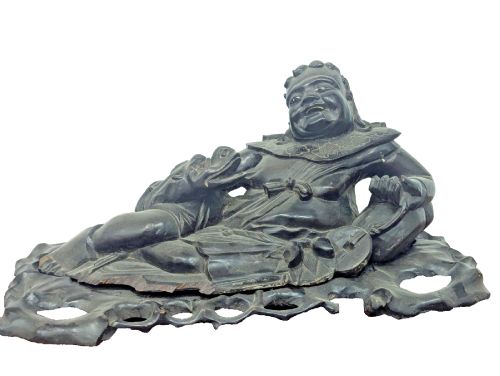
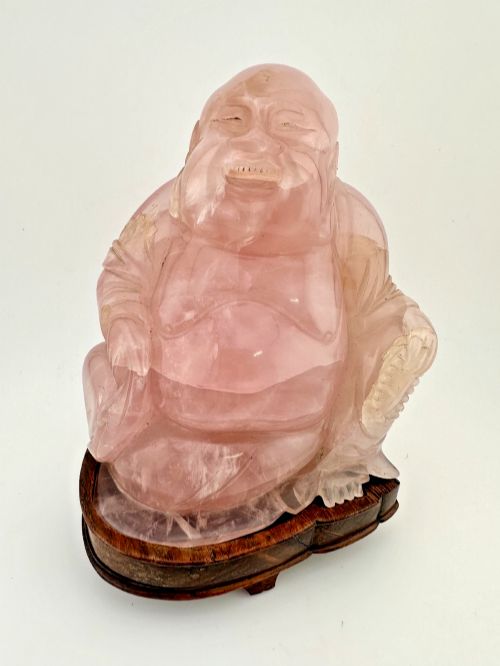
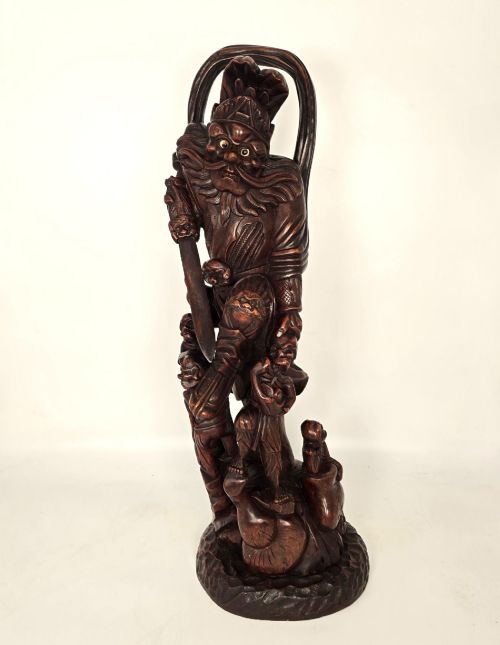
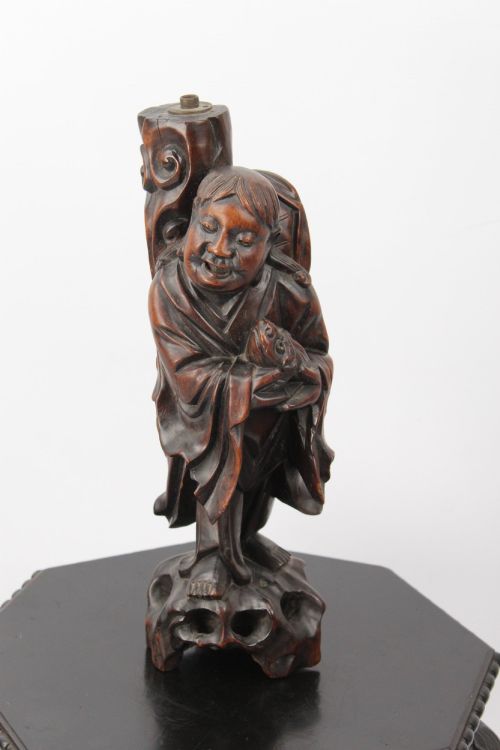
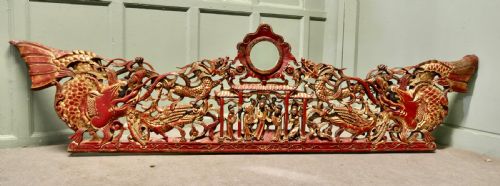
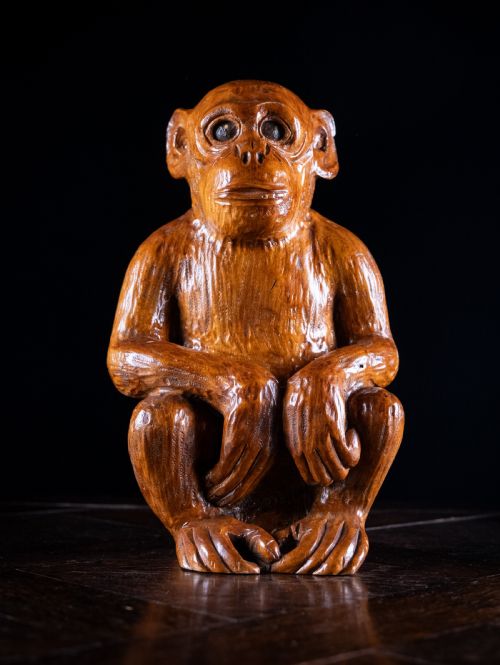
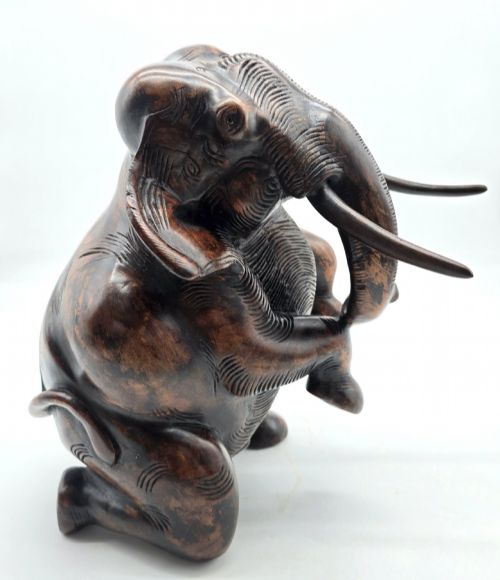
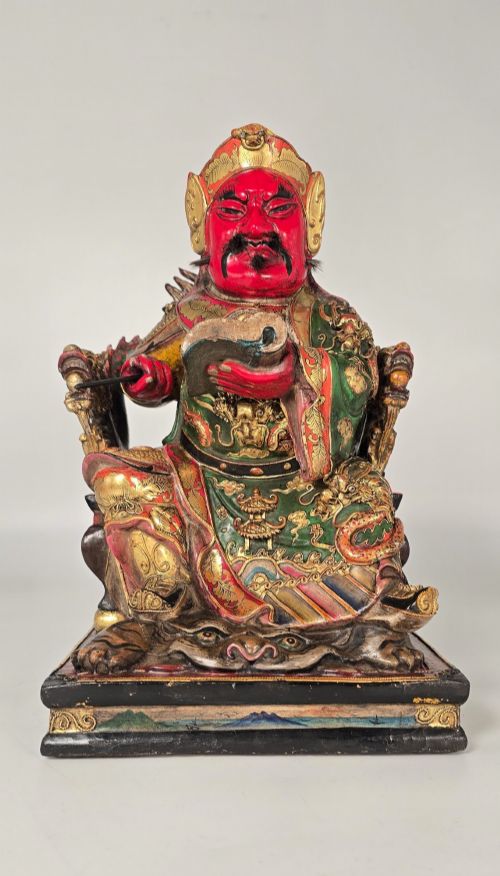
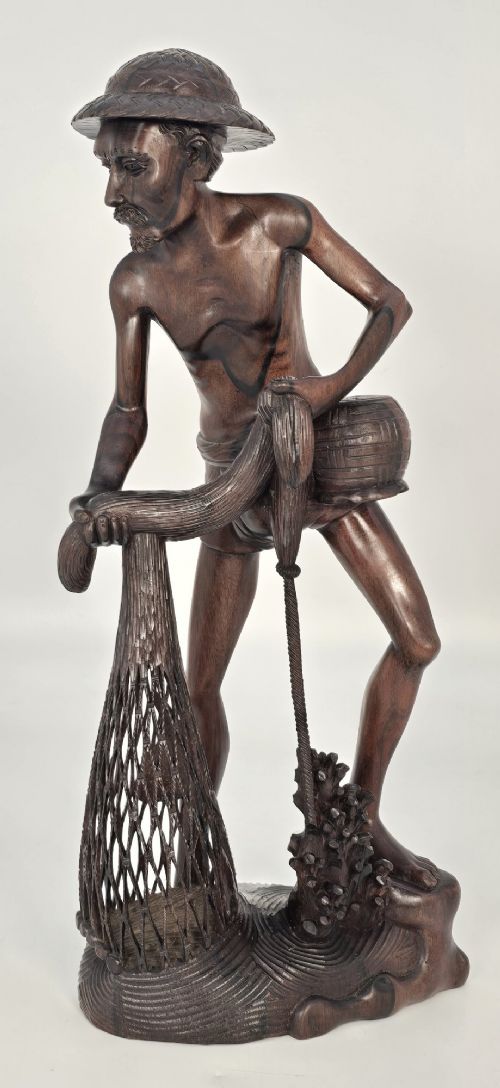
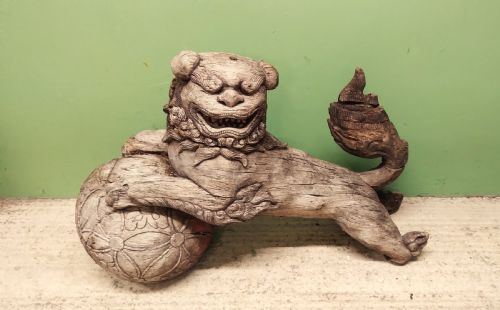
The buyer most frequently encounters hardwood figures such as scholars, fishermen, and mythical guardians, alongside representations of Buddha, temple lions, and elephants. These works take forms ranging from monumental architectural pediments and temple figures to smaller decorative okimono and boxwood carvings.
Originating from distinct regional traditions including Japanese folk art, Anglo-Indian craftsmanship, and Chinese traditional carving, these sculptures reflect the religious, mythological, and daily life themes of their respective cultures.
How They Were Made
Artisans carved these pieces primarily from dense woods and hardwoods such as boxwood, root wood, and hongmu, often utilising the natural grain and root formations to dictate the final shape of figures like scholars and animals.
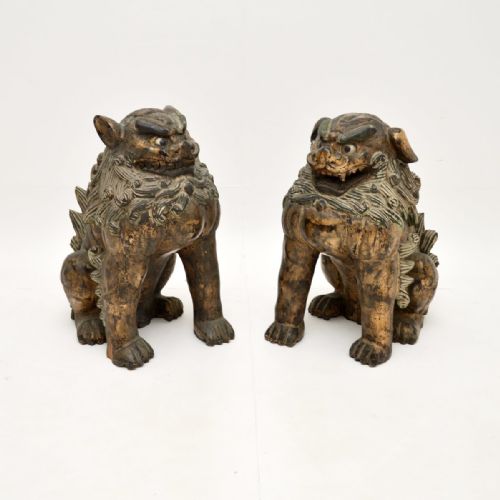
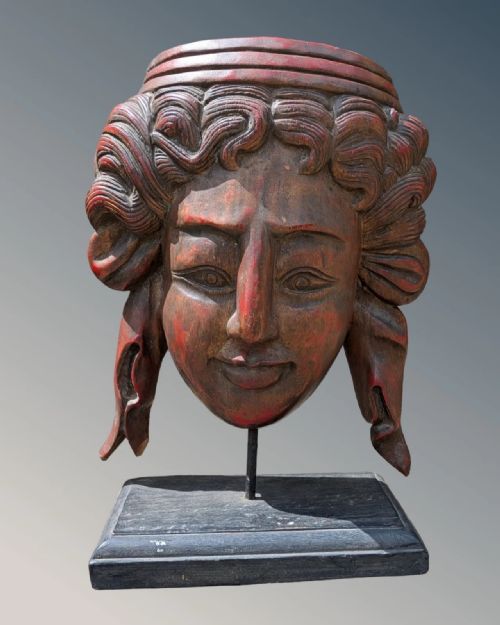
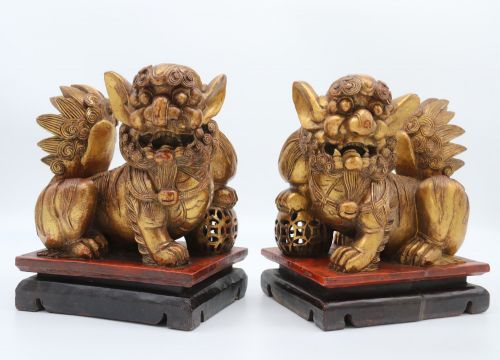
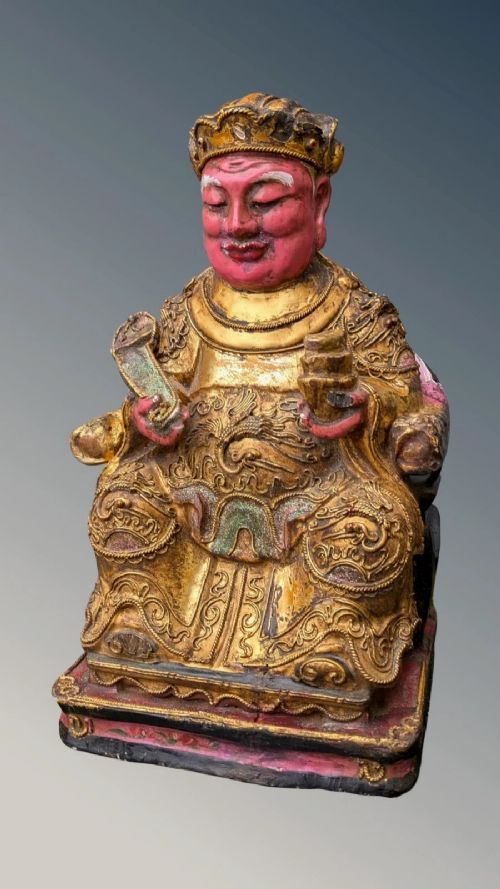
Many sculptures incorporate applied surface treatments, including layers of lacquer, polychrome paint, and gold leaf or gesso, particularly on temple figures and Buddhist lions where vibrant colour and gilding signify importance.
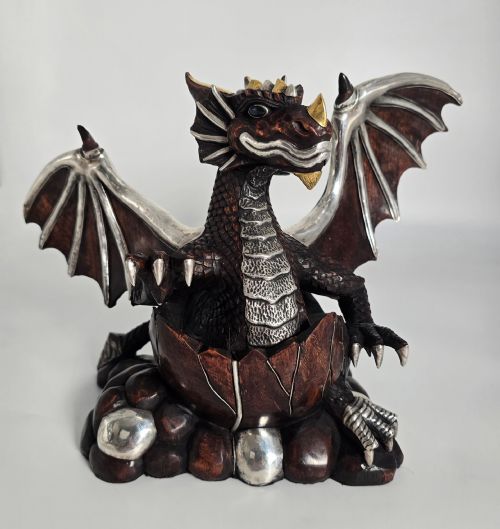
Some works integrate mixed metals, brass mounts, or carved stands, combining detailed chisel work with structural joinery to support large temple guards, elephants, and ceremonial gongs.
Object types on this page include netsuke, temple pediments, okimono, and freestanding figures of deities and animals.
What Varies in Quality
The standard of carving distinguishes the collection, separating works defined by deep, expressive undercut relief and anatomical precision from simpler, more rigid forms.
The preservation of original surface finishes, such as hand-applied polychrome paint, gold leaf, and lacquer, dictates the visual depth and historical integrity of each piece.
Scale and ambition separate standard decorative carvings from monumental temple guardians and architectural pediments requiring significant technical mastery from the maker.
The Oriental Wooden Sculpture Glossary
- Okimono
- A Japanese ornamental statue or carving intended for display, often depicting figures, animals, or daily scenes from the Meiji period.
- Foo Dog
- A traditional guardian figure resembling a lion, commonly carved in pairs from wood or stone to protect doorways and temples.
- Polychrome
- Painted or decorated in several colours, frequently applied to wood sculptures alongside gold leaf to enhance ritual figures.
- Hongmu
- A dense, dark red-brown hardwood used in traditional Chinese furniture and sculpture for its durability and fine grain.
- Giltwood
- Wood that has been treated with a thin layer of gold leaf or gold paint, seen on Buddhist lions and temple guards.
Oriental Wooden Sculpture: Frequently Asked Questions
What materials were used in oriental wooden sculpture?
These sculptures are carved primarily from various woods and dense hardwoods, including boxwood and root wood. Many examples feature additional surface ornamentation such as gold leaf, lacquer, gesso, and polychrome paint.
Larger architectural pieces and temple figures sometimes incorporate mixed metal mounts or brass components, while others rest upon dedicated carved wooden stands.
How do I identify a temple figure?
Temple figures typically portray guardians, deities, civil officials, or Buddhist immortals in monumental or high relief scales. They frequently display remnants of giltwood, lacquer, or polychrome paint applied to emphasise their ritual significance.
Unlike domestic okimono or small decorative carvings, these substantial works originate from sacred or official architectural settings.
Where did these sculptures originate?
The pieces originate from across Asia, spanning traditions associated with Chinese dynasties, Japanese folk art, and Southeast Asian craftsmanship. Specific regional styles include Anglo-Indian Raj period carvings and Meiji period Japanese works.
Creators utilised local timbers and traditional carving techniques native to their respective cultural workshops.
How should I care for a wooden sculpture?
Display wooden sculptures away from direct sunlight and rapid temperature fluctuations to protect the timber, lacquer, and gold leaf from drying or cracking. Maintain a stable indoor environment without harsh chemical cleaning agents.
Dust the carved surfaces gently with a soft, dry cloth to preserve the original patina and polychrome details.