

Oriental Wood Carving
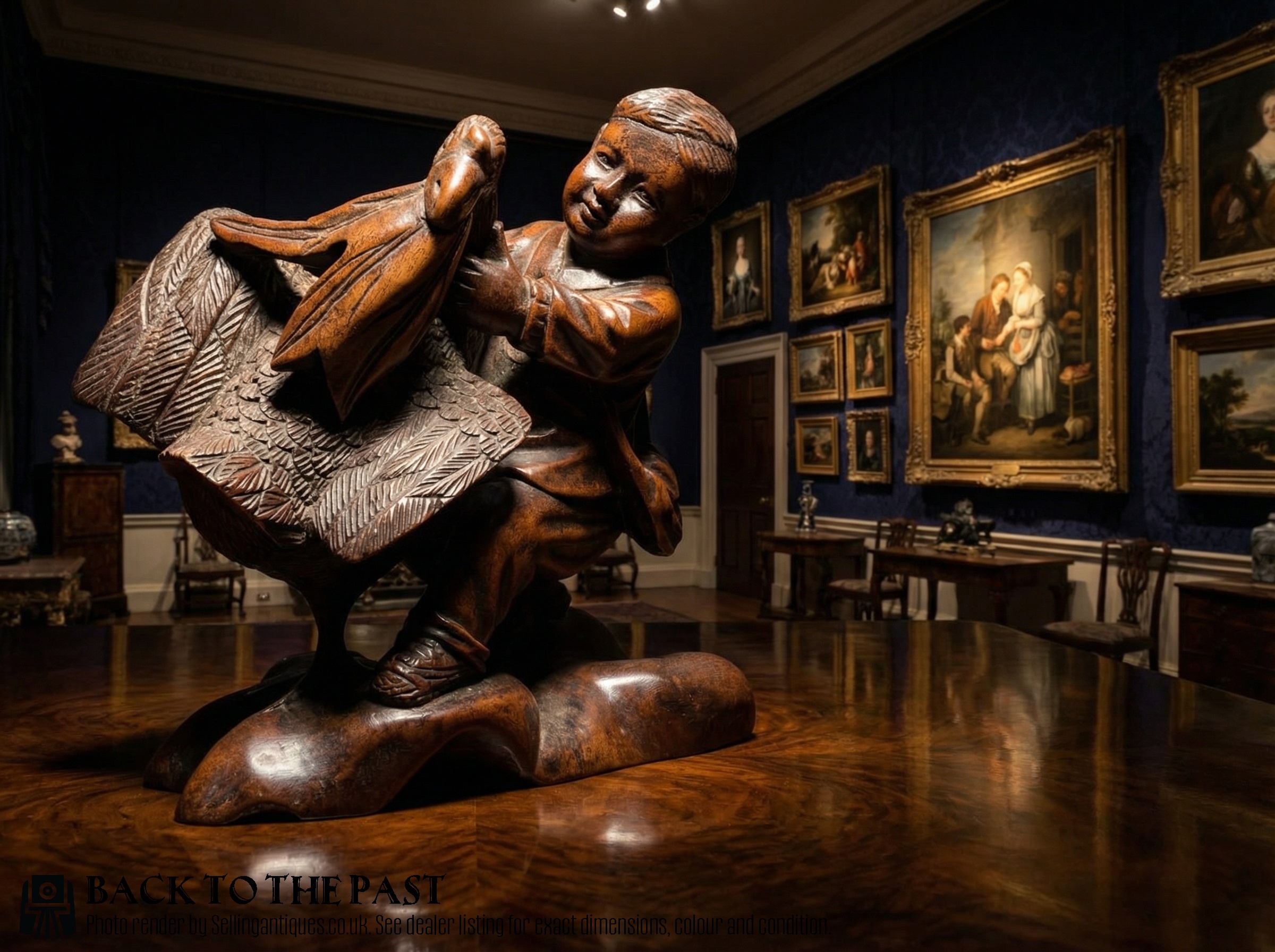
Oriental wood carving brings together heavy rosewood furniture, intricate tables and figurative sculptures shaped across the nineteenth and early twentieth centuries.
Oriental Wood Carving
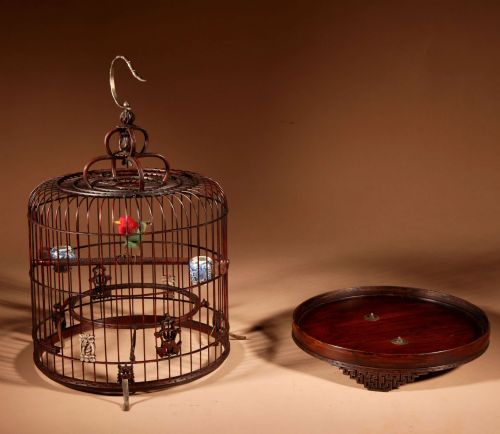
When someone searches for oriental wood carving, they encounter a diverse selection of furniture and decorative objects originating from China, Japan, India and Burma. The items span the nineteenth century through to the early decades of the twentieth century, reflecting varied regional aesthetics from Qing Dynasty pieces to Anglo-Indian designs.
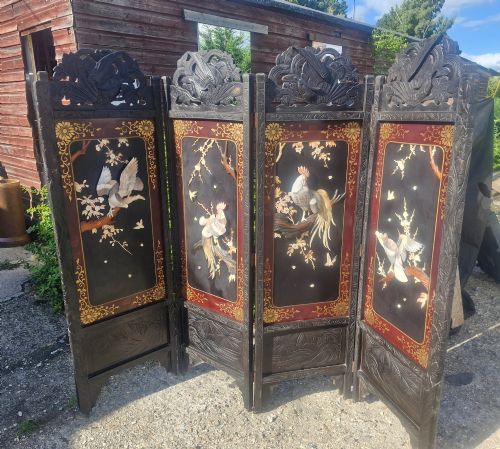
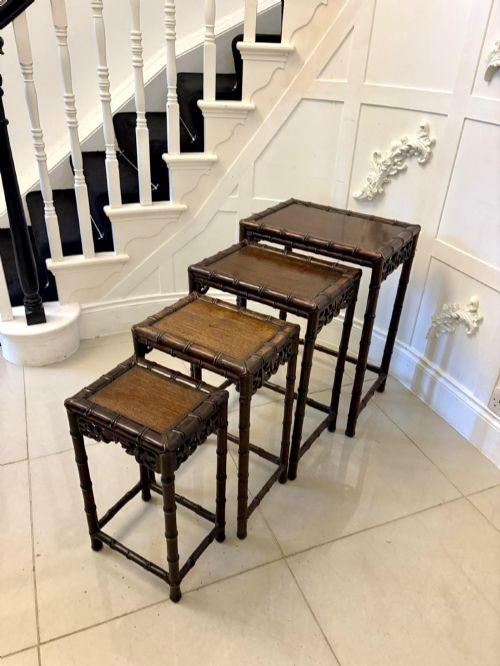
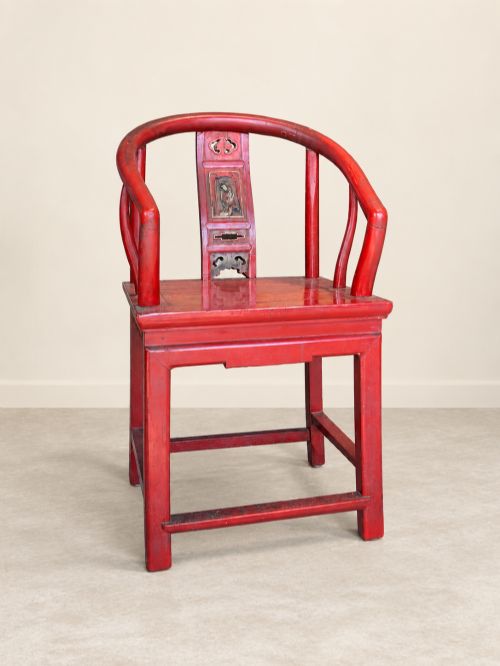
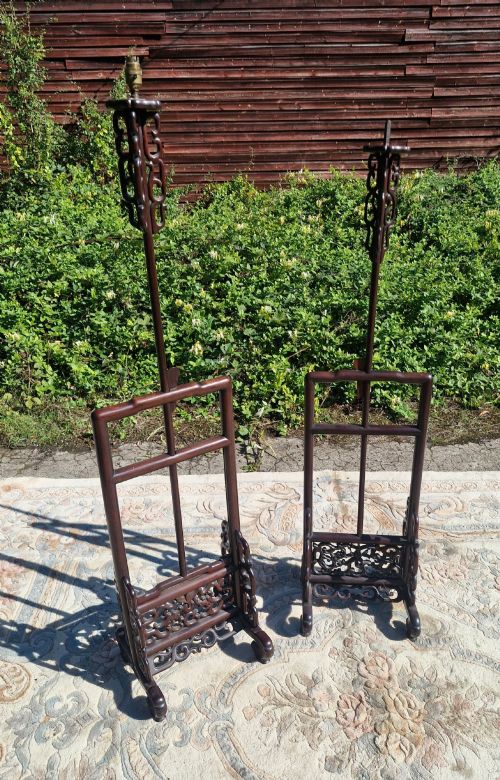
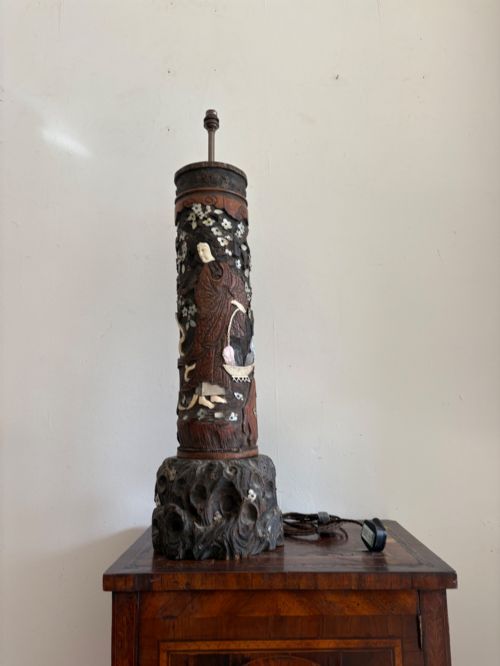
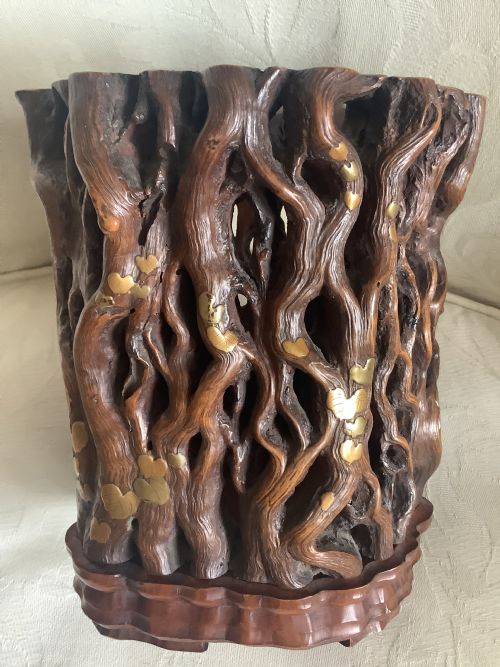
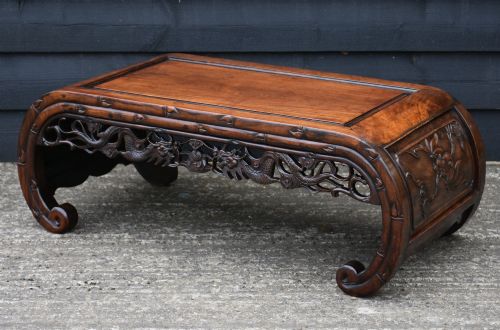
Buyers are most likely to meet practical household forms on this page, including low opium tables, nest of tables, plant stands, armchairs and display cabinets. Alongside these seating and display pieces, smaller decorative items such as brush pots, lamp standards and folding screens appear frequently.
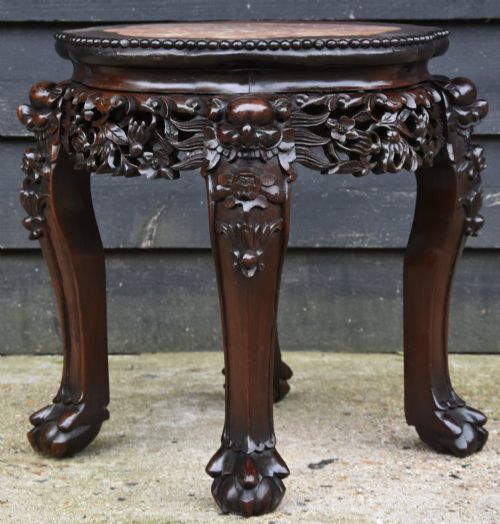
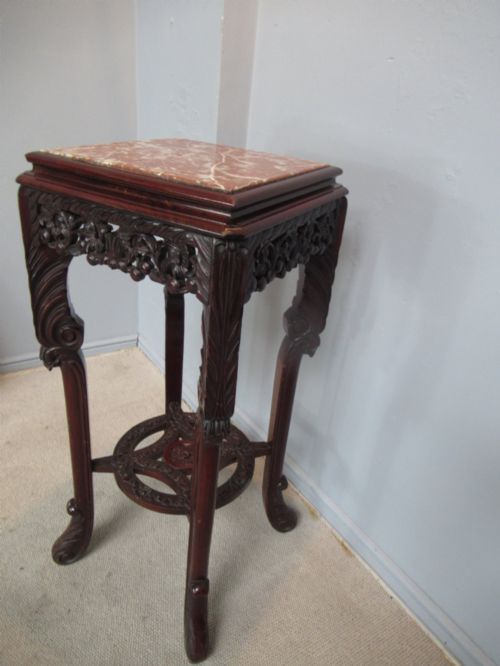
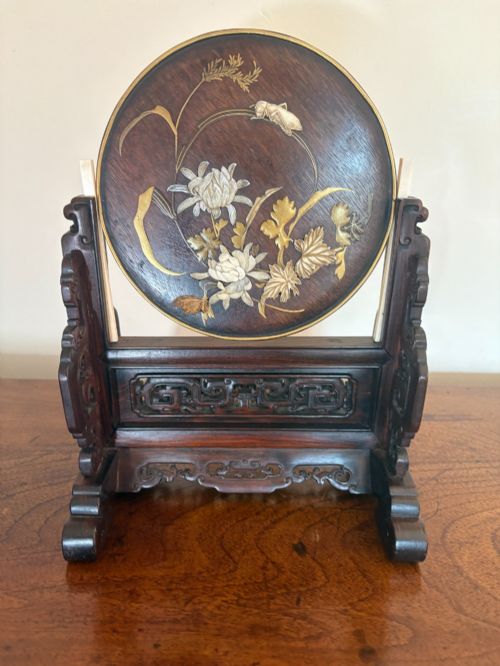
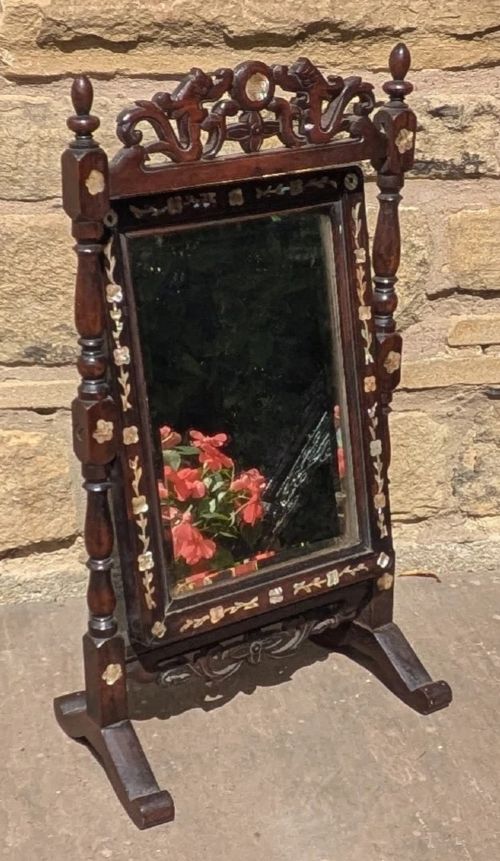
The material palette of these objects leans heavily on dense timbers like rosewood, elm and general hardwood, often embellished with contrasting details. Mother of pearl inlay, bone figures and brass components regularly accent the carved wooden surfaces across the different object types.
Materials and Technique
The construction of these pieces relies heavily on dense, durable timbers such as rosewood, padouk, elm and general hardwood. Artisans selected these heavy woods for their ability to hold deep, sharp relief and intricate pierced carving without splintering.
Decoration was achieved through a combination of manual chisel work, joinery and surface inlay. Carvers set mother of pearl, bone and brass directly into the timber grounds, sometimes finishing the wood with lacquer or maintaining a natural polished patina.
Oriental Wood Carving Retail Price Guide 2026
Typical asking prices for oriental wood carving among the pieces listed under this phrase on Sellingantiques today, from the lower quarter to the upper quarter. They describe what is for sale here now, not the wider market.
A tiny bone figure on a folding screen gazes perpetually across the room, having outlasted several empires.
Standards of Execution
Quality in these carvings rests on the depth and crispness of the chisel work rather than the mere presence of decoration. Superior examples show precise undercutting and clean lines in motifs like dragons, foliage or figures, whereas lesser pieces display shallow, rounded and hurried cutting.
The selection of timber and the integrity of the joinery further divide the range. Dense rosewood and Hongmu structures with tight, traditional joints and intact inlay demonstrate a higher level of workshop competence than composite or poorly fitted items.
Gabriel Viardot·Liberty and Co
The Oriental Wood Carving Glossary
- Hongmu
- A dense, dark tropical hardwood traditionally used in fine Chinese furniture. It translates literally to red wood and holds intricate carved detail exceptionally well.
- Shibayama
- A Japanese craft technique involving the inlay of precious materials such as mother of pearl, ivory and tortoiseshell into wood or lacquer bases.
- Opium table
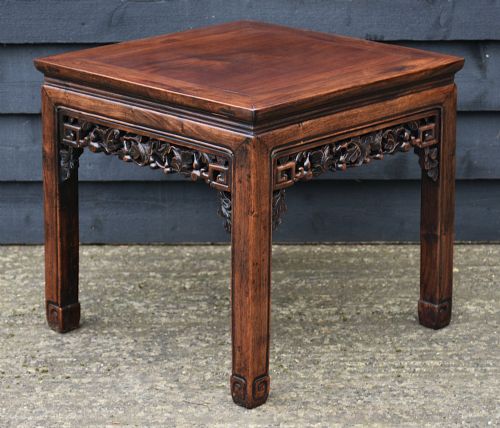
- A low rectangular or square table originating from China, traditionally used for resting smoking paraphernalia or serving tea.
- Yoke-back armchair
- A traditional Chinese seating form characterised by a top crestrail that curves upwards and outwards resembling an ox yoke.
- Meiji Period
- The era in Japanese history spanning from 1868 to 1912, marked by opening trade and exceptional decorative arts production.
- Lokapala
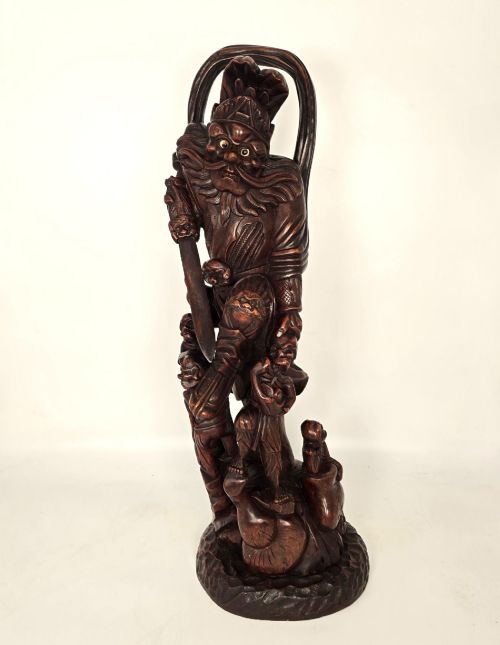
- A celestial guardian king depicted in sculpture as a powerful warrior figure, often carved in hardwood to guard sacred spaces.
Oriental Wood Carving: Frequently Asked Questions
How do I identify Chinese rosewood furniture?
Chinese rosewood furniture, often referred to as Hongmu, is distinguished by its considerable weight, dark reddish-brown hue and tight grain. These pieces frequently feature traditional joinery without metal nails.
Decoration on rosewood items often includes relief carvings of dragons, foliage or geometric fretwork. The timber takes a high natural polish that deepens with age.
What is a Japanese Shibayama screen?
A Shibayama screen is a decorative panel featuring delicate inlaid motifs made from materials such as mother of pearl, bone and coral. These inlays create pictorial scenes of figures, birds and flowers against a wood or lacquered background.
The technique requires immense precision to set the tiny pieces flush into the carved channels of the wooden support. They were produced primarily for export and display during the late nineteenth and early twentieth centuries.
How were low opium tables used?
Low opium tables served as versatile furniture pieces in traditional Chinese households, used for dining, writing and leisure activities close to the floor. Their low stature accommodated seating on cushions or sleeping platforms.
Today, these tables function effectively as coffee tables in modern interiors. Their compact proportions and carved details make them focal points in a room.
Are these items strictly Chinese?
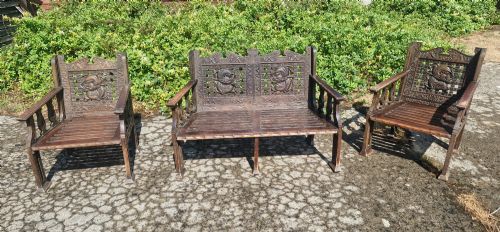
The listings encompass a wide geographical spread across Asia and Europe, including Japanese Meiji items, Burmese conservatory suites and Anglo-Indian tables. While Chinese hardwood furniture forms a large part of the selection, Japanese and Indian works are well represented.
European interpretations of these styles, such as French Japanese furniture or Anglo-Indian bone-inlaid pieces, also appear in the selection. Each regional tradition employs distinct materials and carving characteristics.