






Oriental Wood Carving Stand
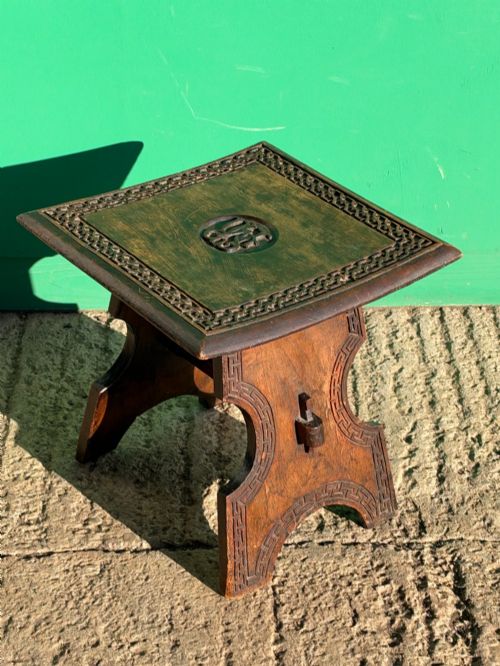
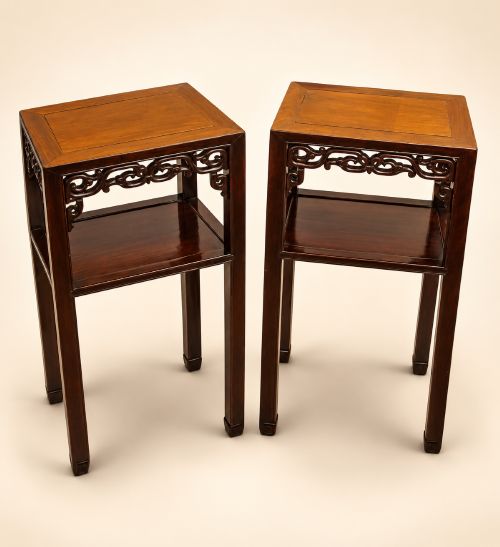
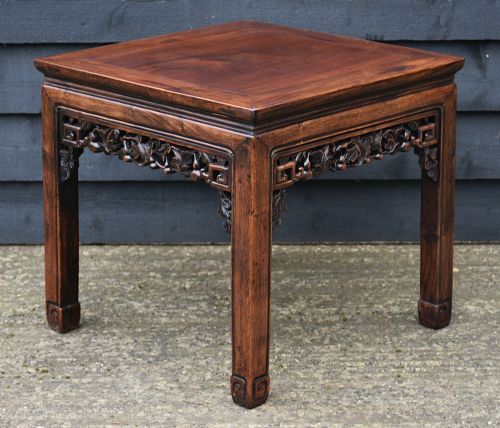
These oriental wood carving stand examples bring intricate craftsmanship into domestic spaces, offering elevated surfaces suited for display.
Oriental Wood Carving Stand
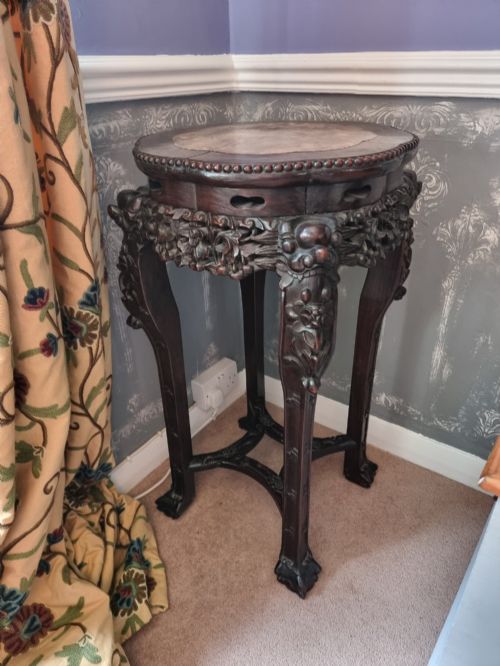
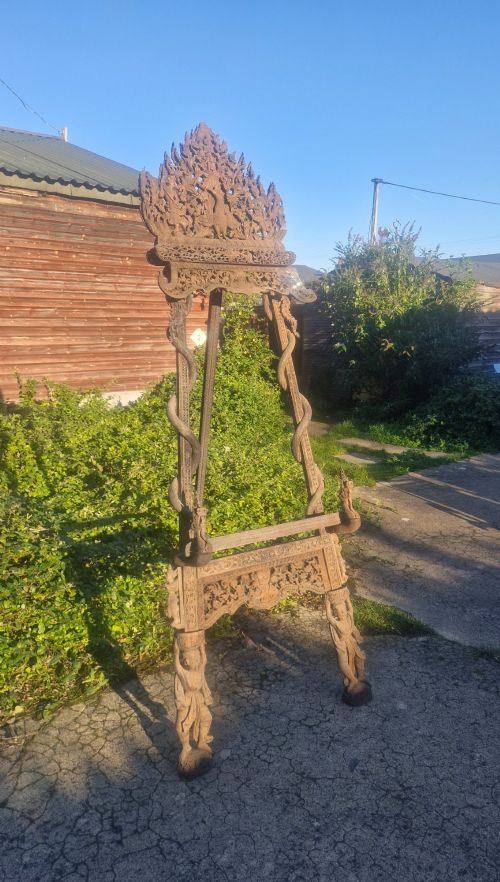
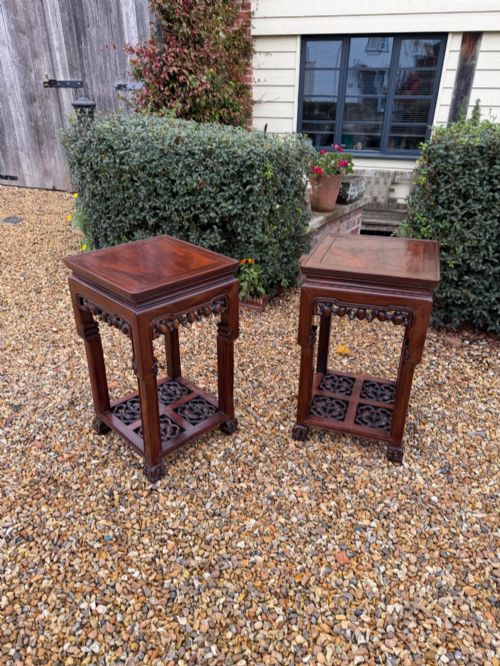
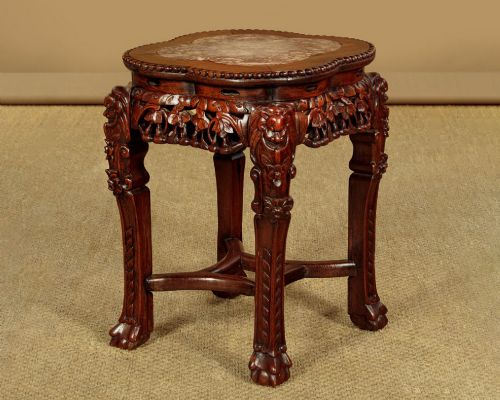
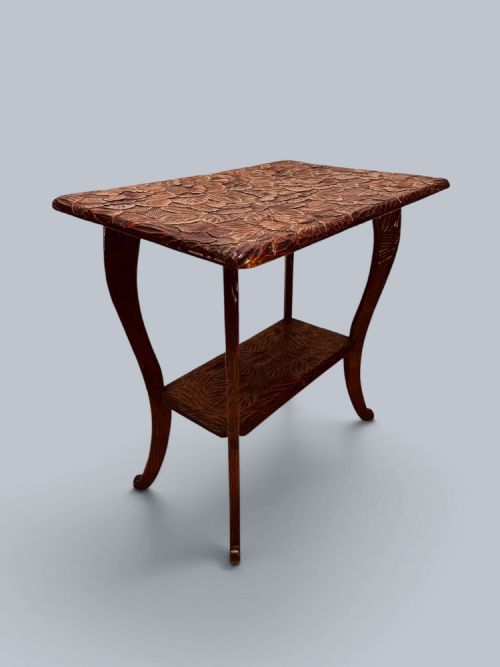
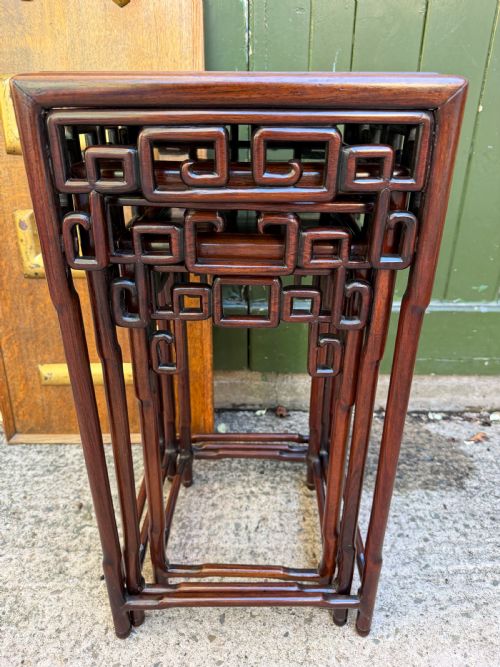
The oriental wood carving stand category encompasses various carved supports originating from Chinese Qing Dynasty, Meiji period Japan, and Anglo-Indian traditions. Buyers encounter numerous small tables, plant supports, and vase pedestals designed to elevate ornamental objects within a room.
Most pieces date from the nineteenth and early twentieth centuries, reflecting diverse regional aesthetics including Chinoiserie and Chinese Export styles. Low occasional tables and marble-top pedestals dominate the forms present in this collection.
Artisans produced these items primarily for functional display, incorporating detailed woodwork tailored for interior decoration. The selection includes specialist supports such as bonsai stands alongside broader occasional tables.
Materials and Construction
Craftsmen utilised dense timbers such as rosewood, walnut, and general hardwoods capable of supporting intricate hand-carved motifs without splitting. These heavy woods provided structural stability for load-bearing plant stands and display furniture.
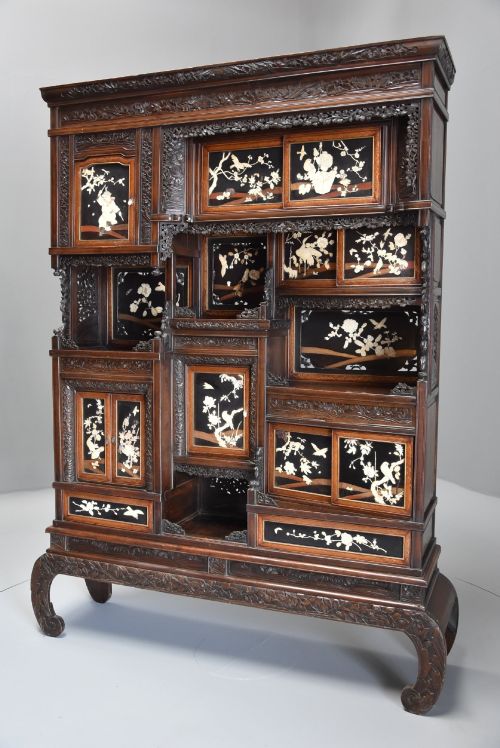
Many surfaces integrate inset marble slabs or decorative elements like bone inlay, brass, and lacquer finishes. Artisans combined traditional joinery with sculptural carving to achieve the textured surfaces characteristic of the period.
Oriental Wood Carving Stand Retail Price Guide 2026
Typical asking prices for oriental wood carving stand among the pieces listed under this phrase on Sellingantiques today, from the lower quarter to the upper quarter. They describe what is for sale here now, not the wider market.
The collection includes nineteenth-century rosewood plant stands, marble-top tables, and inlaid occasional furniture from Chinese and Anglo-Indian traditions.
Evaluating Craftsmanship
Quality rests upon the depth, precision, and crispness of the hand carving rather than the mere presence of decoration. Superior examples display deeply undercut foliage and figures that maintain anatomical and geometric accuracy.
The choice and preparation of the primary timber also dictate standard, with properly seasoned rosewood and dense hardwoods outlasting softer woods. Furthermore, integrated materials like inset marble panels or bone inlay require precise fitting to demonstrate superior workshop output.
Liberty and Co·Gabriel Viardot
The Oriental Wood Carving Stand Glossary
- Qing Dynasty
- The final imperial dynasty of China, lasting from sixteen forty-four to nineteen twelve. Pieces from this era often feature elaborate floral or symbolic carvings in dense hardwoods.
- Meiji Period
- The era in Japanese history spanning from eighteen sixty-eight to nineteen twelve. Furniture and stands from this time display refined joinery and detailed sculptural elements.
- Anglo-Indian
- A style describing furniture produced in India during British rule, combining traditional Indian carving techniques with European furniture forms. These pieces frequently incorporate dense rosewood or bone inlay.
- Chinoiserie
- European artistic styles that reflect Chinese artistic influences, popular across various nineteenth-century decorative arts. Lacquer cabinets and occasional tables often utilise this aesthetic.
Oriental Wood Carving Stand: Frequently Asked Questions
What is an oriental wood carving stand used for?
These stands serve primarily to elevate and display decorative objects such as vases, bowls, or bonsai trees within a room.
They function as dedicated pedestals that draw attention to specific items placed upon them.
How do I identify a Meiji period Japanese stand?
Meiji period stands often exhibit precise, intricate wood carving reflecting traditional Japanese motifs and craftsmanship from the late nineteenth or early twentieth century.
Examining the construction methods and wood density helps confirm the era of origin.
Are marble top stands durable?
Marble top stands combine heavy wooden frames with stone inserts, providing a stable, heat-resistant surface suitable for plants and decorative vessels.
The weight of the marble also anchors the base, increasing overall stability.
What wood was used for Chinese export stands?
CRAFTSMEN typically utilised dense hardwoods such as rosewood to construct durable Chinese export stands capable of sustaining deep relief carving.
These heavy timbers ensured the furniture remained stable over decades of use.