

Oriental Wood Carving Figure
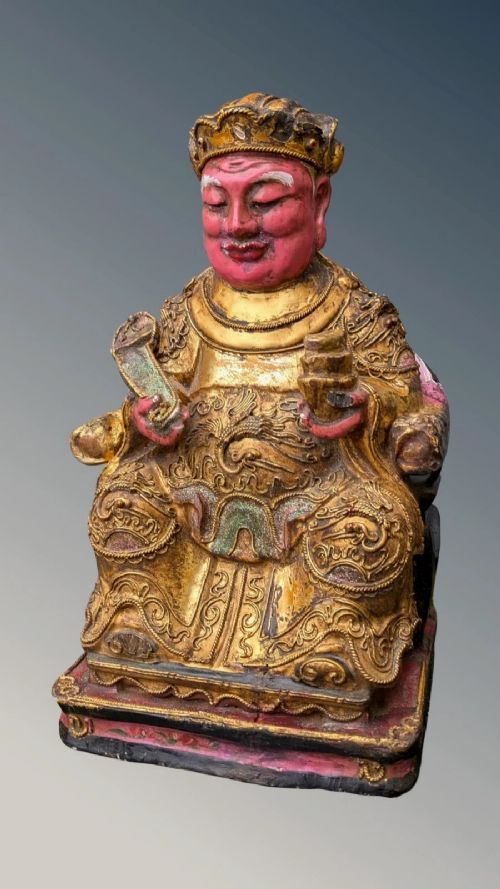
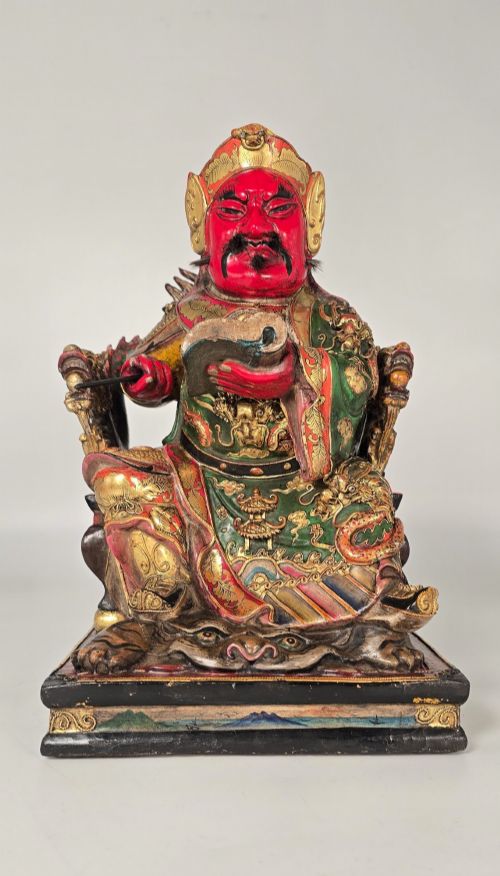
These pieces of oriental wood carving figure span centuries of craftsmanship, offering tactile depictions of deities, scholars, and animals carved from dense hardwoods and root wood.
Oriental Wood Carving Figure
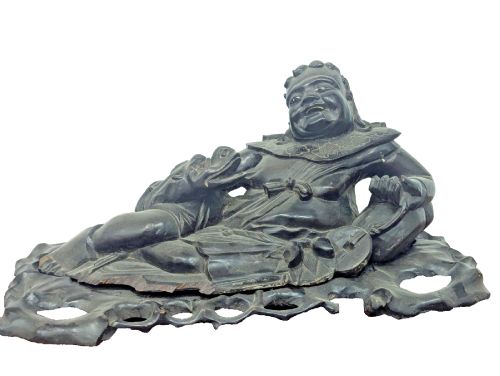
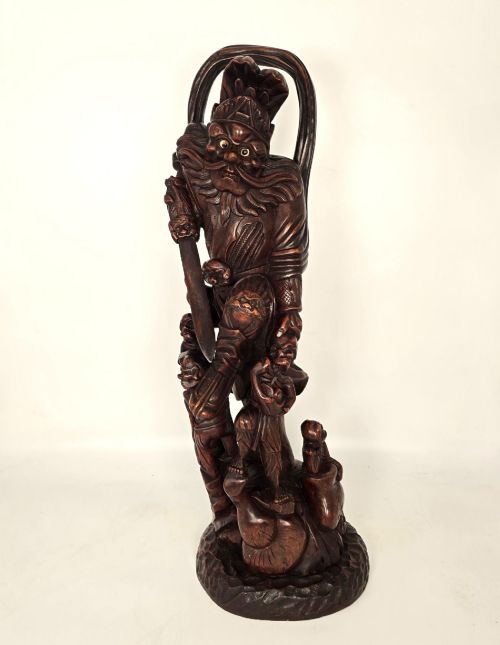
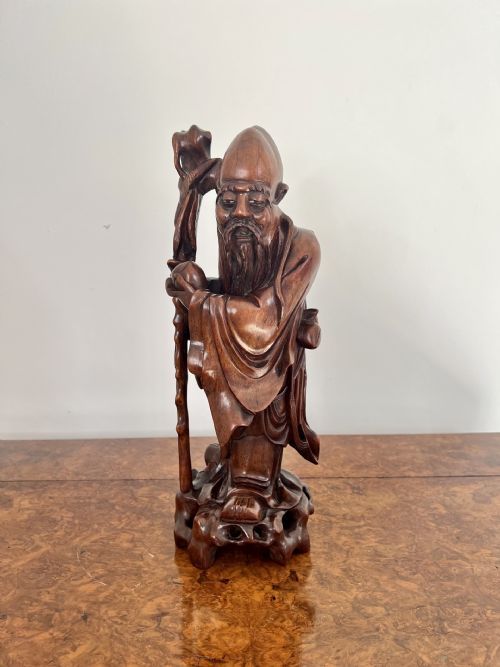
When you search for an oriental wood carving figure, you encounter sculptural works originating predominantly from China and Japan across the nineteenth and early twentieth centuries. These objects range from monumental temple guardians and Buddhist deities to intimate okimono, scholars, and animals.
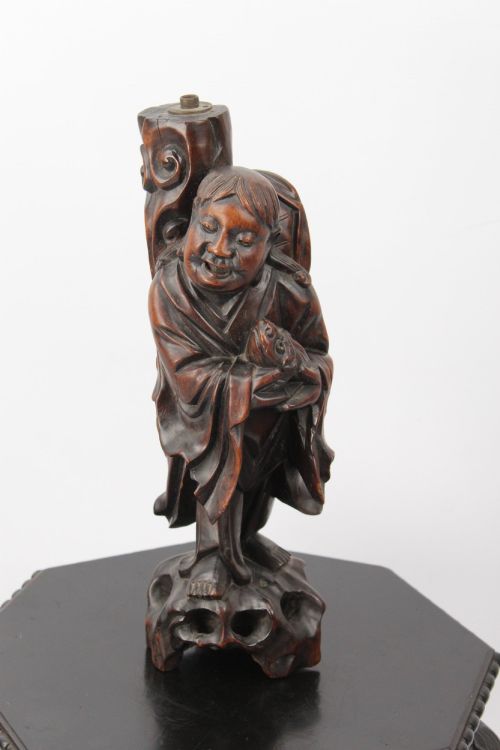
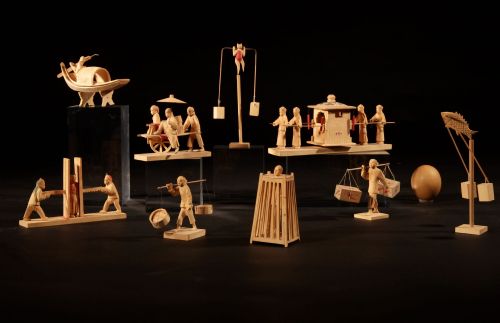
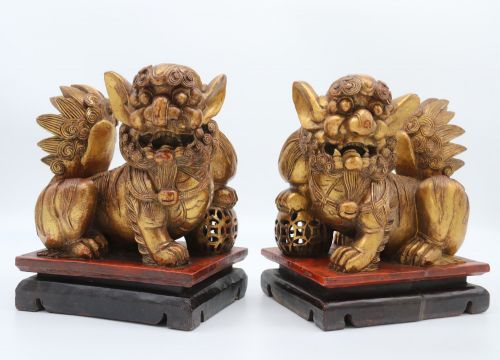
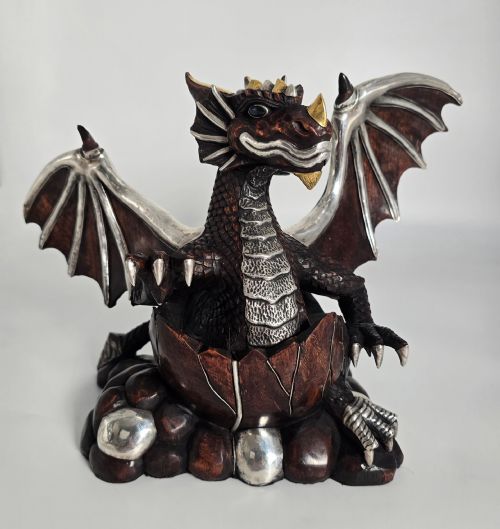
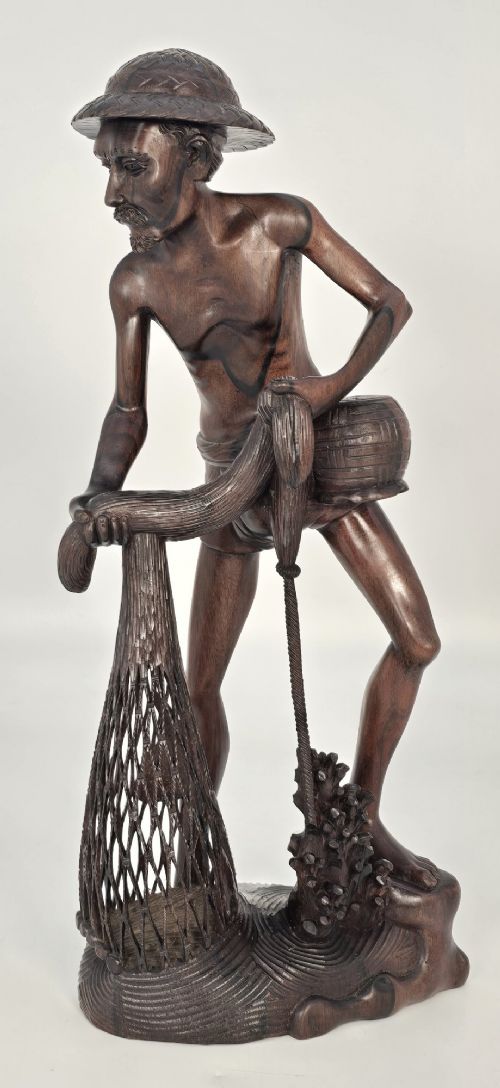
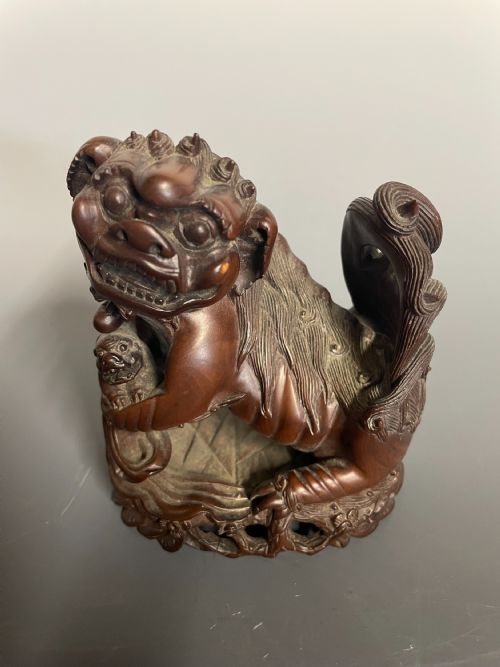
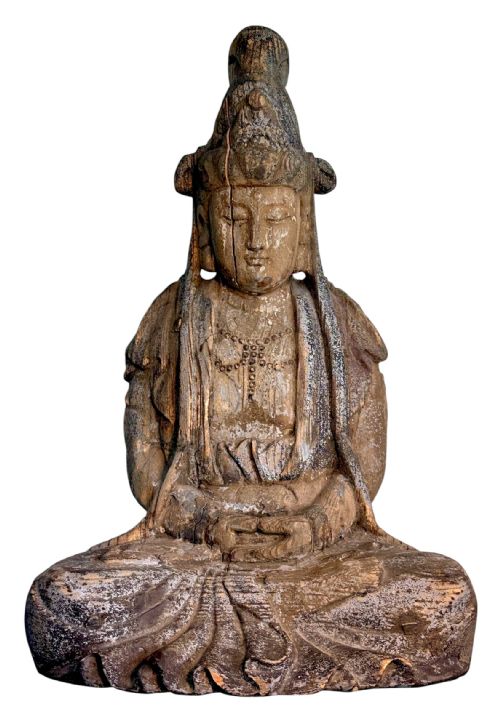
The versions most commonly met on this page include hardwood carvings of fishermen, deities such as Guanyin or Buddha, and mythical creatures like Foo dogs and dragons. Forms also stretch to root wood table lamps, bamboo figures, and figures integrated into tobacco boxes.
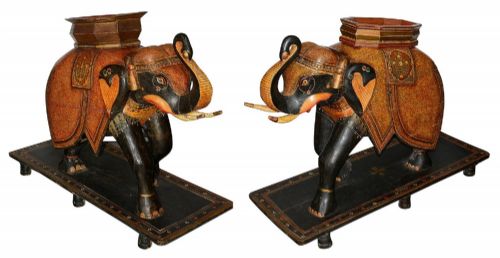
Origins trace through the Qing Dynasty in China and the Meiji period in Japan, alongside regional variations from Kashmir and Anglo-Indian workshops. Each piece reflects the traditional iconography, religious practices, and secular daily life of its specific period of origin.
Materials and Methods
Carvers utilised dense materials such as hardwood, boxwood, bamboo, and root wood, often selecting gnarled natural roots to follow organic shapes for figures of scholars and animals. Hardwood provided the structural integrity required for large temple figures and guardian kings.
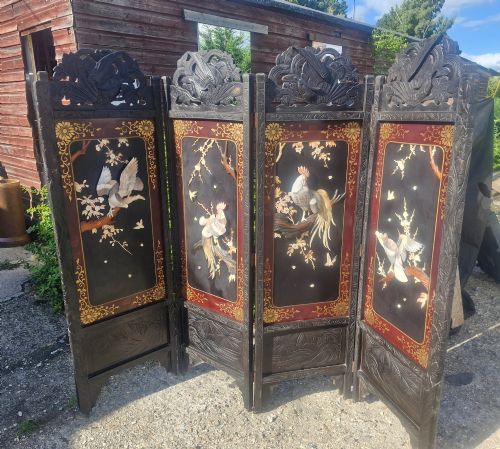
Surface finish often involved polychrome paint, gold leaf, gesso, and lacquer applied over the carved wood to add colour and detail. Some pieces incorporated mixed metal mounts or deep carved bone elements to enhance contrast and texture.
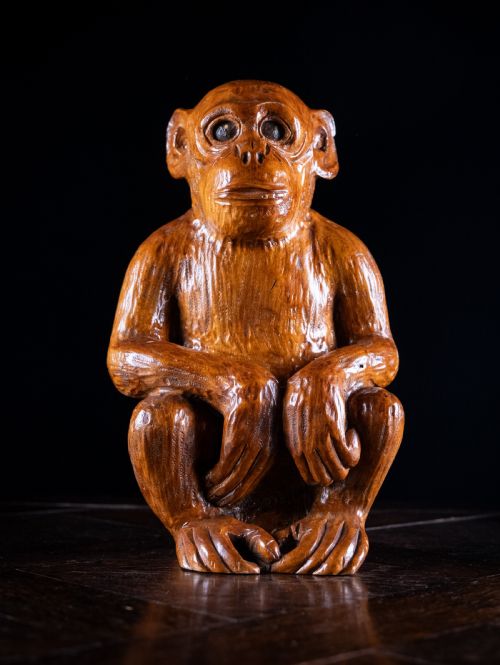
Several carvings capture monkeys and water buffaloes caught mid-mischief, proving carvers enjoyed humour as much as reverence.
Assessing Quality
The preservation of original surface treatments such as polychrome pigment, gold leaf, and lacquer heavily influences the integrity of a piece. Traces of early hand-painting and untouched patination indicate higher retention of original character.
The Oriental Wood Carving Figure Glossary
- Okimono
- A Japanese ornamental carving intended for display, typically small in scale. These figures frequently depict daily life, folklore, or historical personages.
- Root wood
- Timber sourced from the root system of a tree, prized for its gnarled, twisting grain. Carvers shaped figures and scholars to follow these natural contours.
- Foo dog
- A traditional guardian lion depicted in pairs outside temples and palaces. They symbolise protection and are commonly carved from hardwood or stone.
- Lokapala
- A Guardian King in Buddhist tradition who protects one of the four cardinal directions. These figures appear as formidable warriors in monumental carvings.
- Gesso
- A plaster-like mixture applied to wood surfaces as a base for paint or gold leaf. It creates a smooth ground for decorative polychrome details.
Oriental Wood Carving Figure: Frequently Asked Questions
What materials were used?
Carvers utilised various timbers including dense hardwood, boxwood, bamboo, and organic root wood. Surfaces were frequently enhanced with lacquer, gold leaf, gesso, and polychrome paint.
Some examples also integrated mixed metal mounts or carved bone details to accent the wooden structure.
How do I date these carvings?
Dating relies on stylistic markers associated with specific eras such as the Qing Dynasty or the Japanese Meiji period. Material patination, tool marks, and the wear on original polychrome or gilt surfaces offer further chronological clues.
Comparative analysis with documented temple figures and okimono helps narrow down the decade of production.
Where were these pieces made?
The majority originate from workshops and temples in China and Japan, spanning traditional regional styles. Other pieces reflect influences from Kashmir and Anglo-Indian craftsmanship.
Production centres ranged from large urban workshops to monastic environments.
How should I care for wooden figures?
Keep wooden sculptures away from direct sunlight and sudden temperature fluctuations to prevent the wood from splitting. Dust gently with a dry, soft cloth without applying liquid polishes that might damage historic lacquer or paint.
Maintaining a stable indoor humidity preserves both the timber and any applied gesso or gold leaf.