



Traditional Asian Folk Carving
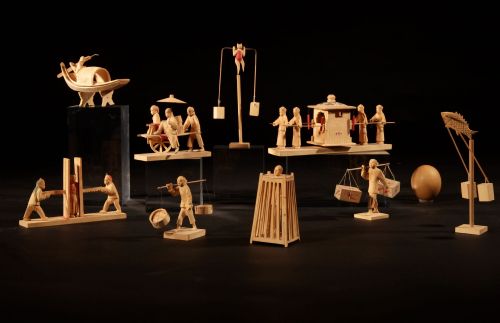
These pieces of traditional asian folk carving bring the character of village workshops and local rituals directly into a room.
Traditional Asian Folk Carving
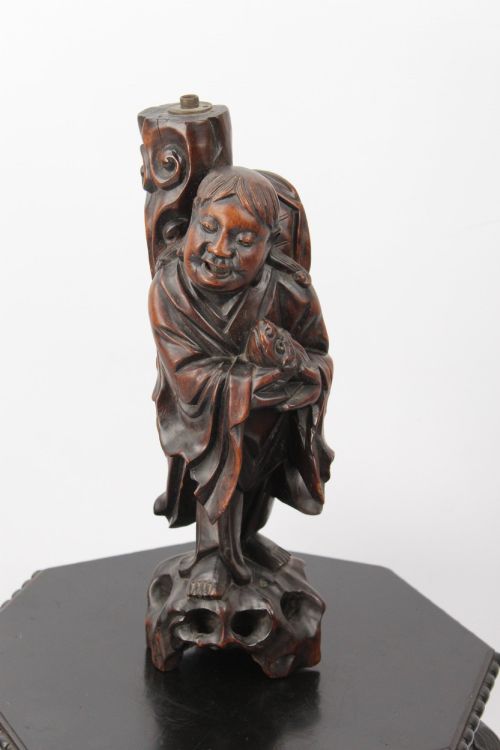
Traditional asian folk carving encompasses a diverse range of wooden sculptures, chests, and wall plaques created across various regions including China, India, Bali, and Japan. When you search for traditional asian folk carving, you encounter figures from daily life, religious deities, and regional artefacts shaped by local cultural traditions.
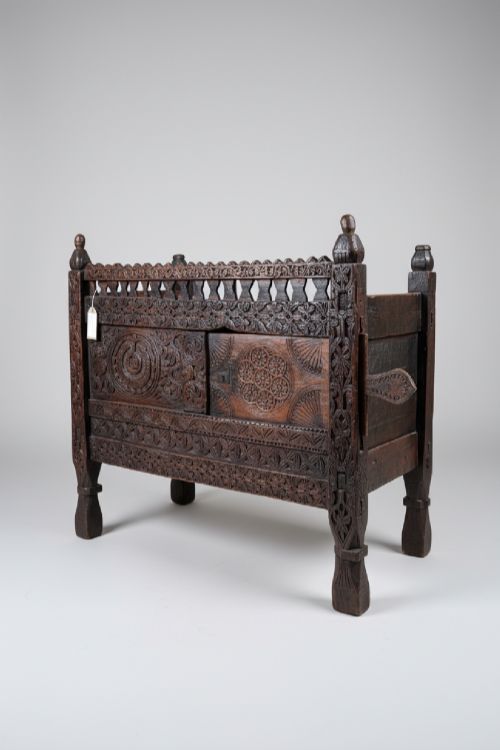
The objects available span several centuries, with pieces recorded from the eighteenth, nineteenth, and early twentieth centuries. Common forms include Daoist and Buddhist immortals, dowry chests, headdresses, and carved figures representing fishermen or dancers.
Regional styles vary distinctly, ranging from Chinese folk art and Qing Dynasty pieces to Swat Valley folk art, Balinese carvings, and Japanese Mingei works. Each piece reflects the specific utilitarian or spiritual purpose intended by its maker within its local community.
Materials and construction
Makers utilised available regional timbers, predominantly recording hardwood, cedar wood, and general carved wood for figures and panels. These materials were shaped using traditional hand tools to achieve the distinct textures and contours visible on sculptures and chests.
Surface treatments include applied lacquer, polychrome pigment, and decorative inlays of mother of pearl. Brass elements also appear on functional items such as dowry chests, adding structural and visual contrast to the carved wooden surfaces.
Traditional Asian Folk Carving Retail Price Guide 2026
Typical asking prices for traditional asian folk carving among the pieces listed under this phrase on Sellingantiques today, from the lower quarter to the upper quarter. They describe what is for sale here now, not the wider market.
One listed pack horse is remarkably patient, having carried its wooden load across a century without moving an inch.
Assessing quality
Quality in these carvings rests on the depth of the chisel work and the expressive capability of the carver. Finer examples capture complex human and divine forms with clear anatomical definition and dynamic posture, whereas simpler pieces rely on basic geometric incision.
The preservation of original surface finishes, such as polychrome pigments and aged lacquer, distinguishes superior items from those stripped or heavily restored over time. Intricate details like inlaid mother of pearl or articulated wooden components also mark out more ambitious village workshops.
The Traditional Asian Folk Carving Glossary
- Polychromed
- Decorated in several colours. This term describes wooden sculptures coated with painted pigments that have often weathered over centuries.
- Mingei
- Japanese folk craft. The term refers to art and objects created by unknown craftsmen for daily use, prioritising utility and unpretentious beauty.
- Dowry chest
- A large storage box created for a bride's household goods. These containers were often heavily carved with regional motifs and structural brass fittings.
- Headdress
- A decorative covering worn on the head during ceremonies. Examples include ritual wooden masks used in traditional dance performances.
Traditional Asian Folk Carving: Frequently Asked Questions
What is traditional asian folk carving?
Traditional asian folk carving consists of handmade wooden objects, figures, and chests produced by regional artisans for local use, worship, or daily life.
These pieces reflect the cultural practices and artistic styles of specific communities across Asia, dating from the eighteenth century onwards.
How were these wooden carvings used?
Many items served practical or spiritual functions within households and temples, acting as religious icons, storage vessels, or ceremonial attire.
Figures of immortals and deities held devotional purposes, while items like dowry chests and wall plaques fulfilled domestic roles in daily village life.
How do I date an antique carving?
Dating relies on observing the tool marks, timber shrinkage, and the natural patina developed on exposed wood over generations.
Stylistic markers associated with specific periods, such as Qing Dynasty aesthetics or early twentieth-century folk traditions, also help establish an approximate age.
How should I care for antique wood?
Antique wood requires stable indoor humidity and protection from direct sunlight to prevent the timber from drying out or splitting.
Avoid using modern chemical polishes; a gentle dusting with a soft, dry cloth is sufficient to maintain the surface condition.