





Oriental Wall Plaques
Oriental wall plaques bring together intricate cloisonne enamel work, carved timber panels and hand-painted porcelain from Asian traditions into decorative displays.
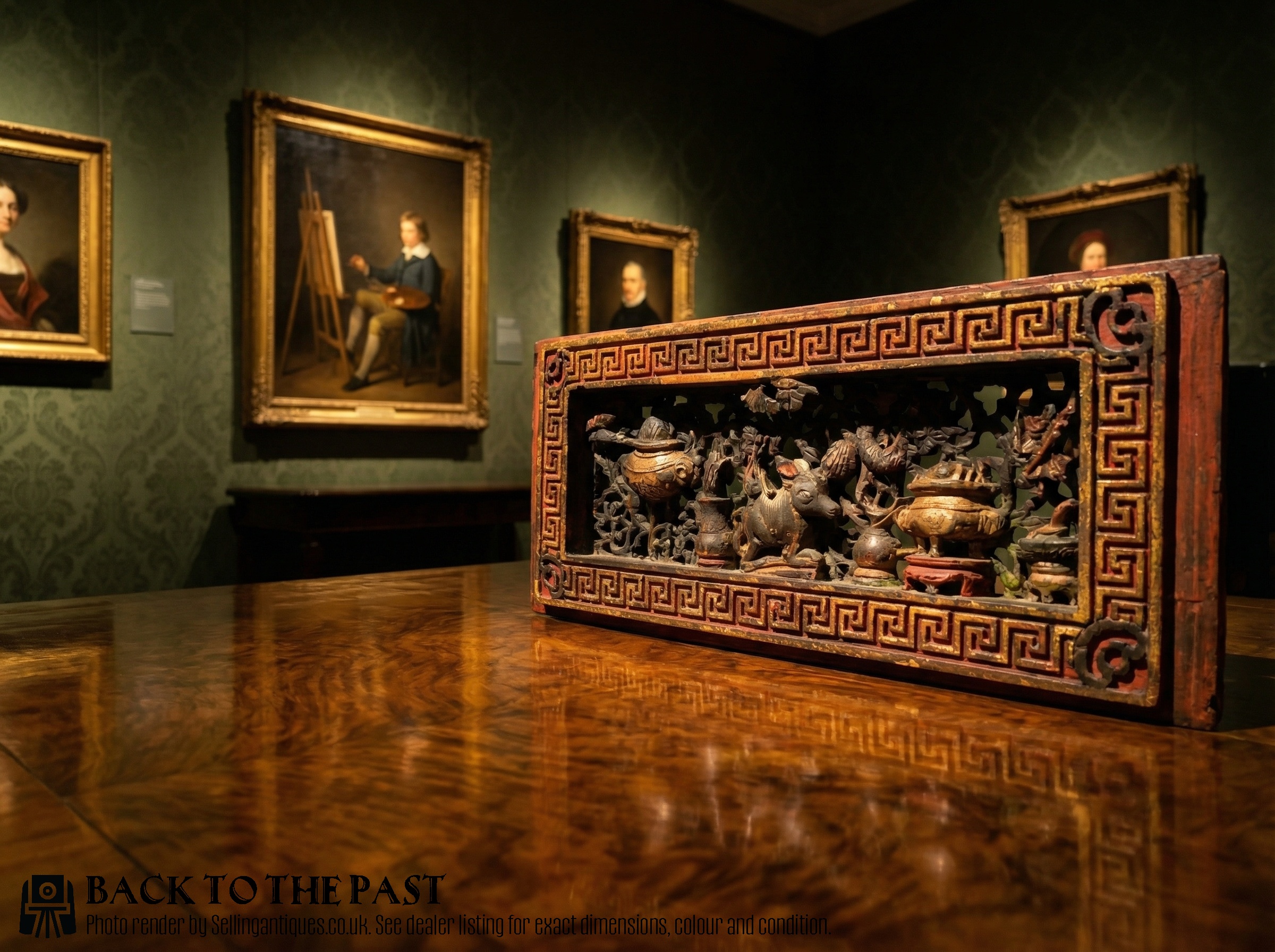
Oriental Wall Plaques
Oriental wall plaques encompass decorative chargers, framed porcelain panels, carved wooden temple sections and lacquer roundels originating from Japanese, Chinese, Burmese and Islamic makers. These items served primarily as interior ornamentation, transforming blank vertical surfaces with rich imagery drawn from nature and folklore.
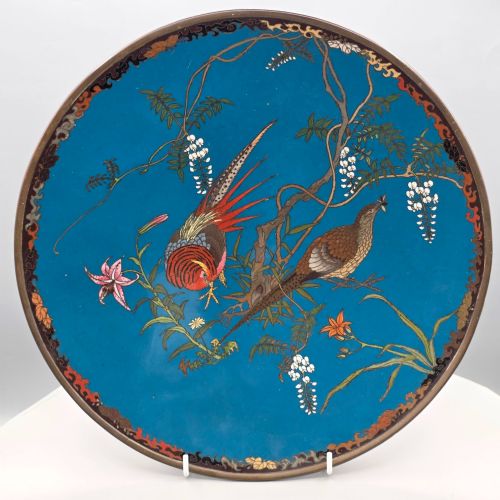
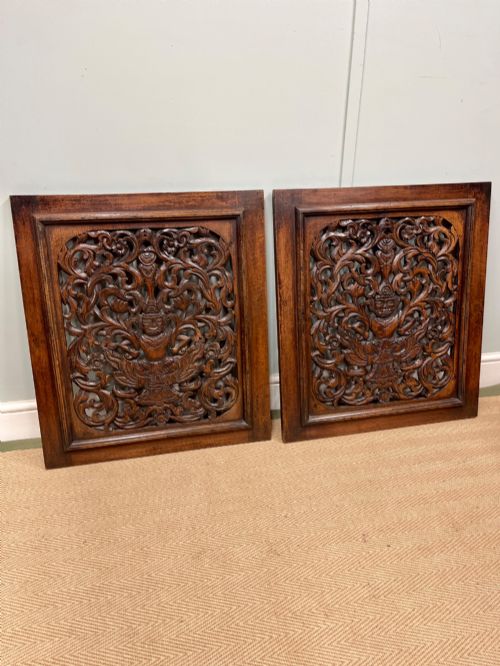
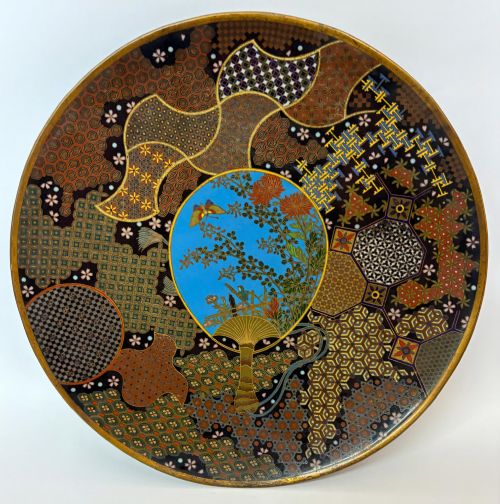
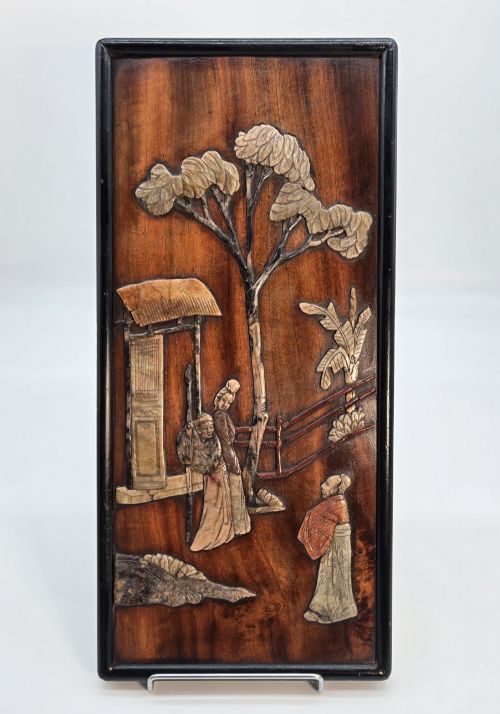
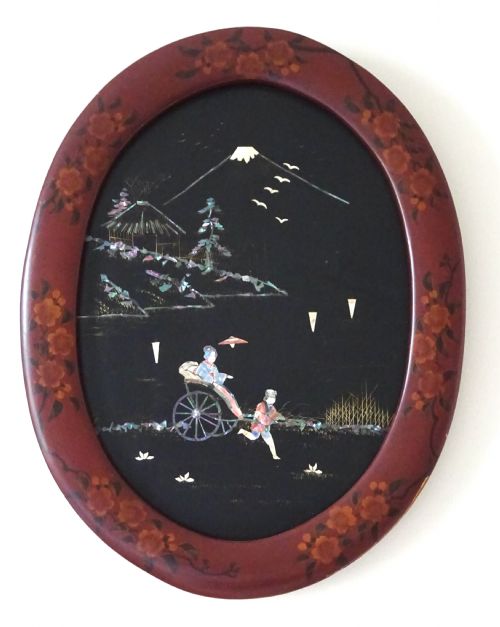
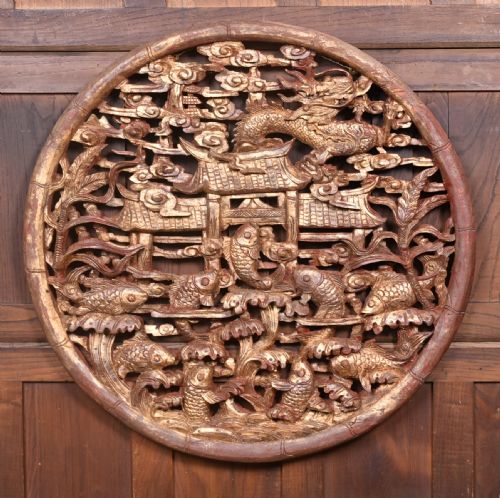
The selections available here lean heavily toward Japanese cloisonne enamel chargers from the Meiji and Edo periods, alongside Chinese carved wooden panels and mother-of-pearl inlaid red lacquer frames. Buyers encounter round chargers depicting dragons, koi, and birds alongside rectangular timber panels and framed stone pictures.
Origins stretch from the eighteenth century through to the mid-twentieth century, capturing shifts in aesthetic production across diverse Asian centres. Japanese items often display intricate metalwork and enamel, whilst Chinese examples emphasise deep wood carving and lacquer work.
How they were made
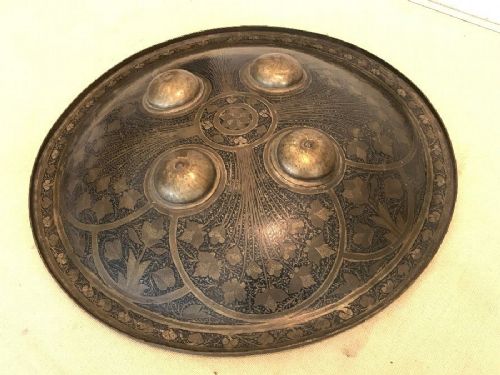
Makers utilised copper bases for cloisonne enamel work, soldering thin metal wires to form cells that were subsequently filled with coloured enamel pastes and fired. Iron and brass served similarly for metal dishes, often enhanced with gold and silver inlay executed in specialised workshops.
Woodworkers carved teak, gilt wood and assorted timber panels by hand, frequently incorporating mother-of-pearl and abalone shell inlay to build contrasting pictorial details. Lacquer pieces required multiple layers of resin applied to wooden cores, dried, and polished before receiving detailed painting or inlaid decoration.
Porcelain panels and chargers received hand-painted mineral pigments underglaze or overglaze before kiln firing to fix the colours permanently. Stone framing and bronze casting added structural weight and alternative textural contrast to the lighter timber and lacquer works.
Listings feature items spanning the eighteenth through the twentieth centuries, utilising materials from copper and brass to mother-of-pearl and gold leaf.
What varies in quality
The precision of wire placement and the absence of pitting or discolouration in the enamel surface separate standard cloisonne chargers from superior examples. Masterpieces show microscopic detail in subjects like feathers, scales, and floral arrangements, executed with absolute symmetry and control.
Carved wooden panels differ according to the depth of relief and the crispness of the chisel work, where superior pieces reveal distinct muscular definition in figures and delicate layering in foliage. Inlaid elements such as mother-of-pearl fit flush within their carved recesses rather than relying on heavy adhesive fillers.
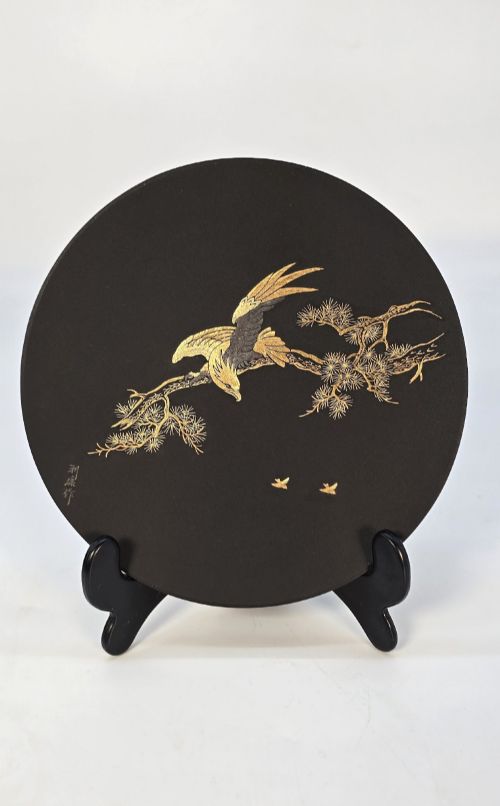
The complexity of the composition and the presence of artist signatures or specific workshop attributes elevate individual roundels and plates above utilitarian decorative items. Surface preservation, particularly the stability of lacquered layers and the retention of original gold leaf gilding, dictates overall grade.
The Oriental Wall Plaques Glossary
- Cloisonne
- A decorative metalwork technique where thin wires form raised barriers on a copper base to contain coloured enamel pastes. These cells are fired and polished to create a smooth, patterned surface.
- Charger
- A large decorative plate intended for display on walls or surfaces rather than dining use. They frequently feature elaborate pictorial scenes executed in enamel, metal inlay, or porcelain.
- Meiji Period
- A Japanese historical era spanning from 1868 to 1912 noted for the opening of trade and rapid advancement in decorative arts for export. Pieces from this time often exhibit exceptional technical mastery in metal and enamel.
- Imari
- A style of Japanese porcelain characterised by underglaze blue and overglaze iron red, gold, and auxiliary colours. These items were widely produced for both domestic use and Western trade.
- Lacquer
- A durable natural resin applied in numerous thin coats to a wooden base to produce a smooth, glossy protective surface. It provides a stable dark ground for mother-of-pearl and gold leaf pictorial inlay.
Oriental Wall Plaques: Frequently Asked Questions
Can these plaques be displayed in direct sunlight?
Direct sunlight causes fading in organic pigments, lacquered surfaces, and mother-of-pearl inlay over extended periods. Positioning these items away from south-facing windows preserves the vibrant colour saturation of cloisonne enamel and hand-painted porcelain panels.
Indirect ambient light remains safest for displaying mixed-metal dishes and carved wooden panels. Rotating pieces periodically within a room also helps ensure even environmental exposure.
How should I clean antique lacquer and cloisonne?
Dusting gently with a soft, dry microfibre cloth removes surface particles without scratching delicate metal wires or polished lacquer. Avoid using water, chemical solvents, or commercial polishes on enamel, wood, or shell inlay.
Stubborn grime on metal surfaces requires professional conservation rather than home cleaning methods. Moisture can seep into tiny fractures in lacquer or unsealed wood backs, leading to warping or lifting.
What indicates a Meiji period Japanese piece?
Meiji period items typically display exceptional technical refinement, featuring dense cloisonne wiring, patinated iron with intricate gold inlay, or finely painted porcelain. The era spanned from the late nineteenth to early twentieth century during a surge in Japanese export craftsmanship.
Signatures or maker marks incorporated into the design often point to specific workshops active during this era. The subject matter frequently blends traditional iconography like dragons and samurai with highly realistic depictions of birds and flora.