




Oriental Vase Table Light
An oriental vase table light brings together distant craft traditions and practical interior illumination.
Oriental Vase Table Light
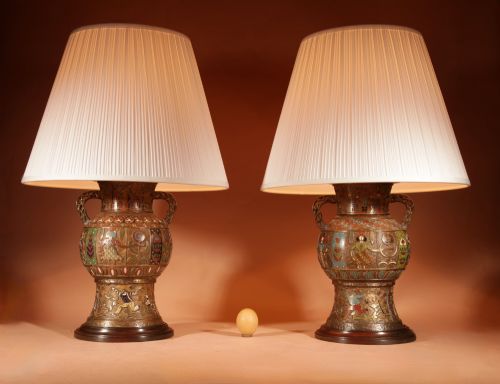
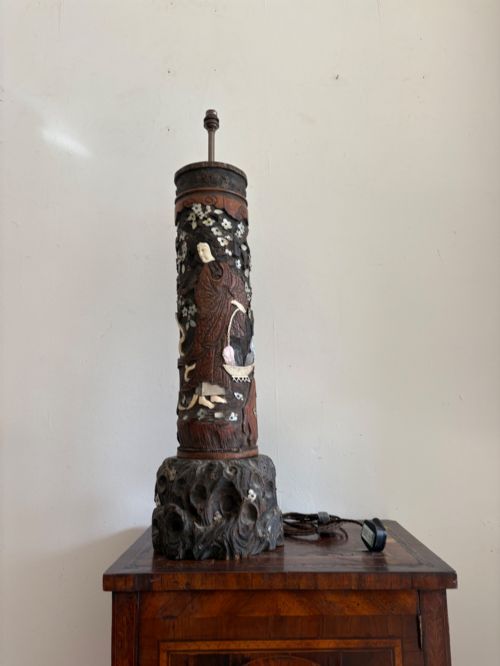
An oriental vase table light transforms a decorative vessel into a functional source of room illumination. Buyers seeking an oriental vase table light encounter repurposed containers originating primarily from China and Japan.
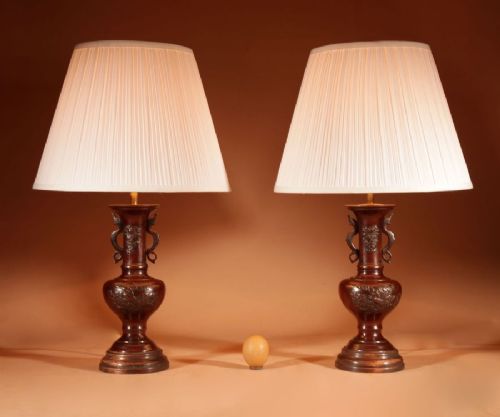
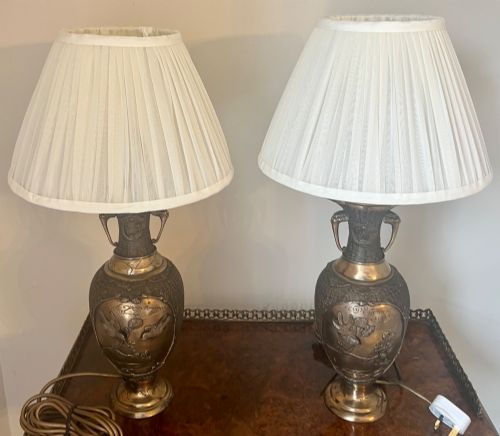
The pieces found here span centuries of manufacturing, with nineteenth-century examples and Meiji period bronzes appearing most frequently. Conversion from vessel to lamp often happens later in the history of the object, adapting historical ceramics and metalwork for modern domestic spaces.
Materials and construction
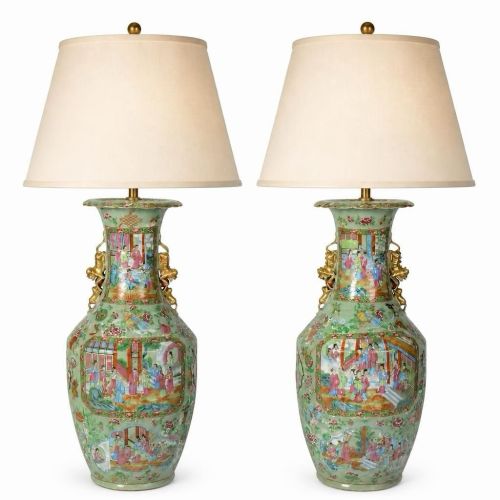
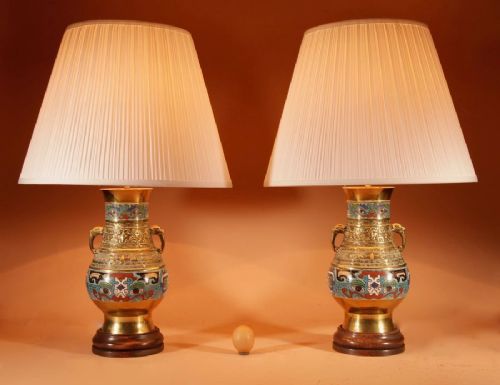
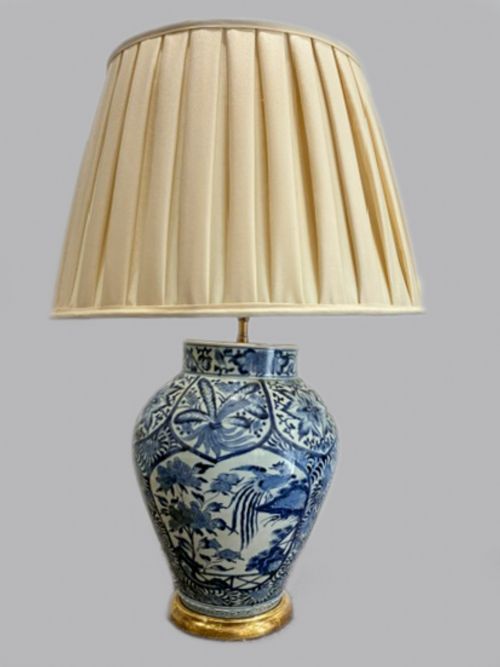
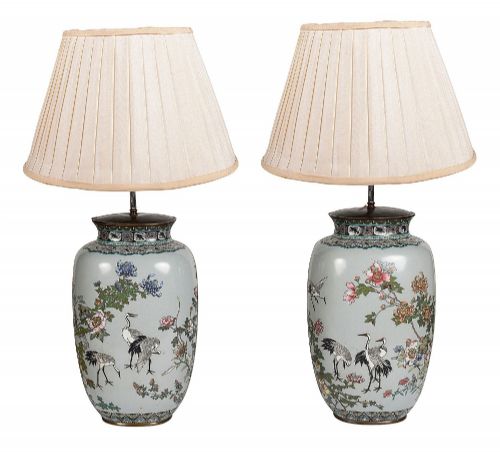
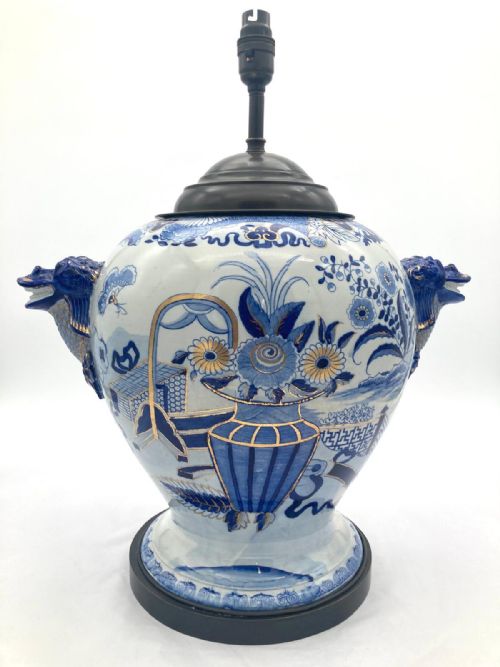
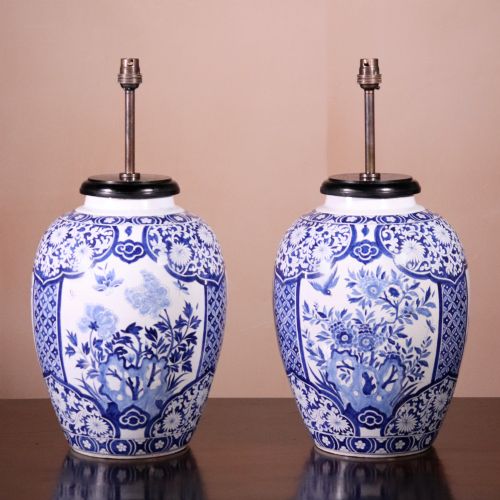
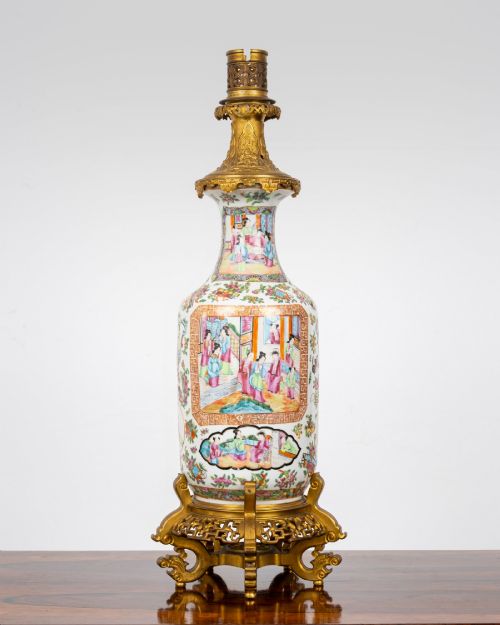
Makers utilise durable materials such as bronze, brass, ironstone, and ceramic for the main body of the vessel. Surfaces often display intricate details through cloisonné enamel, champlevé work, or hand-painted porcelain palettes including famille rose and blue and white.
Metal mounts in brass, gilt bronze, or ormolu secure the electrical components to the top and base of the antique vessel. Fabric shades complete the construction, diffusing the light cast from the central column.
Listings feature ceramics and bronzes from the seventeenth century through to the early twentieth century, including Meiji period and Qing dynasty pieces.
Quality factors
The sophistication of the hand-painted decoration on porcelain or the precision of wirework in cloisonné enamel separates standard production from superior pieces. Crisp casting on bronze dragons and champlevé patterns indicates skilled workshop output.
Proportion between the original vessel and the added metal mounts determines the visual balance of the finished lamp. Cohesive integration of mounts and wiring preserves the integrity of the antique container without disrupting its original form.
The Oriental Vase Table Light Glossary
- Champlevé
- Enamelling technique where troughs are dug into a metal surface and filled with vitreous enamel before firing. This method creates bold coloured patterns across bronze lamp bodies.
- Cloisonné
- Decorative work in which enamel is applied to compartments created by soldered wires on a metal base. The technique produces intricate multicoloured designs on vases.
- Satsuma
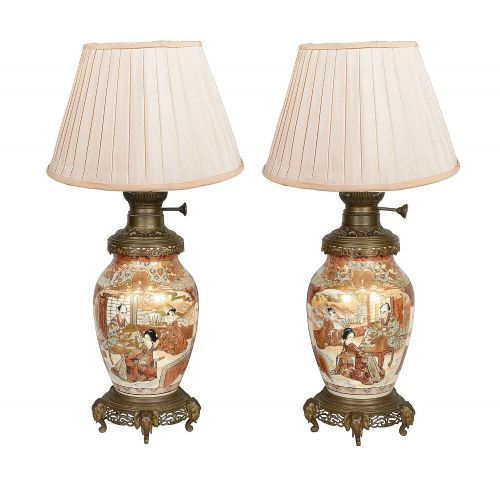
- Japanese pottery type characterised by a crackled ivory glaze and polychrome enamel decorations. Satsuma vessels frequently serve as the base for table lights.
- Famille Rose
- Chinese ceramic palette distinguished by opaque pink enamel introduced during the Qing dynasty. This colour scheme appears across numerous nineteenth century vase lamps.
- Ormolu
- Gilded bronze ornamentation applied to furniture and decorative objects. Ormolu mounts often frame the base and collar of converted porcelain vases.
Oriental Vase Table Light: Frequently Asked Questions
How do I choose an oriental vase table light?
Consider the scale of the room and the height of surrounding furniture before selecting a lamp body. Taller porcelain vases require sturdy side tables, while smaller bronze vessels fit narrow spaces.
Match the colour palette of the ceramic or enamel to your existing interior design scheme. Blue and white porcelain or subtle bronze finishes adapt easily to various decorating styles.
Where should I place these lamps?
Position these lamps on side tables in living rooms, on console tables in hallways, or as bedside lighting. Their decorative presence suits spaces where you want both ambient light and an antique focal point.
Ensure the surface is stable and capable of supporting the combined weight of ceramic or bronze bodies and metal mounts. Keep cords neatly arranged behind furniture to maintain a tidy appearance.
How do I date these pieces?
Examine the style of the decoration, the type of ceramic body, and manufacturing marks where visible. Nineteenth century pieces often display distinct famille rose or blue and white painting styles.
Consider the metalwork techniques used for mounts and handles. Meiji period bronzes and nineteenth century ormolu fittings reflect the manufacturing standards of their respective eras.
How are vessels converted into lamps?
Conversion typically involves running an electrical cord through a drilled base or securing a wired stem through the neck of the vessel. Metal mounts stabilise the electrical fittings without permanently damaging the ceramic body.
Many antique vessels retain their original form beneath the added hardware. Professional rewiring ensures the lamp meets modern electrical safety standards while preserving the antique vessel.