
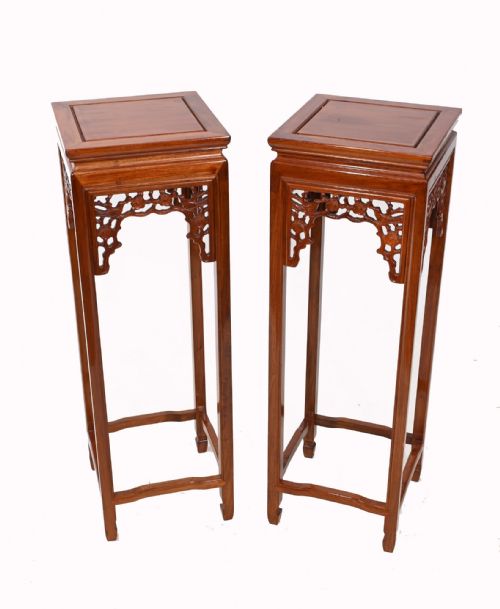

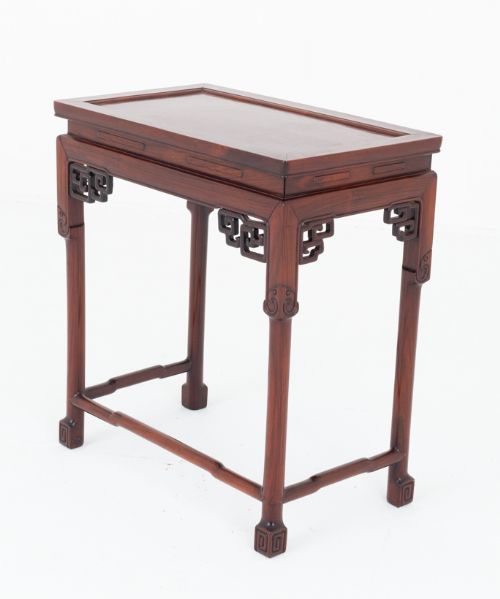


Oriental Style Display Table
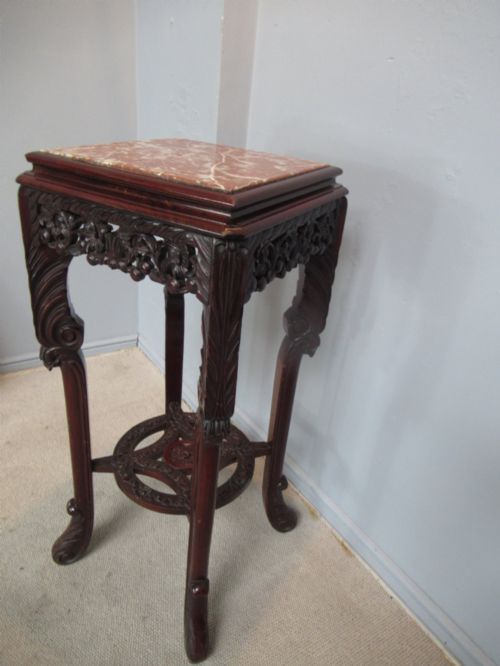
An oriental style display table brings a distinct architectural presence and rich timber grain to an interior.
Oriental Style Display Table
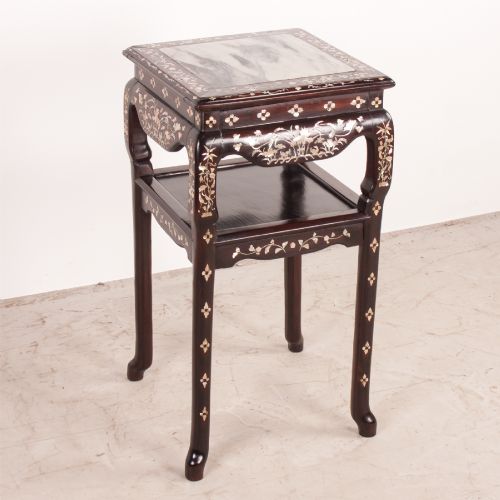
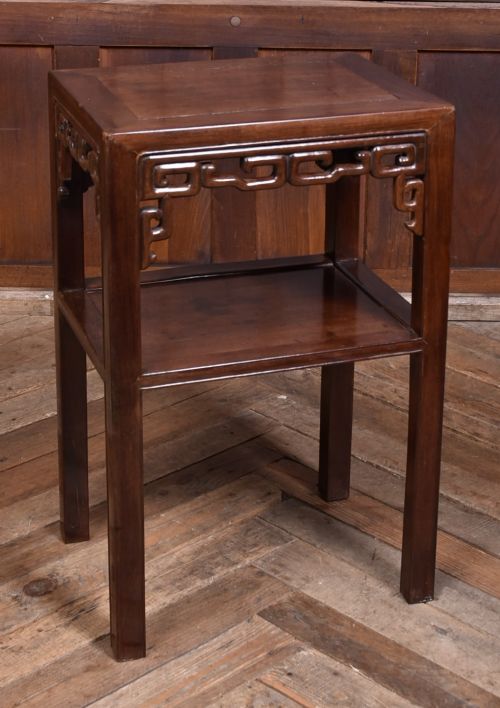
An oriental style display table encompasses diverse forms such as plant stands, occasional tables, jardiniere stands, and altar tables. These pieces emerge across periods from the Regency era through to the early twentieth century.
Buyers encounter traditional Chinese designs alongside Victorian interpretations influenced by Japonisme and the Aesthetic Movement. The selection ranges from compact occasional tables to substantial pedestals and cabinets on stands.
Such furniture serves practical roles as lamp, wine, or side tables while functioning primarily to elevate decorative objects. The forms reflect both export traditions and European adaptations of Asian motifs.
How they were made
Cabinetmakers utilise dense timbers including rosewood, amboyna, and ebonised wood alongside flexible bamboo and rattan. Hardwood frames frequently incorporate inset rouge marble or porcelain panels.
Decoration relies on intricate mother of pearl inlay, detailed carving, lacquer work, and penwork. Cinnabar lacquer and surface carving define the specific surface textures found across these items.
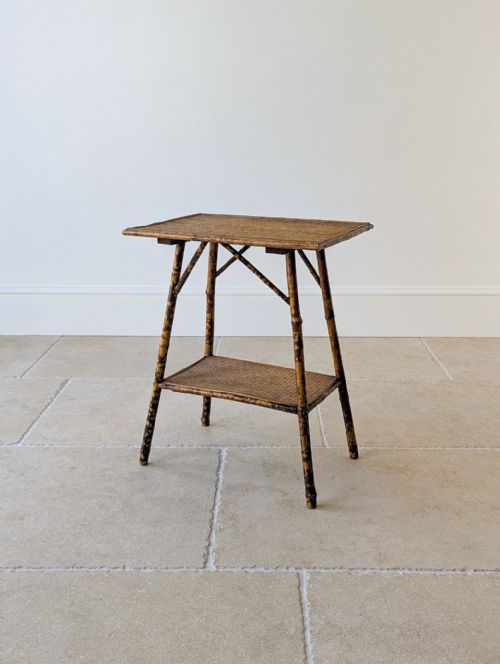
A nineteenth-century table hides its international identity behind genuine bamboo stalks while pretending to hold afternoon tea.
What varies in quality
The choice of primary timber dictates the baseline standard, with dense rosewood and heavy hardwoods representing the upper tiers of production. Finer items exhibit precise joinery that maintains structural stability without relying on modern fasteners.
Surface ornamentation separates standard output from superior examples through the depth of carving and the precision of mother of pearl inlay. The integration of inset marble tops and specialised lacquer finishes marks the distinction between everyday items and bespoke commissions.
Gabriel Viardot·Liberty and Co
The Oriental Style Display Table Glossary
- Japonisme
- A late nineteenth-century European artistic movement that integrated Japanese aesthetics and design principles into decorative arts. This influence appears in furniture through asymmetrical layouts and bamboo construction.
- Jardiniere stand
- A tall, slender table designed specifically to support a flower pot or plant container. These stands feature reinforced tops to bear the weight of heavy ceramic vessels.
- Cinnabar lacquer
- A decorative technique involving numerous layers of red lacquer carved with intricate low-relief patterns. This labor-intensive method creates a tactile, durable surface.
- Penwork
- A surface decoration technique utilising ink or burnt lines to draw detailed motifs onto timber. Regency examples often employ this method to imitate more costly Asian lacquer work.
- Altar table
- A traditional Chinese form characterised by upturned ends and elongated proportions. Originally intended for ritual use, these tables function as side or console surfaces in modern interiors.
Oriental Style Display Table: Frequently Asked Questions
How are oriental style display tables used?
These tables function as side surfaces, lamp tables, or dedicated pedestals for displaying ceramics, plants, and decorative objects. Their varied heights allow them to fit into corners or act as focal points in reception rooms.
Taller stands elevate specific items to eye level, while lower occasional tables serve beside seating areas. Their compact footprints make them adaptable for modern room layouts.
What distinguishes Victorian bamboo tables?
Victorian bamboo pieces reflect the nineteenth-century fascination with Asian design through lightweight cane frames combined with lacquer or leather panels. They merge British manufacturing methods with oriental decorative motifs.
These tables often incorporate shelves and tiled or lacquered tops. They demonstrate the aesthetic movement's preference for functional items with exotic character.
Where do marble top stands originate?
Marble top stands combine sturdy hardwood frames with inset stone slabs designed to resist moisture from plants and drinks. This construction appears in both Chinese export pieces and Victorian adaptations.
Imported marble provided a cool, durable surface that contrasted with carved rosewood or ebonised timber. The stone sits flush within the wooden framework to create a stable display area.