
Oriental Style Desk
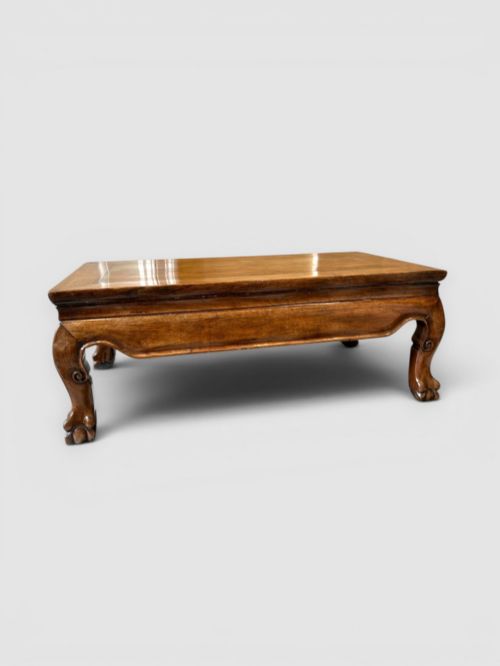
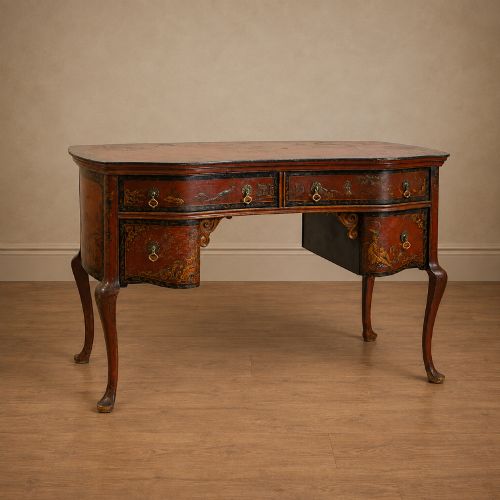
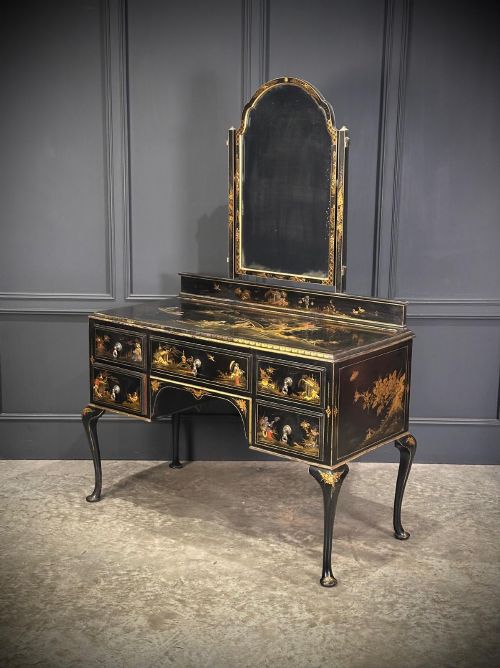
An oriental style desk brings together lacquer, carved wood and painted decoration from the eighteenth century to the mid-twentieth century for daily writing.
Oriental Style Desk
An oriental style desk spans bureau bookcases, stationary desk tidies and writing bureaux created in styles from Chinoiserie to Edwardian Chinoiserie. These pieces emerge across periods ranging from the eighteenth century to the 1930s.
The selection frequently encounters lacquered finishes and fitted compartments intended for correspondence. Hardwood and elm structures provide the stable carcasses for these writing surfaces.
Makers and workshops drew upon Chinese and Japanese design traditions to shape writing furniture for Western interiors. The resulting forms combine European desk proportions with Eastern decorative motifs.
Materials and Construction
Wood forms the primary body of these desks, utilising elm, hardwood and lacquered timber. Artisans applied layers of lacquer to build up smooth finishes capable of holding painted scenes.
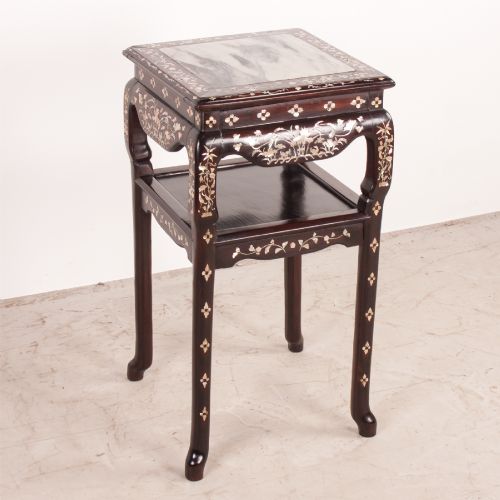
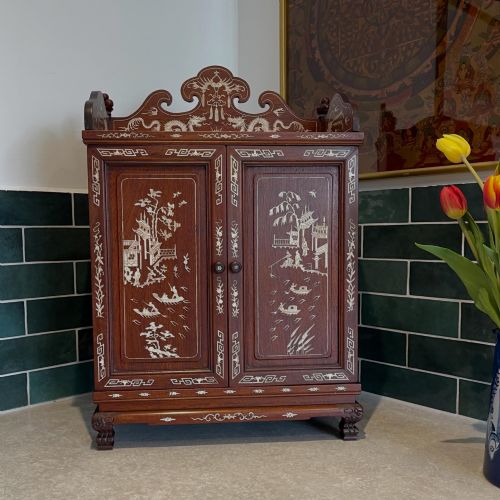
Surface ornamentation relies on hand-painted details, gilt motifs and inlays of mother of pearl. Structural joinery uses traditional framing methods suited to supporting heavy writing lids and interior drawers.
Stationary desk tidies offer tiny compartments designed to house nineteenth-century inkwells and quill pens.
Evaluating Execution
Quality rests in the depth of the lacquer layers and the precision of the hand-painted or inlaid detail across the writing surface. Superior examples maintain crisp edges on carved elements and smooth movement within internal bureau drawers.
The integrity of the timber carcass and the preservation of the original painted decoration determine the standing of each piece. Finer items display harmonious proportions between the exterior case and the fitted interior compartments.
The Oriental Style Desk Glossary
- Chinoiserie
- European decorative style reflecting Chinese artistic traditions. This aesthetic appears frequently on lacquered furniture and desk surfaces.
- Bureau
- A sloping desk with a hinged lid that folds down to create a writing surface. It conceals small drawers and pigeonholes inside.
- Lacquer
- A durable resin finish applied in multiple layers and polished to a smooth sheen. Artisans often decorated these surfaces with gold paint or inlaid materials.
- Hardwood
- Dense timber from deciduous trees utilised for furniture frames. Elm and other regional variants provide strength for desks and tables.
Oriental Style Desk: Frequently Asked Questions
How do I clean a lacquered desk surface?
Dust gently with a soft, dry cloth to protect the delicate finish. Avoid chemical polishes and damp cloths that can lift the lacquer.
Keep the timber away from direct sunlight and heat sources to prevent the painted decoration from cracking over time.
What periods do these writing desks come from?
The pieces span from the eighteenth century through the Georgian and Victorian eras into the Edwardian period and the 1930s. Each era brought distinct interpretations of Eastern design.
Earlier examples often feature hand-applied lacquer while later pieces embrace Edwardian Chinoiserie interpretations.
Are these desks suitable for daily writing?
Many items include functional drop-down lids and internal compartments designed specifically for correspondence and storage. Their robust elm and hardwood frames support regular use.
Care should be taken with historical writing surfaces by using a blotter or pad to protect the lacquer finish from scratches.