





Oriental Round Table
An oriental round table brings centuries of craftsmanship into a room, offering both decorative presence and practical utility across various living spaces.

Oriental Round Table
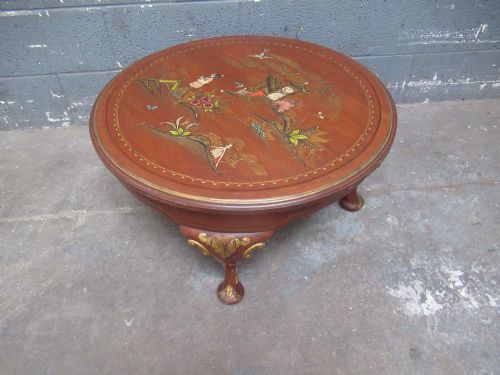
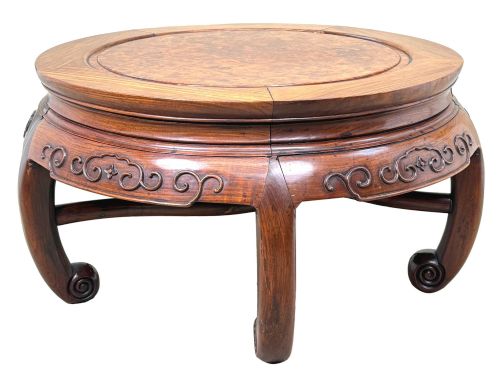
When you search for an oriental round table, you encounter a diverse array of pieces spanning the nineteenth and early twentieth centuries, reflecting various regional influences and workshops. These items typically function as coffee tables, occasional tables, centre tables, and plant stands, each serving a distinct purpose within traditional and modern interiors.
You are most likely to meet low coffee tables and smaller occasional stands on this page, alongside larger centre tables suited for prominent placement. These items demonstrate the enduring appeal of Far Eastern furniture design, adapting well to contemporary homes as functional surfaces.
Materials and construction
Carpenters utilised heavy hardwoods like rosewood, huanghuali, elm, and teak, selecting timber for density, grain pattern, and structural stability. These durable woods supported intricate relief carving without compromising the integrity of the circular top or the supporting frame.
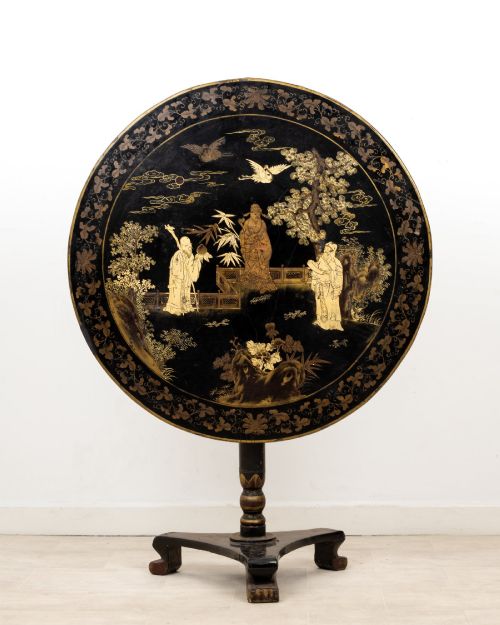
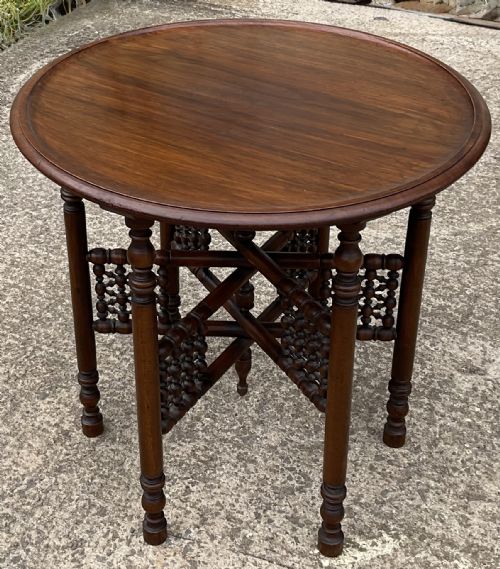
Surface decoration frequently involved traditional lacquer techniques, applying multiple coats to achieve a smooth finish, sometimes complemented by inlaid marble panels or glass tops. Artisans employed traditional joinery methods to construct folding mechanisms, tilt-top actions, and stable legs without relying on modern fasteners.
Oriental Round Table Retail Price Guide 2026
Typical asking prices for oriental round table among the pieces listed under this phrase on Sellingantiques today, from the lower quarter to the upper quarter. They describe what is for sale here now, not the wider market.
Object types range from low coffee tables and occasional stands to marble-topped centre tables and folding side tables.
Judging quality and execution
The distinction between standard items and exceptional examples lies primarily in the depth, crispness, and precision of the hand carving. Skilled artisans produced fluid dragons, foliage, and figurative motifs with sharp relief, whereas lesser pieces display shallow, generalised cutting.
Material selection also dictates overall standing, with dense rosewood or well-figured huanghuali commanding greater attention than simpler mixed woods. Furthermore, the retention of original lacquer finishes, intact marble inserts, and fully operational folding or tilt mechanisms preserves the integrity of the piece.
The Oriental Round Table Glossary
- Chinoiserie
- European decorative style reflecting Chinese artistic influences, popular across furniture and decorative arts. It often manifests in painted motifs or lacquered surfaces.
- Huanghuali
- A prized Chinese hardwood known for its rich colour and distinctive grain, frequently utilised in traditional seating and tables. It remains highly regarded among collectors of Asian furniture.
- Tilt-top
- A table mechanism allowing the circular surface to pivot vertically for storage or display when not in use. This clever engineering was common in nineteenth-century occasional furniture.
- Anglo-Indian
- Furniture produced in India during the British colonial period, combining local timber and carving traditions with European forms. Bombay presidency workshops were particularly noted for dense elephant and floral motifs.
- Demi-lune
- A half-moon shaped table designed to stand flush against a wall, though occasionally paired to form a circular surface. This versatile form appeared in nineteenth-century workshops.
Oriental Round Table: Frequently Asked Questions
How do I use a low coffee table?
Low coffee tables provide a central surface for living rooms, positioning books and decorative objects at a comfortable height relative to seating. They anchor a seating arrangement while maintaining an open sightline across the room.
Position the table centrally within your seating group, ensuring adequate clearance for movement around the circular edge. These pieces work particularly well on rugs, contrasting with upholstered sofas and armchairs.
Where should I place a plant stand?
Plant stands elevate greenery to eye level, filling empty corners and adding vertical interest to interior spaces. They provide a stable, decorative platform for ferns, floral arrangements, or sculptural vessels.
Place them near windows to provide adequate light for plants, or use them in hallways as independent decorative accents. Their compact footprint allows them to fit easily into narrow spaces.
What is a centre table used for?
Centre tables serve as focal points in large hallways, libraries, or reception rooms, often positioned away from walls to display decorative objects. They offer a generous circular surface accessible from all sides.
In period settings, these tables held lamps, books, or large floral displays to anchor the room's composition. Their substantial presence suits larger spaces where furniture can float independently.
How do I distinguish nineteenth century pieces?
Nineteenth-century pieces often exhibit hand-cut joinery, aged patina on the timber, and distinct regional carving styles. Examining the underside and interior surfaces reveals tool marks consistent with period hand production.
Materials like rosewood and elm display natural oxidation and wear patterns indicative of decades of use. Comparing the construction methods to documented examples helps confirm the era of origin.