


Oriental Porcelain Vase Lamp
An oriental porcelain vase lamp brings together centuries-old ceramic vessels and later electrical fittings to illuminate rooms with layered colour and pattern.
Oriental Porcelain Vase Lamp
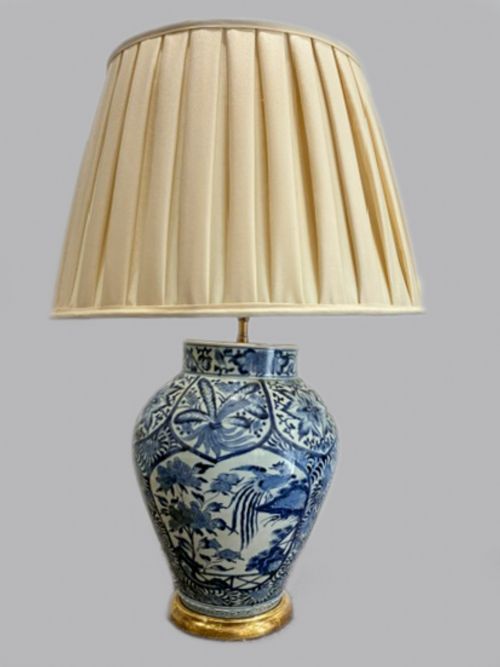
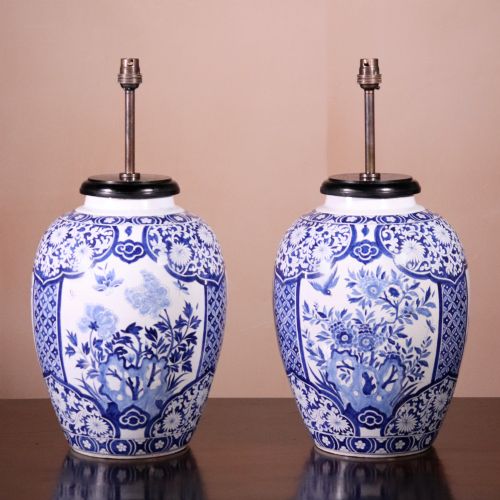
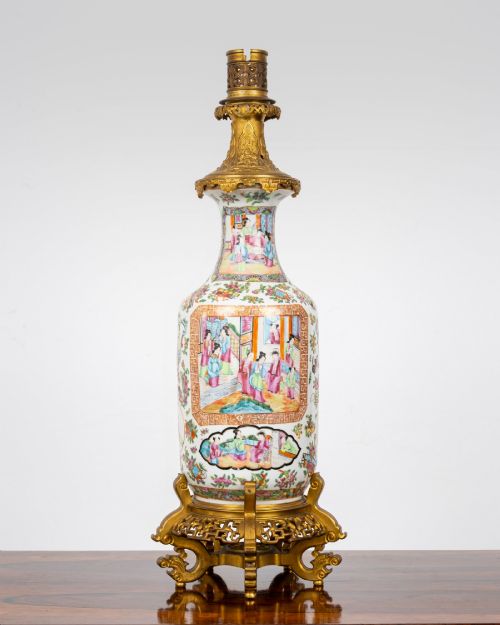
An oriental porcelain vase lamp combines antique Chinese or Japanese ceramic vessels with functional table lighting. Buyers searching for an oriental porcelain vase lamp encounter transformed ginger jars, beaker vases and globular vessels mounted as lights.
The objects stem predominantly from the nineteenth century, though seventeenth-century and early twentieth-century examples also appear. Makers adapted these vessels from diverse traditions including Chinese export wares and Japanese Satsuma production.
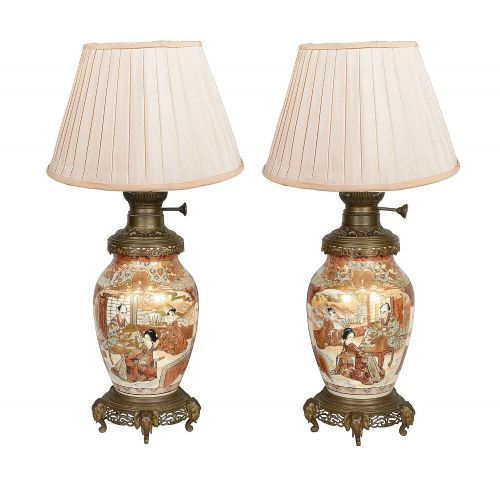
Vessels arrive as single table lamps or matched pairs, frequently incorporating fabric shades. These pieces bridge decorative arts and practical domestic illumination.
Distinctions in quality
Superior examples display crisp hand-painted detail on the porcelain surface alongside substantial cast metal mounts in brass or ormolu. The integration of the electrical fittings without damaging the original ceramic body dictates the sophistication of the conversion.
Matched pairs command greater attention than single lamps, particularly when the original ceramic bodies share identical dimensions and glaze saturation. The weight and stability of the base metal components further separate standard adaptations from finer works.
Current listings feature porcelain, brass, fabric, wood, silk, ceramic, enamel, and gilt bronze across nineteenth-century and Regency styles.
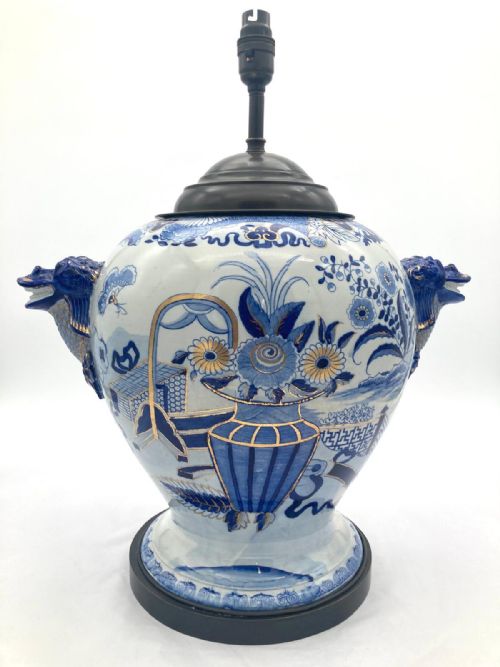
Hicks and Meigh
The Oriental Porcelain Vase Lamp Glossary
- Rose Medallion
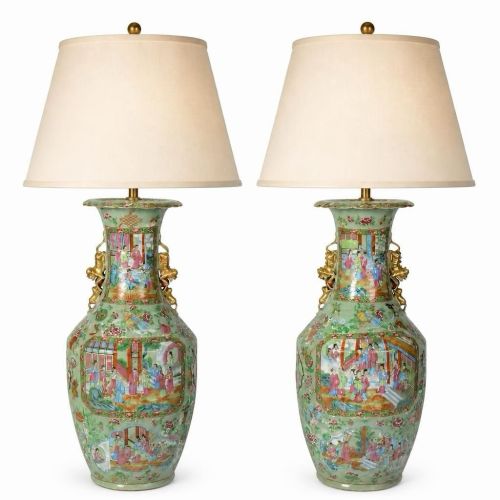
- A distinct nineteenth-century Cantonese decorative style characterised by panels of figures, birds, and flowers painted in pink and green enamels. This palette dominates many nineteenth-century table lamp conversions.
- Satsuma
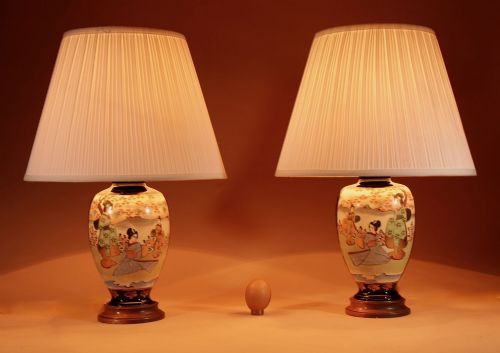
- Japanese earthenware originating from the Satsuma province, typically featuring a creamy, crackled glaze adorned with polychrome and gilt designs. These pieces frequently appear in nineteenth and early twentieth-century lighting.
- Ormolu
- Gilt bronze mounts applied to the base or neck of porcelain vessels to stabilise the lamp structure. The quality of the chasing on these metal elements indicates the standard of the piece.
- Famille Rose
- A palette of opaque rose-pink enamel introduced to Chinese ceramics during the Qing dynasty. Lamps bearing this decoration show varied floral and figural compositions.
- Celadon
- A pale green jade-like glaze applied to porcelain bodies before firing. These monochromatic surfaces provide a subtle texture for domestic lighting.
Oriental Porcelain Vase Lamp: Frequently Asked Questions
How do I wire an antique vase lamp safely?
Conversion usually involves running a cord through a drilled base or using a brass bracket that avoids damaging the ceramic. Modern rewiring ensures the fitting meets current safety standards without altering the vessel.
Professional electricians can replace old cloth-covered wiring while preserving original brass components and switch mechanisms.
Are these lamps original or converted vases?
Virtually all antique vase lamps began life as decorative vessels before receiving electrical mounts in later decades. The conversion process spans from nineteenth-century adaptations to twentieth-century workshop additions.
Collectors evaluate both the age of the ceramic body and the craftsmanship of the metal mountings that hold the lamp hardware.
How do I match lamp shades to these bases?
Fabric shades must balance the visual weight of the porcelain body and complement the primary colours in the glaze. Silk and patterned textiles often echo the traditional Chinoiserie or Japanese motifs found on the ceramic.
Proportion dictates the choice, ensuring the shade diameter relates properly to the widest part of the vase below.
How do I date a porcelain lamp base?
Dating relies upon examining the ceramic glaze, painting style, and potting techniques characteristic of periods such as the Meiji era or nineteenth-century Qing dynasty. Markings on the base, where present, offer further clues to origin.
Metal mounts and wiring methods provide secondary evidence for when the vessel was converted into a lamp.