



Imari Porcelain Table Lamp
An imari porcelain table lamp brings rich hand-painted cobalt and iron-red Japanese ceramics into a room as practical lighting.
Understanding imari porcelain table lamps
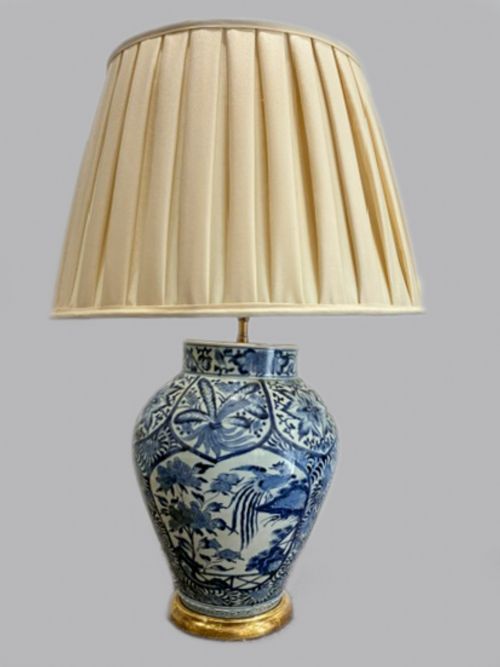
When you search for an imari porcelain table lamp, you encounter antique Japanese Arita vessels that have been adapted to hold electrical fittings. These pieces predominantly originate from the seventeenth, eighteenth, and nineteenth centuries, spanning distinct periods of Japanese craftsmanship such as the Edo period. Many of these items began their existence as vases, spill vases, or jars before later conversion into lamps.
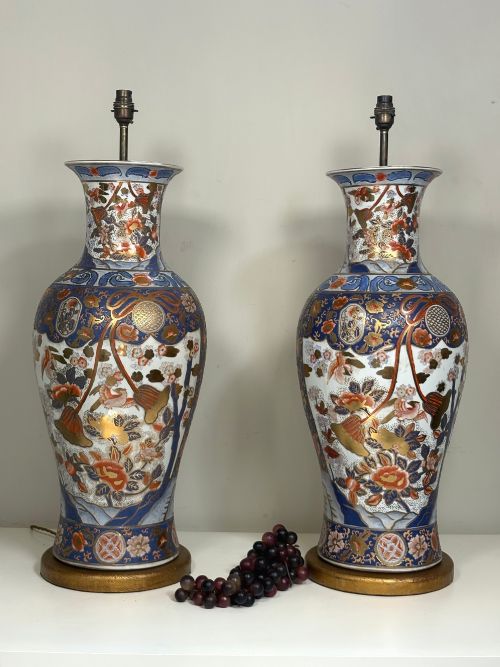
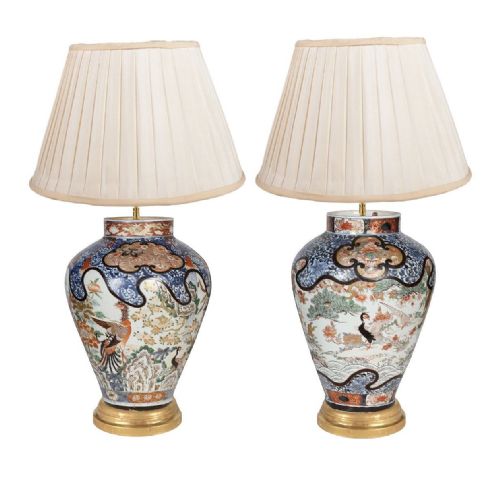
The domestic forms appearing on this page include single vessels and balanced pairs. You frequently meet vases and spill vases mounted for tabletop use, often paired with silk or fabric shades and supported by bases constructed from brass, wood, or giltwood. Some examples incorporate French or European metal mounts applied during the nineteenth century.
These lamps bridge distinct decorative traditions by combining Far Eastern ceramic production with Western domestic interiors. The survival of these vessels through centuries of use demonstrates their robust material quality and enduring appeal.
Materials and construction
The primary bodies are formed from hard-paste porcelain fired in the kilns of Arita, utilising traditional ceramic materials and glazing techniques. Artisans applied cobalt blue underglaze decoration followed by iron-red enamel and gilding, creating the characteristic palette associated with Japanese Imari ware.
Conversion into lamps involved mounting the ceramic vessels onto supporting bases made of brass, wood, or giltwood, and occasionally incorporating ormolu mounts. Electrical wiring and fittings were then added, frequently complemented by fabric or silk lampshades.
Retail Price Guide 2026
Typical UK retail prices for imari porcelain table lamp, calculated from the Sellingantiques database of over a million retail prices indexed since 2003. This retail price guide relies exclusively on Sellingantiques data; no external sources or auction records are used, so the figures do not describe the wider market.
The inventory includes single table lamps alongside matched pairs, incorporating both Japanese Edo period vases and later European mounts.
Judging quality in imari lamps
Quality rests primarily on the age, condition, and artistic merit of the underlying ceramic vessel. Earlier seventeenth and eighteenth-century Arita porcelain pieces display finer detail and deeper historical significance compared to later nineteenth-century iterations.
The refinement of the secondary mounts - whether brass, giltwood, or French ormolu - distinguishes the standard conversions from more elaborate decorative statements. The integration of the electrical fittings without compromising the structural integrity of the antique porcelain also dictates the overall standard.
The Imari Porcelain Table Lamp Glossary
- Imari porcelain
- A style of Japanese export porcelain originating from Arita, traditionally decorated in underglaze blue, iron-red, and gold. This distinctive palette remains instantly recognisable across centuries of production.
- Arita
- The Japanese town and surrounding region where porcelain production began in the early seventeenth century. Artisans here produced the ceramic bodies utilised in these lamps.
- Edo Period
- A period in Japanese history spanning from 1603 to 1868. Many of the underlying ceramic vases date from this era.
- Ormolu
- Gilt bronze mounts applied to decorative objects, frequently seen on European-adapted pieces. This technique adds structural weight and ornamental detail to the ceramic base.
- Spill vase
- A small cylindrical container originally intended to hold wooden spills for lighting fires or pipes. These forms are frequently converted into compact table lamps.
Frequently Asked Questions
How do I date an imari porcelain table lamp?
Dating relies heavily on examining the characteristics of the underlying porcelain body, the glaze, and the hand-painted palette. Earlier pieces from the seventeenth and eighteenth centuries typically exhibit distinct potting techniques and cobalt tones compared to nineteenth-century examples.
The metal mounts, where present, offer additional clues. French ormolu mounts added around 1880 point to a later European intervention on an earlier Japanese vessel.
Were these lamps originally made for electricity?
None of these antique vessels were made for electricity. The ceramic portions began as Japanese vases or spill vases during the seventeenth, eighteenth, or nineteenth centuries.
They were converted into lamps at a later date, often by adding brass, wood, giltwood, or ormolu mounts alongside modern electrical wiring to suit domestic interiors.
How do I care for my lamp?
Dust the porcelain gently with a soft, dry cloth to protect the hand-painted iron-red enamel and gilding. Avoid harsh chemical cleaners that might damage the antique glaze or the metal mounts.
Check the electrical components periodically with a qualified professional to ensure safety, particularly on lamps with older brass or giltwood bases.
What is the difference between Arita and Imari?
Arita refers to the actual manufacturing location in Japan where the porcelain was fired and glazed. Imari is the port town from which these ceramics were shipped to Europe for export.
Over time, the name Imari became synonymous with the specific blue, red, and gold decorative style produced in the Arita kilns.