




Japanese Ceramic Desk Lamp
These japanese ceramic desk lamp pieces combine centuries-old pottery traditions with functional lighting, bringing distinct form and heritage to your workspace.
Japanese Ceramic Desk Lamp
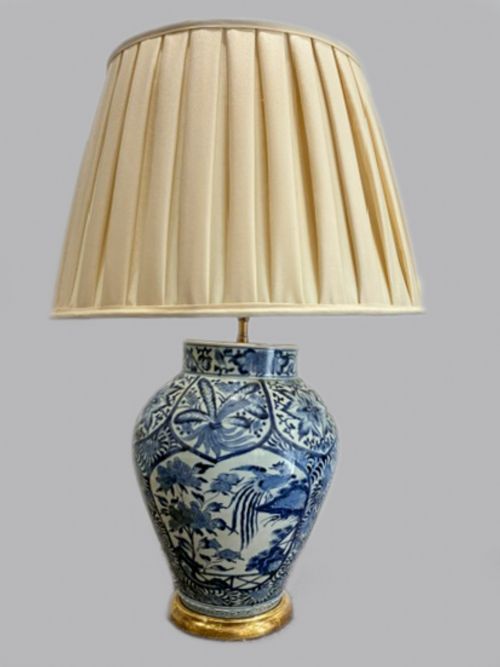
When you search for a japanese ceramic desk lamp, you encounter historical vessels adapted for modern illumination. The selection centres on converted vases, including spill vases and larger display pieces from the seventeenth, eighteenth, and nineteenth centuries.
Most examples originate from specific historical eras, notably the Edo and Meiji periods. Makers from these times produced distinct ceramic styles that now form the backbone of available desk lighting.
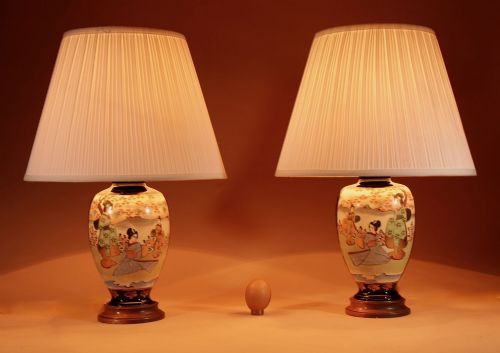
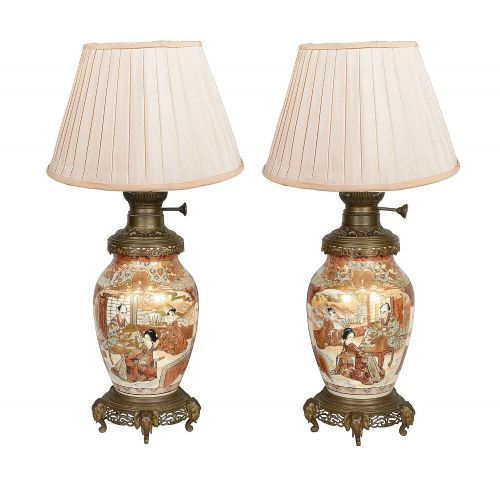
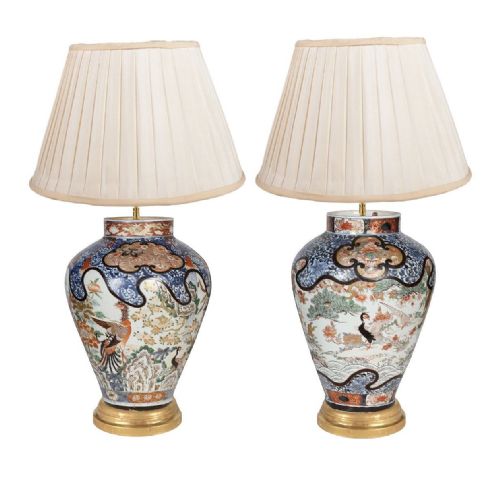
You frequently meet Satsuma, Kutani, and Imari wares in this category. These historical vessels range from small companion pairs to singular large vases fitted with electrical components.
How they were made
Potters shaped these bodies from earthenware and porcelain before applying detailed hand-painted designs. Enamel and gilt highlights frequently enrich the surface patterns across both Satsuma and Kutani pieces.
Mounting often incorporates brass fittings to secure the electrical hardware to the ceramic body. Many listings also note accompanying silk or fabric shades that complete the lighting assembly.
Japanese Ceramic Desk Lamp Retail Price Guide 2026
Typical asking prices for japanese ceramic desk lamp among the pieces listed under this phrase on Sellingantiques today, from the lower quarter to the upper quarter. They describe what is for sale here now, not the wider market.
Some nineteenth-century vases spent decades as decorative mantelpiece ornaments before finally receiving a modern electrical conversion.
What varies in quality
The sophistication of the hand-painted decoration separates standard domestic wares from finer collector pieces. Intricacy in the enamel work and the preservation of the original gilt detailing dictate the visual appeal.
The integrity of the underlying ceramic body, whether delicate porcelain or heavier earthenware, influences the overall presence of the lamp. Sympathetic conversion work that respects the historical vessel without causing structural harm also defines the better examples.
The Japanese Ceramic Desk Lamp Glossary
- Satsuma
- A type of Japanese earthenware featuring a crackle glaze and detailed polychrome and gilt decoration. These pieces were often produced during the nineteenth and early twentieth centuries.
- Imari
- A traditional style of Japanese porcelain originating from Arita, characterised by underglaze blue and iron red with additional gilt details. Eighteenth-century examples are particularly sought after.
- Kutani
- A style of Japanese porcelain known for bold colour palettes and pictorial designs. Kutani wares frequently appear in nineteenth-century lamp conversions.
- Meiji Period
- The era of Japanese history lasting from 1868 to 1912, associated with rapid artistic production for export. Many decorative ceramic items on the market date from this period.
- Japonisme
- The influence of Japanese art on Western design, which gained momentum in the nineteenth century. This movement encouraged the adaptation of Asian vases into household lamps.
Japanese Ceramic Desk Lamp: Frequently Asked Questions
Are these lamps converted antique vases?
Many listings feature historical vessels from the seventeenth through nineteenth centuries that were later fitted for electrical use. This practice gives antique ceramics a functional role in contemporary interiors.
Makers adapted these vases carefully to preserve the original body while adding modern lamp hardware.
How do I identify Satsuma ware?
Satsuma ceramics typically display a characteristic ivory-coloured body covered in a fine network of crackled glaze. Artisans then applied intricate hand-painted motifs finished with raised gilt.
This distinct combination sets Satsuma apart from the smoother porcelain bodies found in Imari or Kutani pieces.
What periods do these lamps come from?
The inventory spans several centuries, running from the late seventeenth century through the Meiji period and into the early twentieth century. Edo period pieces also appear among the older examples.
Each era brings distinct artistic styles and ceramic techniques to the resulting desk lamps.
Do these lamps come in pairs?
A significant portion of the selection consists of matched pairs, particularly among nineteenth-century Satsuma and Kutani wares. These dual pieces offer a balanced look for larger desks or sideboards.
Single vases adapted as lamps also feature prominently in the available listings.