

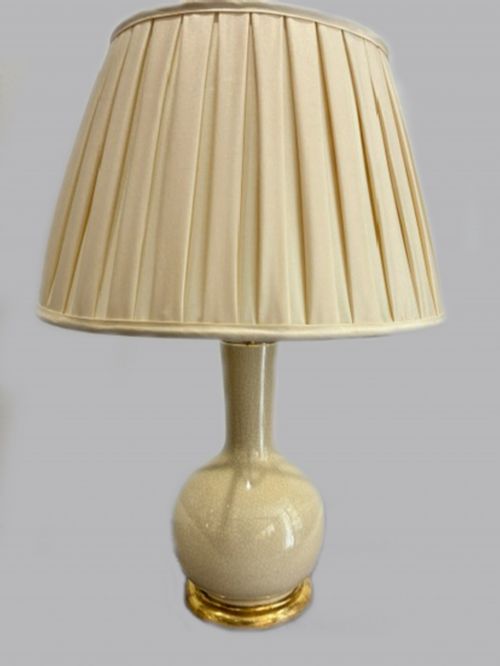
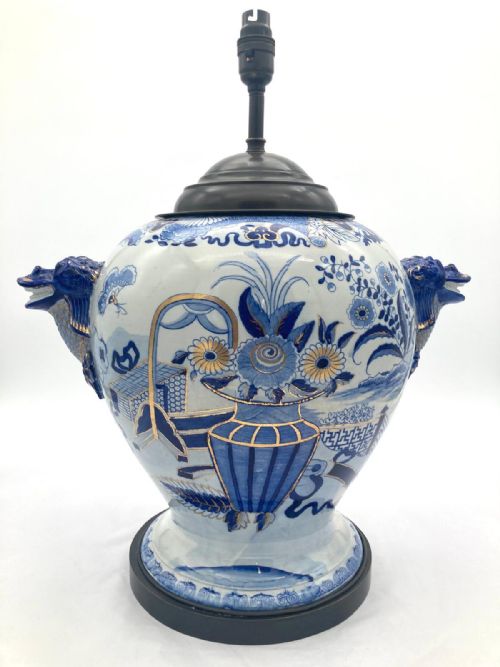
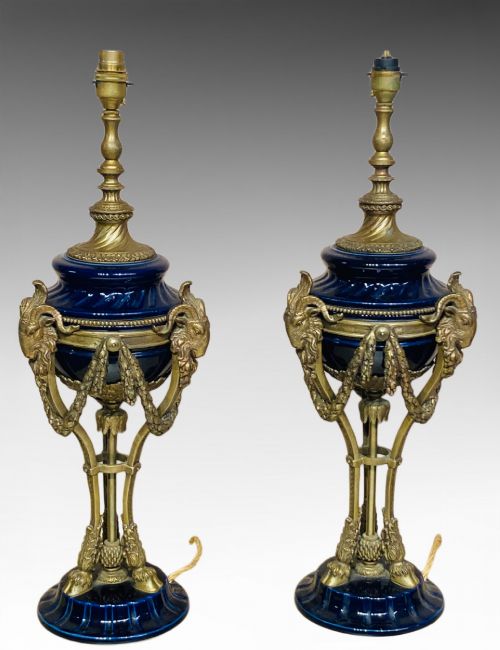
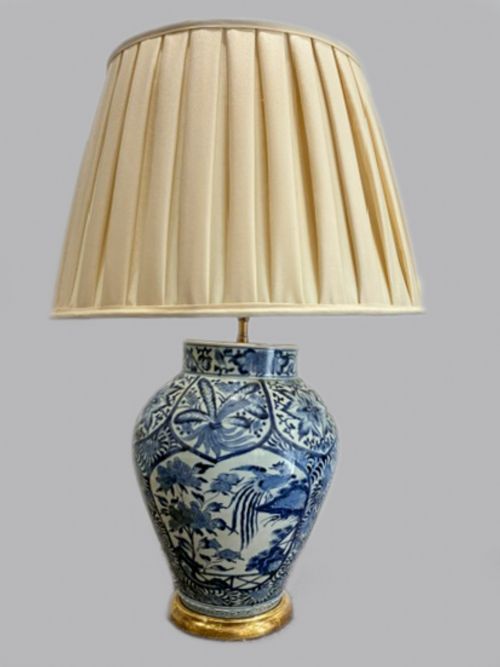


Vintage Porcelain Urn Lamp
A vintage porcelain urn lamp brings classical form and warm light to a room, combining antique ceramic bodies with fitted wiring.
Vintage Porcelain Urn Lamp
A vintage porcelain urn lamp utilises bodies originally formed as vases, jars, and urns from diverse centuries and origins, subsequently adapted for electrical lighting.
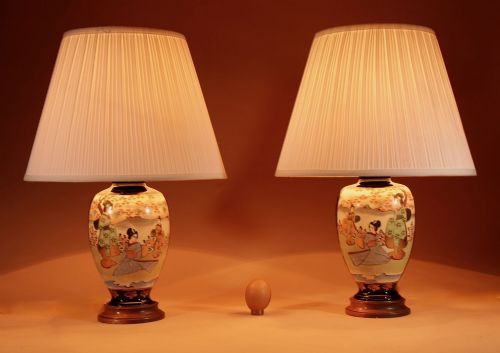
Buyers encounter pieces spanning from the seventeenth century through to the mid-twentieth century, with nineteenth-century French and Japanese Satsuma examples appearing frequently.
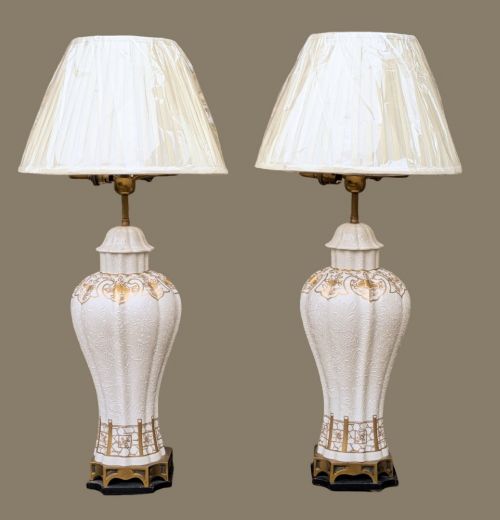
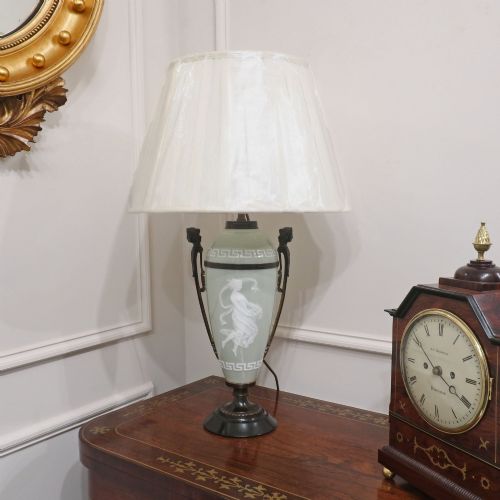
The selections on this page range from Chinese blue and white baluster vessels to French Neoclassical porcelain mounts and English Delftware forms.
How they were made
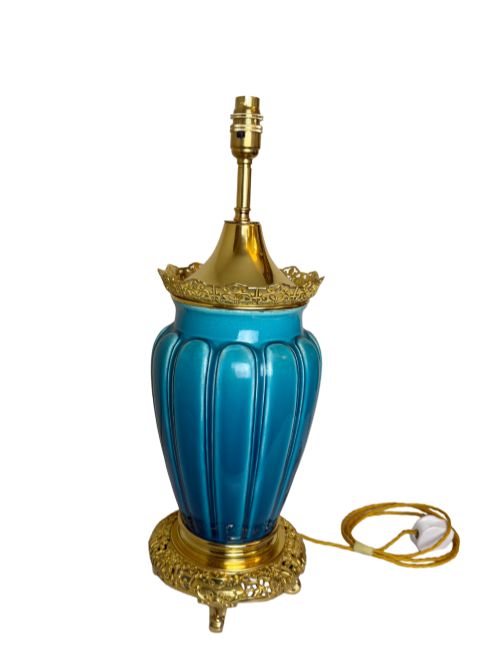
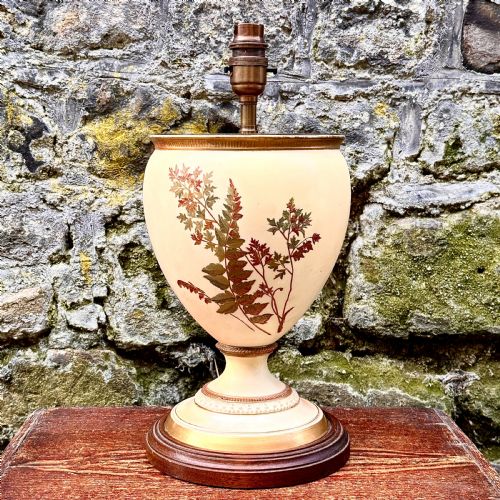
Ceramic bodies consist of porcelain, ironstone, or faience, often decorated with hand-painted polychrome designs, crackle glazes, or pate sur pate techniques.
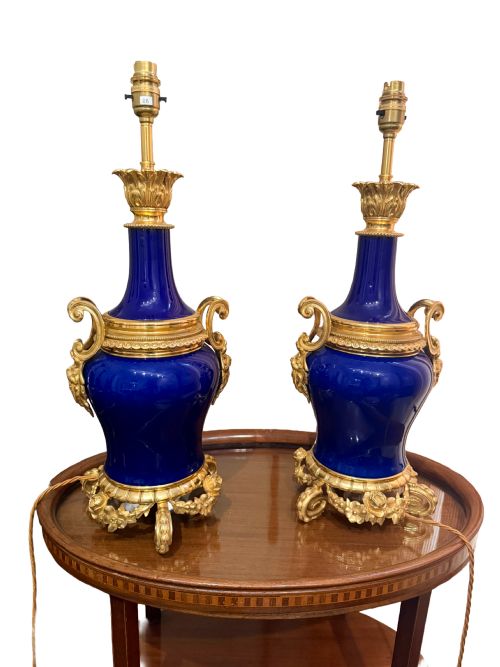
Mounts, bases, and decorative trims are fashioned from brass, gilt bronze, or ormolu, securing the ceramic vessel while providing structural support for the lamp fittings.
Vintage Porcelain Urn Lamp Retail Price Guide 2026
Typical asking prices for vintage porcelain urn lamp among the pieces listed under this phrase on Sellingantiques today, from the lower quarter to the upper quarter. They describe what is for sale here now, not the wider market.
Current listings feature porcelain, brass, gilt bronze, and ormolu materials across styles from Chinoiserie and French Neoclassical to Japanese Meiji.
What varies in quality
Quality depends upon the fineness of the original ceramic body and the precision of the hand-painted or gilt decoration applied to the porcelain.
The craftsmanship of the metal mounts, such as cast ormolu or gilt bronze trim, separates standard conversions from finer examples.
Royal Worcester·Hicks and Meigh·Samson
The Vintage Porcelain Urn Lamp Glossary
- Ormolu
- Gilt bronze mounted onto furniture and decorative objects. This technique involves applying a finely ground gold-mercury amalgam to a bronze base.
- Baluster
- A tapering architectural form with a rounded lower body. Many porcelain urn lamps utilise baluster vases for their balanced silhouette.
- Pate sur pate
- A ceramic decorating method where liquid clay is built up in layers. This creates a low relief cameo effect on the porcelain surface.
- Imari
- A style of Japanese porcelain decorated in underglaze blue and overglaze red, gold, and black. Pieces originate predominantly from Arita.
Vintage Porcelain Urn Lamp: Frequently Asked Questions
Are these lamps converted from old vases?
Many vintage porcelain urn lamps are created by converting antique vases, jars, and urns into functional lighting.
Artisans drill the ceramic body or mount the vessel securely without causing permanent damage to the original piece, adding electrical components and fabric shades.
How do I date a porcelain urn lamp?
Dating relies upon examining the ceramic body, glaze characteristics, and any painted marks on the underside of the vessel.
Metal mounts and brass or ormolu details also provide stylistic clues that help distinguish nineteenth-century pieces from earlier examples.
What styles are common in these lamps?
Common styles include French Neoclassical, Chinoiserie, Rococo Revival, and Japanese Satsuma or Arita designs.
These styles reflect the historical appreciation for Asian export porcelain and European decorative arts.
How do I place an urn lamp in a room?
An urn lamp works well on sideboards, chests of drawers, or large console tables where its height and decorative base can be appreciated.
Pairing matching items creates symmetry on either side of a fireplace or large piece of furniture.