

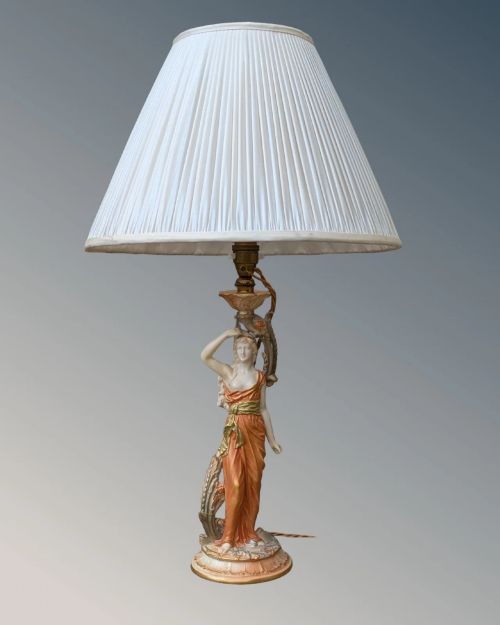


Pleated Shade Porcelain Lamp
A pleated shade porcelain lamp combines historic ceramic bodies with soft fabric diffusers to create warm, ambient room illumination.
Pleated Shade Porcelain Lamp
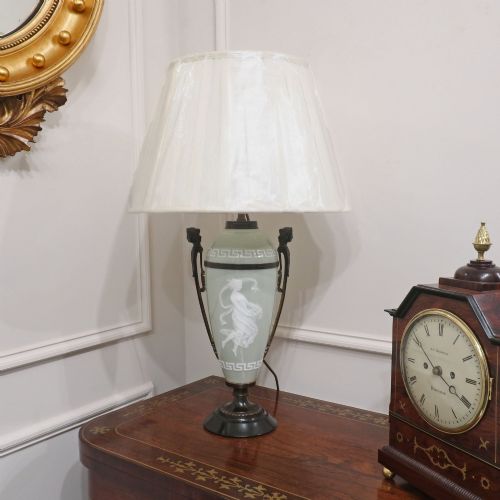
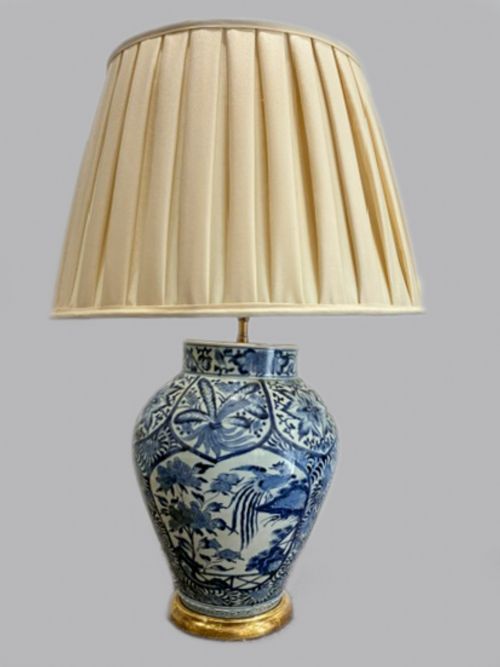
A pleated shade porcelain lamp repurposes historic ceramic vessels, ginger jars, and vases into functional table lighting. These fixtures originate from various periods including the seventeenth, eighteenth, and nineteenth centuries, often incorporating Chinese export, Japanese Meiji, or European ceramic traditions.
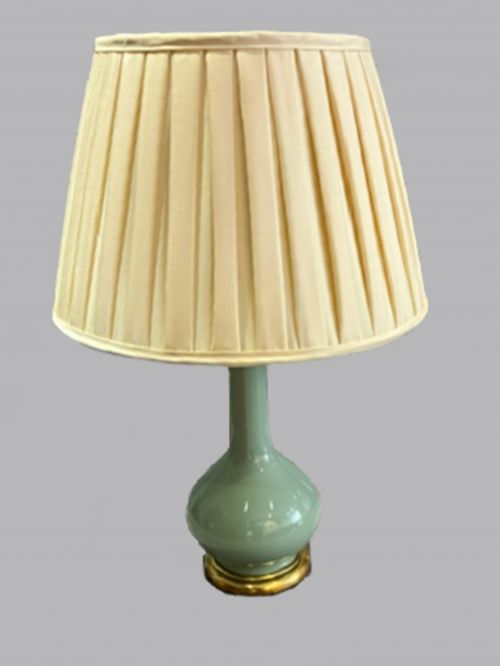
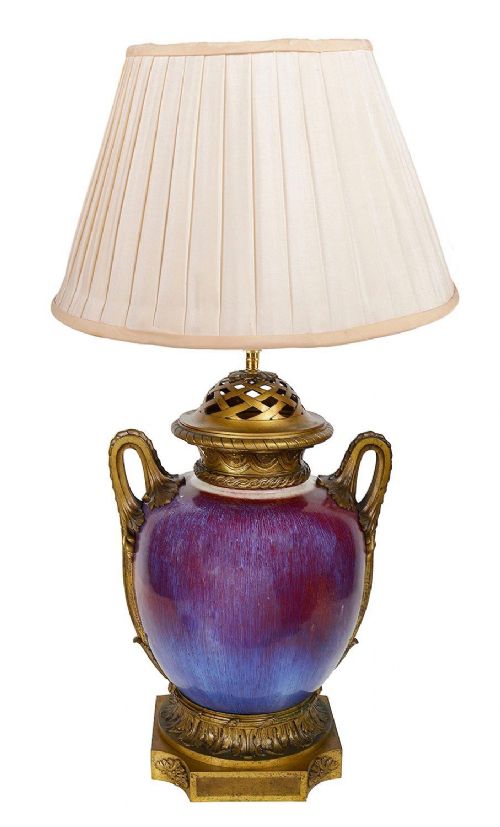
Buyers will encounter converted vases mounted on brass, gilt bronze, or ormolu bases alongside factory-produced nineteenth-century table lamps. Many examples feature blue and white decoration, celadon glazes, or polychrome enamel palettes such as Famille Verte and Famille Rose.
The forms typically adapt antique baluster vases, lidded jars, and temple vessels into domestic lighting fixtures. Such conversions transform decorative studio or export ceramics into practical pieces for modern interiors.
Factors of quality in ceramic lamp construction
Quality rests upon the preservation of the original ceramic body and the precision of the metal mounts. Fine examples retain crisp underglaze painting, unblemished glazes, and well-fitted ormolu or brass mountings that complement the vase without damaging the ceramic.
The method of conversion affects the overall integrity of the piece. Superior pieces involve careful wiring without compromising the antique ceramic structure, paired with balanced proportions between the ceramic body, base, and shade.
Certain nineteenth-century German porcelain lamps take the delightfully stern form of hooting owls.
Ernst Bohne & Sohn·Royal Worcester·Samson
The Pleated Shade Porcelain Lamp Glossary
- Celadon
- A pale green jade-like ceramic glaze originating in East Asia. It appears frequently on nineteenth-century vessels adapted into lighting.
- Ormolu
- Gilt bronze mounted on decorative arts. It provides ornate bases and collars for porcelain lamp bodies.
- Famille Verte
- A Chinese porcelain palette dominated by green enamel colours. This style characterises many eighteenth and nineteenth-century vase lamps.
- Imari
- Japanese export porcelain decorated in underglaze blue, iron red, and gilt. Pieces from these traditions often form the base of antique table lights.
Pleated Shade Porcelain Lamp: Frequently Asked Questions
What is a pleated shade porcelain lamp?
A pleated shade porcelain lamp is a table light created by mounting an antique ceramic vase or jar onto a fitted base with a fabric shade. These pieces transform historic vessels into functional room lighting.
Most examples utilise nineteenth-century or earlier ceramics from Chinese, Japanese, and European kilns. The resulting fixtures blend traditional ceramic artistry with practical illumination.
How are antique vases converted into lamps?
Conversion typically involves drilling a discreet channel through the base or lower body of the ceramic vessel to accommodate electrical wiring. Metal mounts in brass or ormolu are often fitted to secure the fixture.
Specialist technicians perform this work to ensure the antique ceramic body remains stable and balanced. The wiring supports standard lamp holders and fabric shades.
How do I style these lamps at home?
These lamps suit side tables, desks, and console tables where their decorative ceramic bodies act as focal points. The fabric or silk shades diffuse light softly across traditional or eclectic interiors.
Pairing the lamp with complementary colours in the room enhances the hand-painted details of the porcelain. Placing them away from heavy foot traffic protects the wired ceramic bodies.
How do I identify the period of the porcelain?
Dating relies upon examining the glaze characteristics, potting techniques, and painted motifs on the ceramic body. Chinese export pieces and Japanese Satsuma or Imari wares exhibit distinct stylistic markers from their respective eras.
Metal mounts and wiring styles also provide clues regarding when the vessel was converted into a lamp. Comparing the glaze colours helps distinguish nineteenth-century productions from earlier periods.