







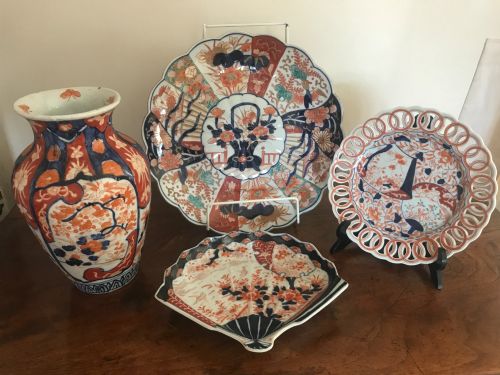
Oriental Porcelain Charger Plate
These large ceramic platters bring rich cobalt painting and heavy enamel decoration from East Asian kilns directly to British display cabinets.
Oriental Porcelain Charger Plate
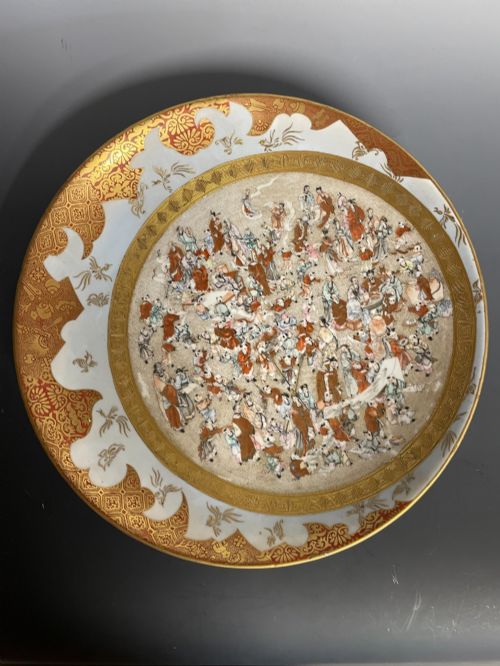
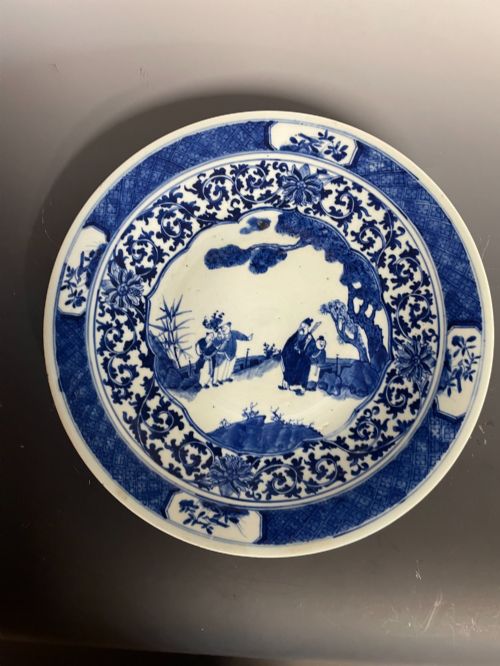
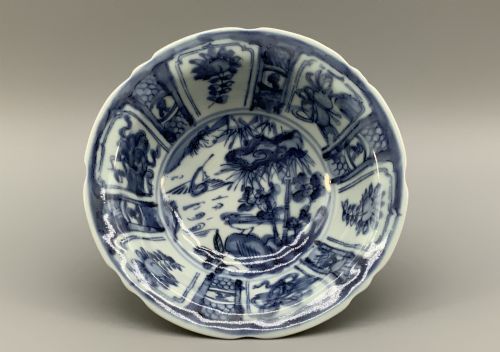
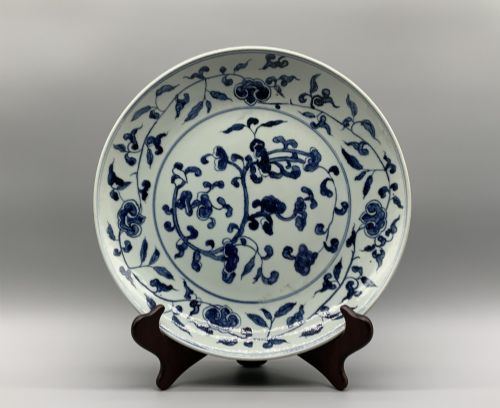
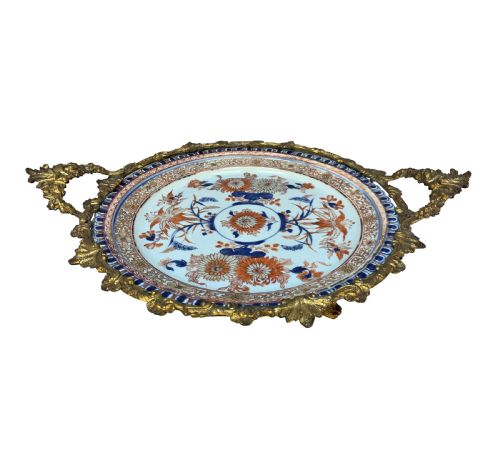
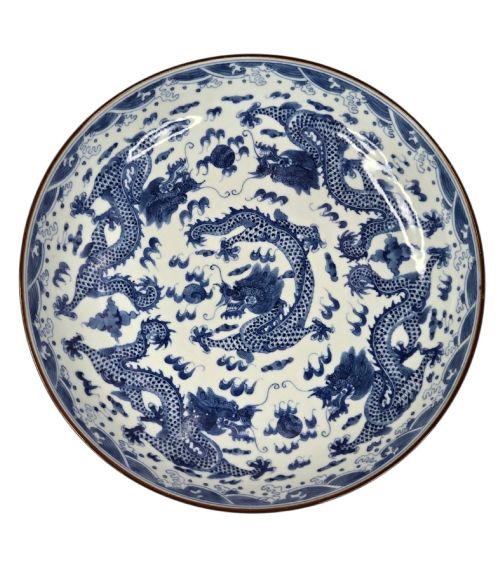
When you search for an oriental porcelain charger plate, you encounter large decorative platters and circular dishes originating from Chinese and Japanese kilns. The pieces on this page span several centuries, including productions from the Kangxi, Qing and Ming dynasties alongside Japanese Meiji period creations.
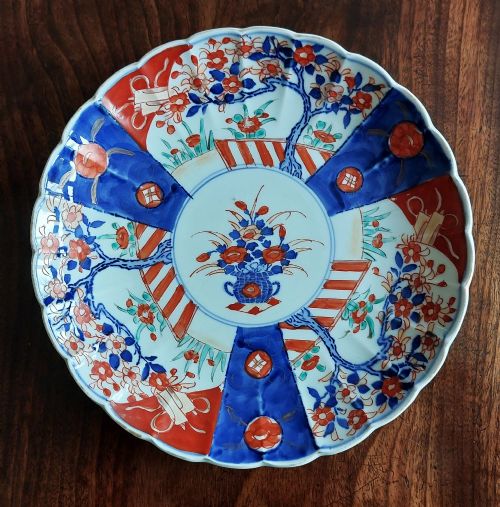
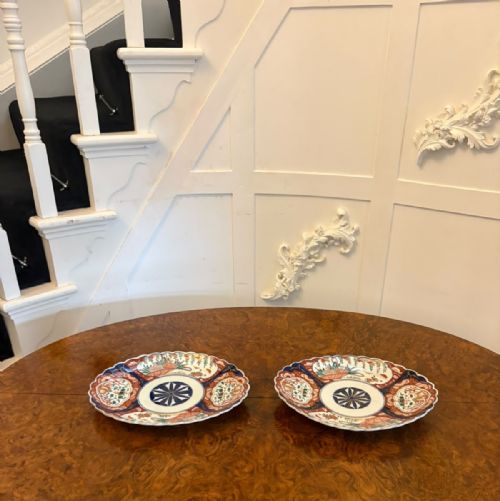
You meet Japanese Imari ware most frequently among these listings, often featuring scalloped edges, hexagonal or square shapes, and vibrant hand-painted floral and bird designs. Blue and white porcelain chargers from the Kangxi period and large Satsuma chargers with intricate pictorial scenes also appear.
The objects serve primarily for display rather than dining, taking the form of deep bowls, chargers, and broad decorative plates meant to sit on tables or hang on walls.
Materials and technique
Potters shaped fine porcelain clay before applying cobalt underglaze pigments to achieve deep blue tones beneath a clear glassy surface. Artisans then added enamel colours and gold leaf highlights over the glaze on many Japanese Imari and Satsuma pieces.
Firing took place in high-temperature kilns that fused the vitreous materials into durable ceramic bodies capable of holding intricate painted details for centuries. Skilled hands brushed fine lines depicting dragons, exotic birds, and floral motifs onto the raw surfaces prior to the final heat.
Listings feature porcelain, earthenware, and enamel materials across pieces dated from the seventeenth through the early twentieth century.
Distinctions in craftsmanship
The separation between ordinary production and superior work rests on the precision of the brushwork and the complexity of the enamel palette. Superior chargers display crisp cobalt underglazes and carefully applied gold leaf details that remain sharp across the entire surface.
Composition and shape also divide the range, as pieces with unusual hexagonal forms, lobed rims, or balanced pictorial scenes demonstrate greater skill from the potter and decorator. Consistency in the glaze finish and the preservation of hand-painted motifs determine the standing of each piece.
Koshida
The Oriental Porcelain Charger Plate Glossary
- Charger
- A large decorative plate or platter used primarily for display on tables or sideboards rather than for serving food.
- Imari
- A style of Japanese porcelain featuring a distinct palette of underglaze blue, iron red, and gilt highlights over a white ceramic body.
- Kangxi
- A Chinese imperial period spanning the late seventeenth and early eighteenth centuries, known for fine blue and white porcelain.
- Meiji
- A Japanese historical period lasting from the late nineteenth to the early twentieth century, associated with intricate decorative arts.
- Satsuma
- A type of Japanese earthenware featuring a crackled ivory glaze decorated with enamels and raised gold details.
- Underglaze
- A decorative technique where pigments are applied to the raw ceramic body before the application of a clear glaze and firing.
Oriental Porcelain Charger Plate: Frequently Asked Questions
How do I display a large charger plate safely?
Support heavy porcelain platters with sturdy wall brackets designed for deep dishes, or place them securely in cabinet grooves with secondary desk stands.
Keep ceramic chargers away from high-traffic household areas where accidental knocks might dislodge them from their display position.
Were these large plates used for dining?
Historical oriental chargers served primarily as decorative centerpieces or ceremonial presentation dishes rather than everyday tableware.
Their substantial weight and intricate painted surfaces made them unsuited for regular dining use.
How do I tell Imari from blue and white porcelain?
Imari pieces combine underglaze cobalt blue with contrasting iron red and gold leaf highlights across the decorated surface.
Blue and white porcelain relies solely on cobalt pigments beneath a clear glaze, showing no red or gilt additions.
Can I clean antique porcelain chargers with water?
Dust ceramic dishes gently with a soft dry cloth to remove surface particles without risking the aged enamel or gilt decorations.
Avoid soaking antique porcelain in water, particularly pieces with delicate overglaze enamels or gold leaf highlights.