

Oriental Painted Vase
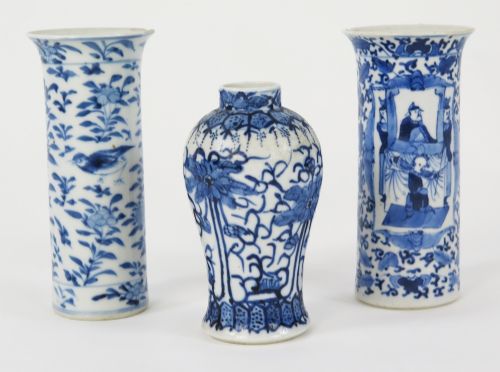
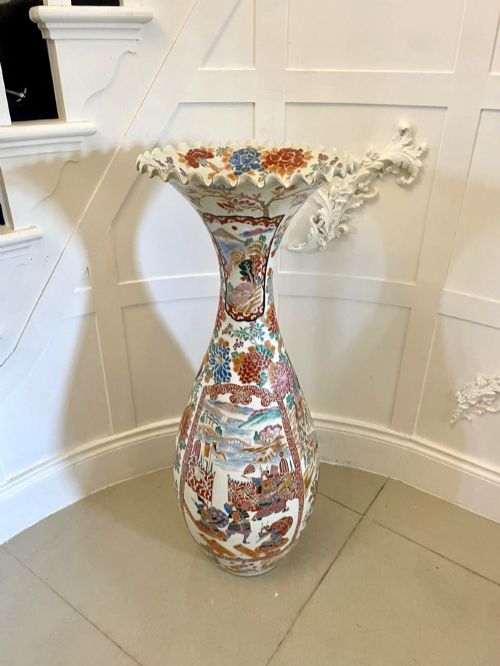
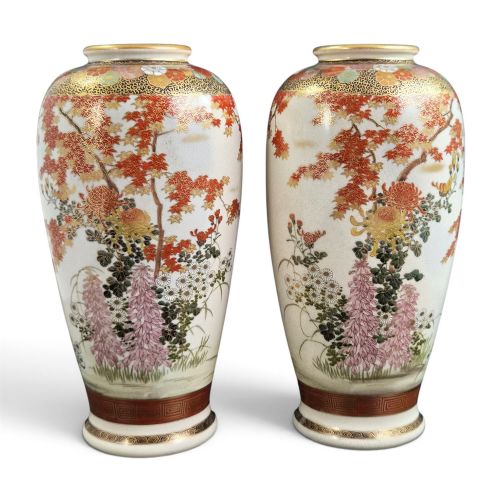
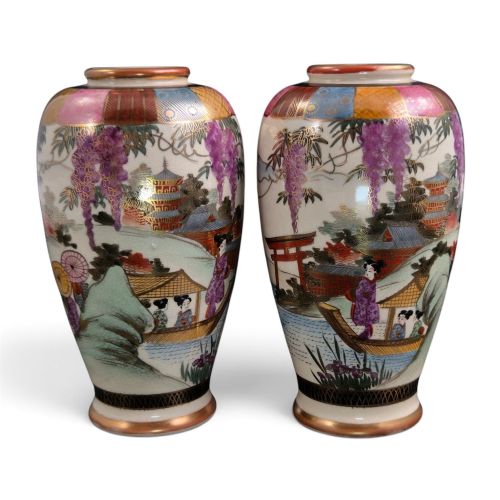
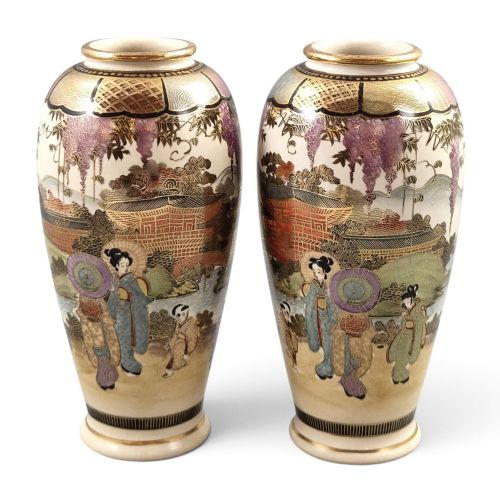
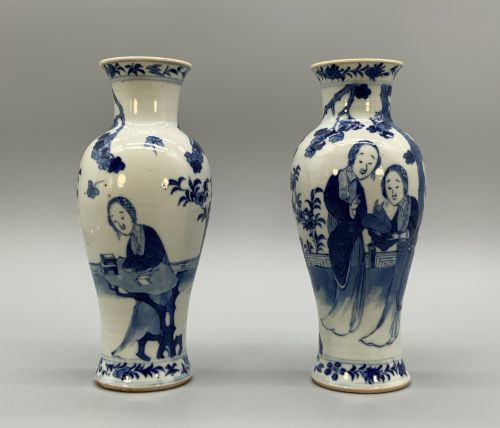
An oriental painted vase brings the rich detail of Japanese Satsuma and Chinese export porcelain into a room.
Oriental Painted Vase
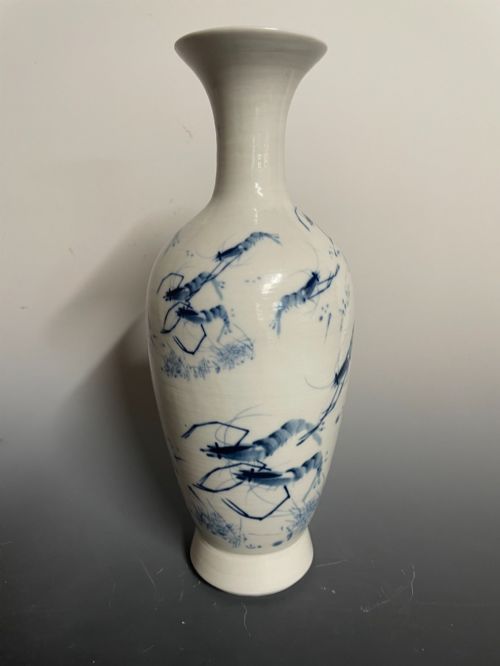
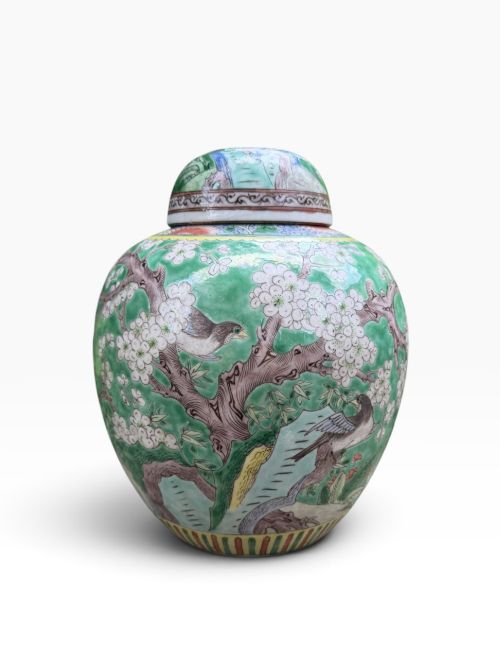
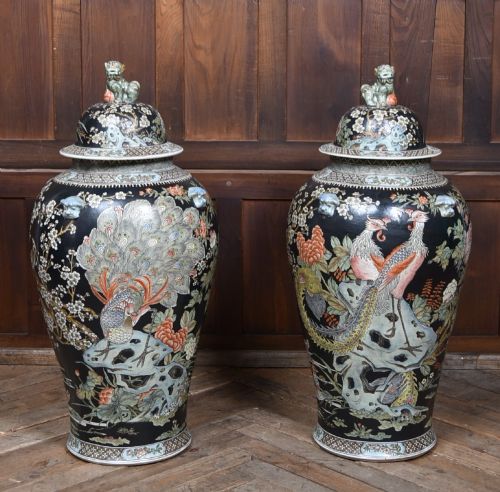
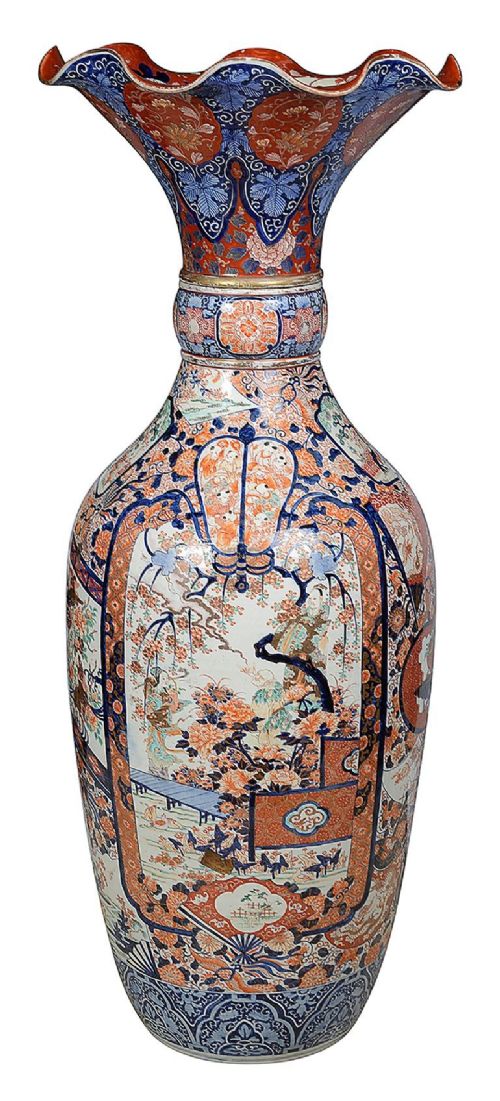
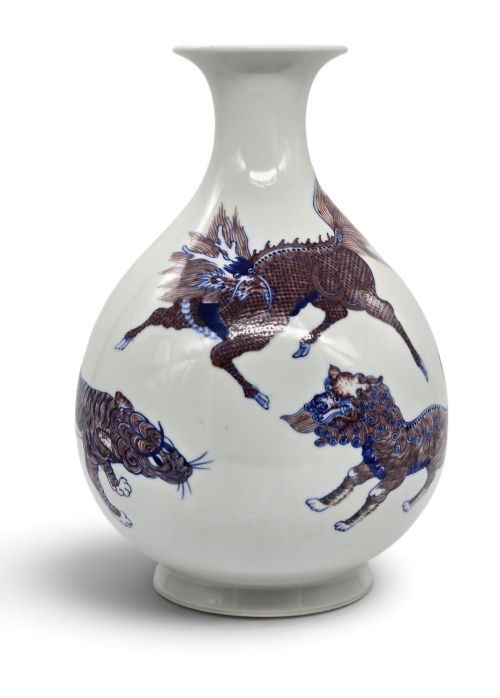
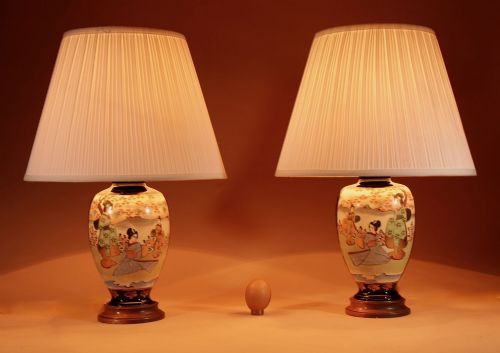
When searching for an oriental painted vase, buyers encounter items ranging from large floor standing vessels to ginger jars and table lamps. The selections span the nineteenth and twentieth centuries, encompassing Japanese Imari, Satsuma, Kutani, and Chinese Qing styles.
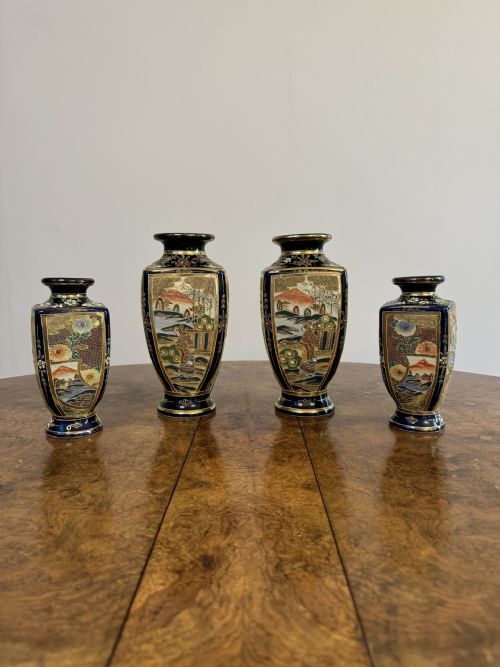
Most pieces date from the nineteenth century through the Edwardian period and the early twentieth century. Forms include standard vases, garnitures, moon flasks, and jars paired with original hardwood stands.
Materials and construction
Makers utilised porcelain and earthenware as the primary ceramic bodies for these vessels. Decoration relies on detailed enamel painting, often enhanced with gold leaf and gilt highlights over underglaze blue.
Judging quality in painted ceramics
Quality rests in the precision of the hand-painted details and the crispness of the enamel work. Pieces featuring complex figural scenes, floral motifs, and intact gilding stand apart from simpler decorative wares.
The weight and finish of the porcelain body, alongside the preservation of the glaze, dictate the overall standard. Maker attributions and matching garniture sets further elevate the standing of individual items.
Maruni Kobe·Shozan·Manpei·Kinkōzan
The Oriental Painted Vase Glossary
- Imari
- A style of Japanese porcelain decorated in underglaze blue, iron red, and gold. This palette creates a distinct patterned finish seen on nineteenth-century vessels.
- Satsuma
- Earthenware pottery originating from Satsuma province in Japan, characterised by a crackle-glaze finish and intricate polychrome enamel designs.
- Famille Rose
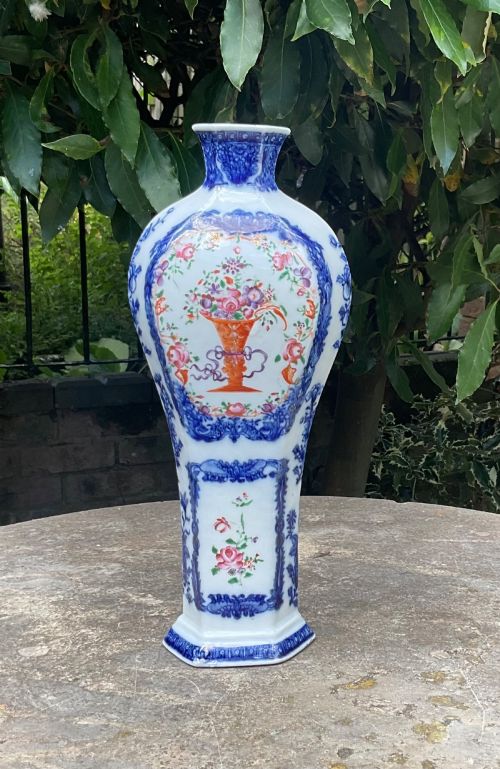
- A palette of Chinese porcelain enamels dominated by pink or opaque rose colours, introduced during the Qing dynasty.
- Garniture
- A set of matched vases or jars designed to be displayed together on a mantelpiece or cabinet.
- Kutani
- Japanese porcelain known for bold designs, frequently incorporating red and gold overglaze painting.
Oriental Painted Vase: Frequently Asked Questions
How do I date an oriental painted vase?
Dating relies on stylistic markers, such as Meiji period motifs or Qing dynasty forms, alongside the characteristics of the ceramic body and glaze.
Examining any marks on the base helps narrow the period of manufacture.
Were these vases used for flowers?
Many large floor vases and ginger jars served primarily as decorative display pieces rather than practical vessels for holding water and stems.
Smaller vases and jars often functioned as ornamental table pieces within traditional interiors.
What is the difference between Satsuma and Imari?
Satsuma wares consist of cream-coloured earthenware with a fine crackle glaze and detailed enamel painting, often depicting figures.
Imari pieces use a porcelain body decorated in a rigid palette of dark blue, red, and gold.
How should I care for a painted ceramic lamp?
Dust the ceramic body gently with a soft, dry cloth to protect the enamel and gilt highlights from abrasion.
Avoid liquid cleaners, as moisture can damage the painted surfaces and any older electrical fittings.