



Oriental Medallion Carpet
An oriental medallion carpet brings centuries of regional weaving traditions into a room through central motifs and geometric designs.
Oriental Medallion Carpet
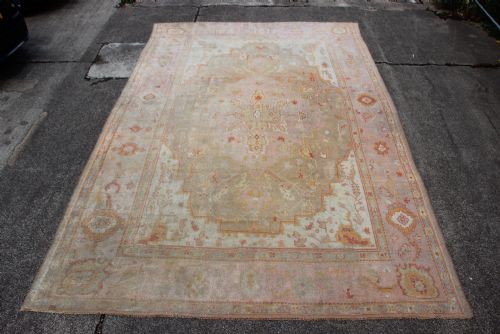
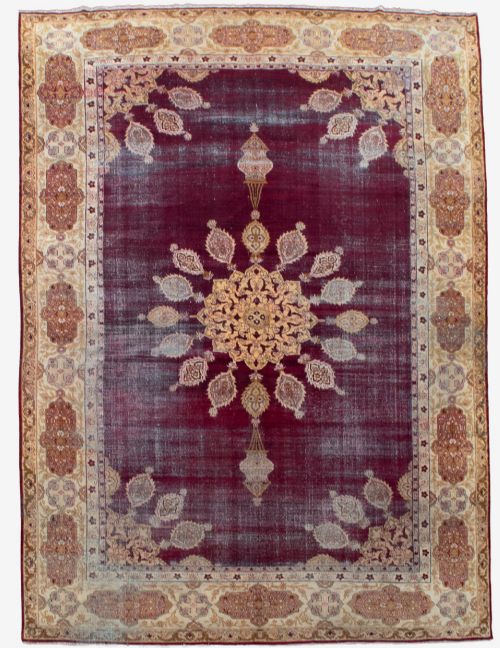
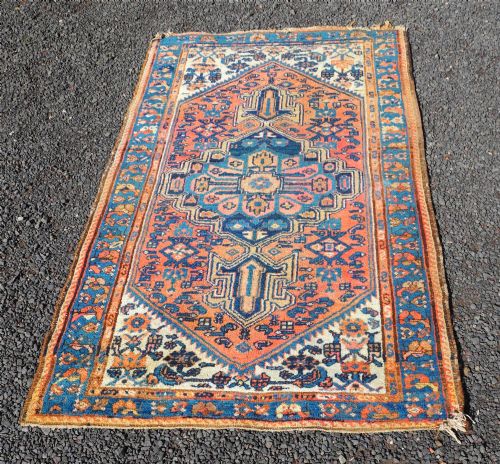
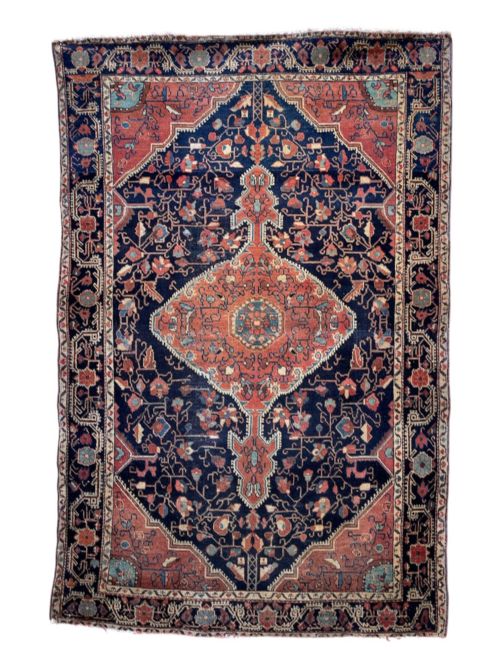
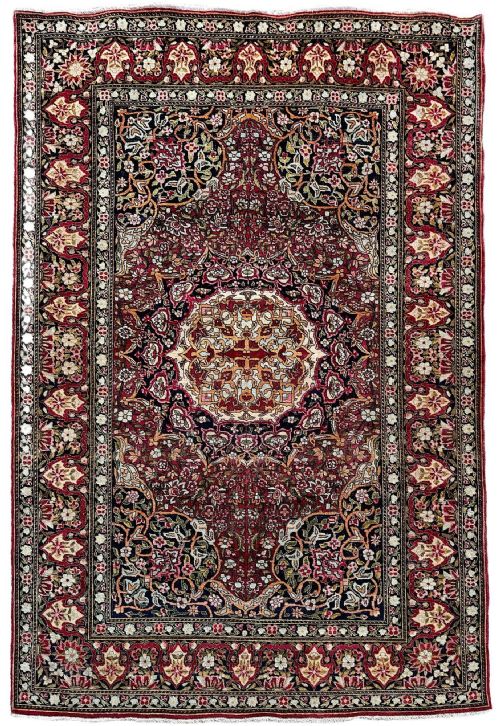
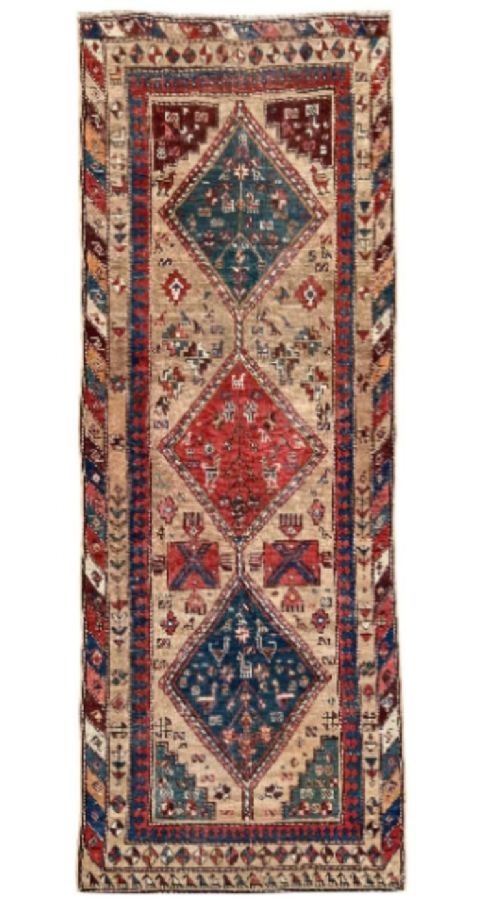
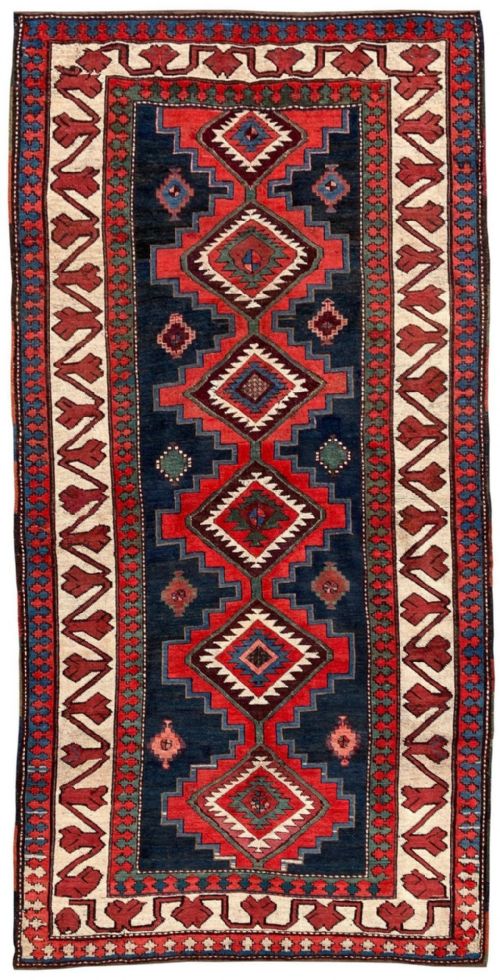
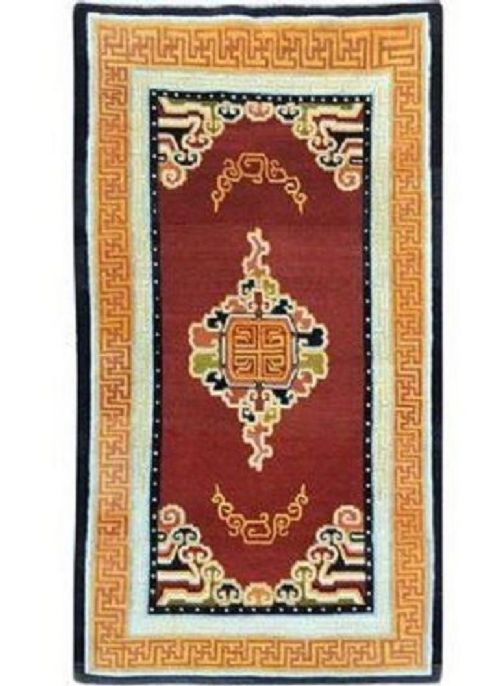
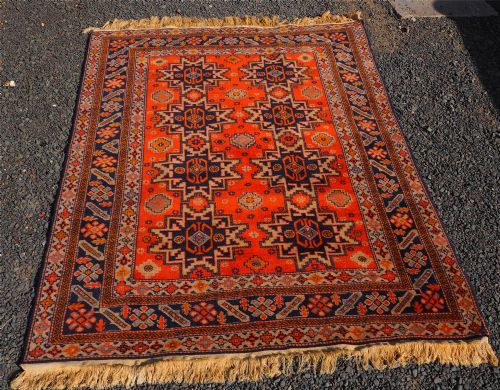
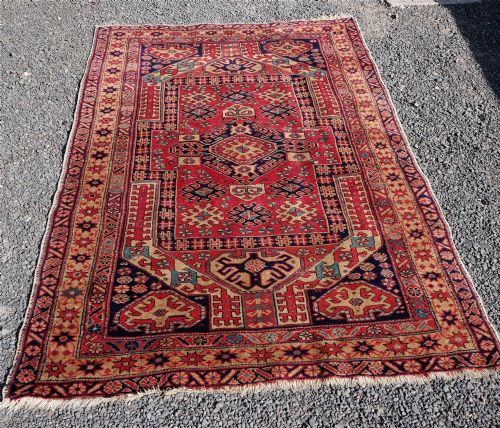
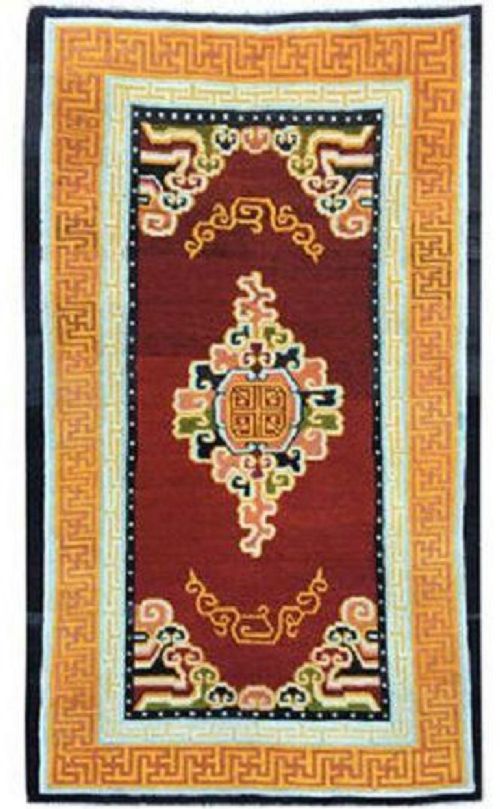
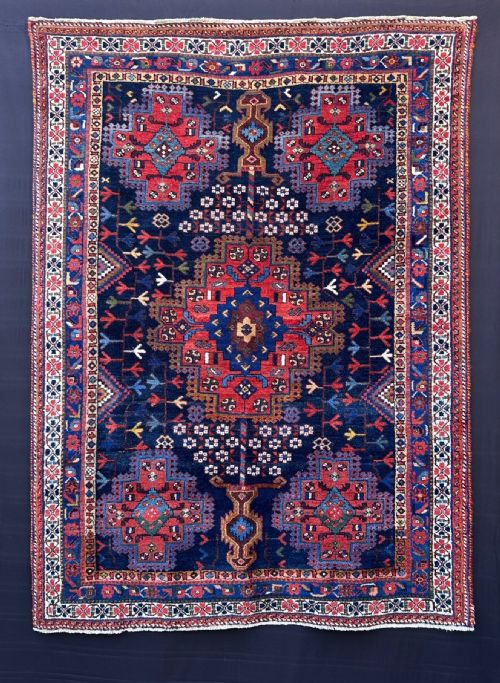
An oriental medallion carpet anchors a room with a prominent central design framed by detailed borders and field patterns. These floor coverings span diverse origins, taking the form of large rugs, long runners, and substantial carpets produced across Persian, Caucasian, Anatolian, and Tibetan regions.
The pieces available here emerge from periods stretching from the middle of the nineteenth century through the early decades of the twentieth century. Traditional Persian styles and tribal village configurations dominate the selection, showing the enduring appeal of village and city workshop weaving.
Makers ranged from village weavers working on upright looms in family settings to organised workshops in historic carpet-producing centres. Each piece reflects the specific geographic region of its origin, from Heriz and Saroukh to Kazak and Oushak.
Materials and construction methods
Natural wool forms the primary foundation and pile for the vast majority of these floor coverings, occasionally supplemented by cotton foundations and occasional silk highlights. Certain pieces also incorporate camel wool within the field to provide distinct natural tones and textures.
Hand-knotting technique defines the construction, securing the pile yarn around warp threads by hand before shearing the surface to an even height. Village rugs and tribal carpets employ sturdy wool knots on wool or cotton foundations, producing resilient structures designed for daily use.
Carpet formats range from hearth-sized hearth rugs and compact area rugs to large country house carpets and long runners.
Factors influencing execution and finish
Knot density and structural tightness dictate the crispness of the central medallion and the precision of the surrounding geometric motifs. Finer knotting permits intricate curves and detailed floral or tribal rendering, whereas looser village weaves yield bolder, more robust lines.
The origin of the dye materials and the consistency of the wool dictate how gracefully a floor covering ages over decades. Hand-spun wool taking natural dye variations develops depth and character, while the handling of pile height ensures balanced wear across high-traffic areas.
The Oriental Medallion Carpet Glossary
- Medallion
- The central ornamental motif dominating the field of the carpet, often circular, oval, or polygonal in shape. It serves as the primary focal point of the design composition.
- Warp
- The vertical threads stretched lengthwise on the loom before weaving begins. The pile knots are tied around these foundational threads.
- Weft
- The horizontal threads passed alternately over and under the warp threads after each row of knots to compact and secure the structure.
- Pile
- The upright cut or looped yarn surface of the carpet that forms the soft upper layer. It is sheared evenly after knotting to reveal the pattern.
- Kelleh
- A long, narrow format of carpet traditionally woven for specific architectural spaces in Persian houses. It offers extended proportions compared to standard area rugs.
Oriental Medallion Carpet: Frequently Asked Questions
How are these carpets structured?
These floor coverings are constructed with a foundation of warp and weft threads that support a hand-knotted pile. Village and tribal pieces often employ sturdy wool foundations, while workshop productions frequently utilise cotton for structural stability.
The central medallion forms the focal point of the composition, surrounded by field designs and multiple decorative borders. Skilled artisans tied each individual knot by hand, creating dense surfaces designed to endure generations of use.
How do I care for an antique rug?
Regular gentle vacuuming without a rotating brush roll prevents dust accumulation within the wool pile. Professional cleaning suited to antique textiles maintains the integrity of natural wool and traditional dyes.
Placing a breathable rug underlay beneath the carpet prevents slipping and reduces friction against hard flooring. Rotating the piece periodically ensures even exposure to light and foot traffic.
What defines a tribal carpet?
Tribal rugs feature bold geometric patterns, cruciform medallions, and spontaneous design variations executed by nomadic or village weavers. These pieces reflect ancestral motifs passed down through generations without formal paper cartoons.
Mellow colour palettes derived from natural materials give these carpets an organic appearance. Their robust construction and playful irregularities distinguish them from formal city workshop productions.