

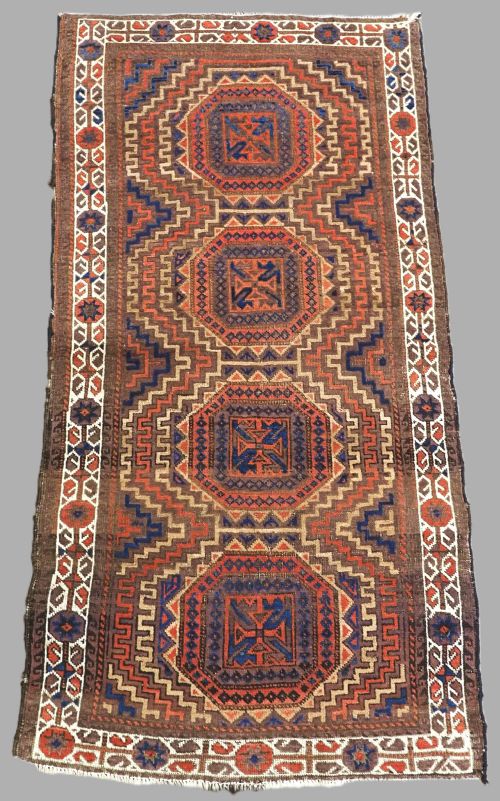
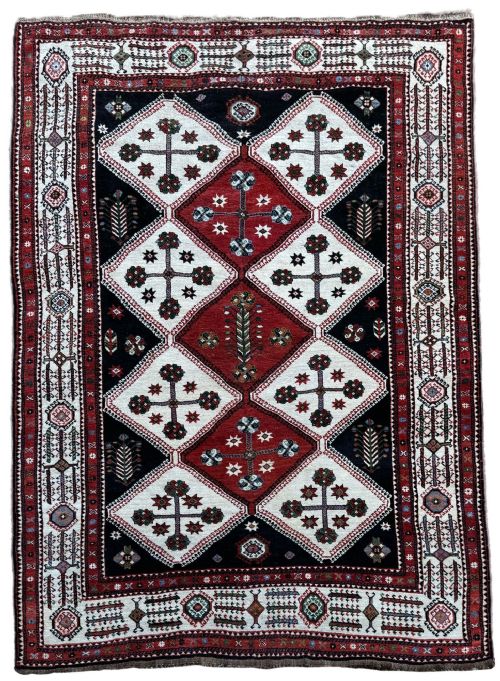
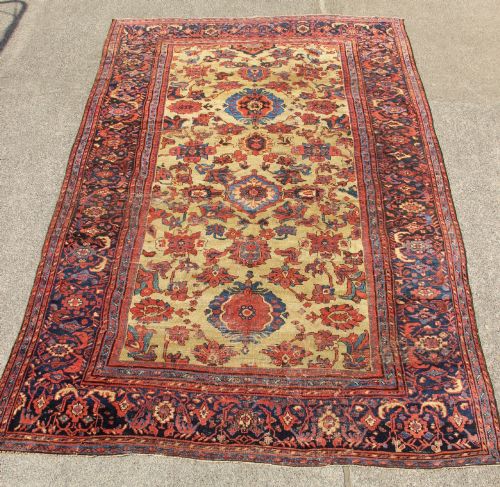
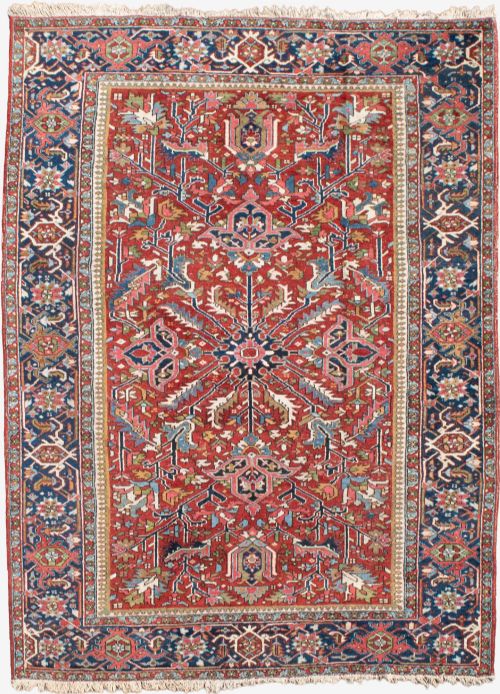


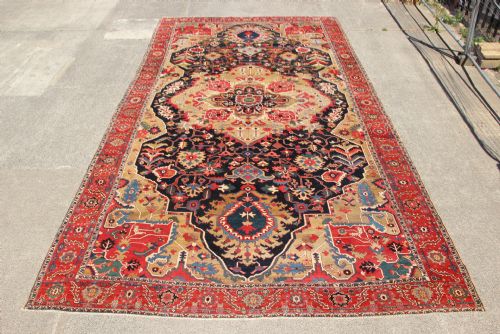
Large Area Floor Carpet
A large area floor carpet anchors a substantial room with centuries of woven artistry and grounding presence.
Large Area Floor Carpet
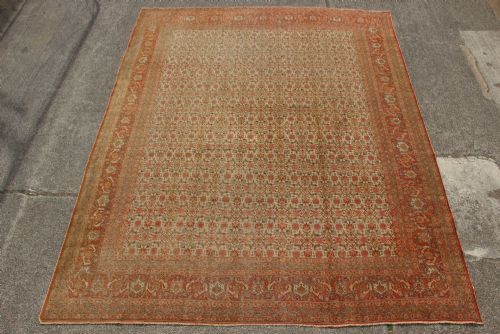
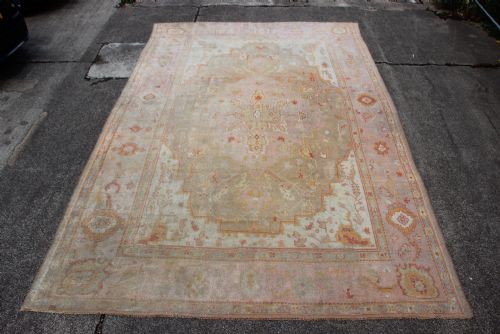
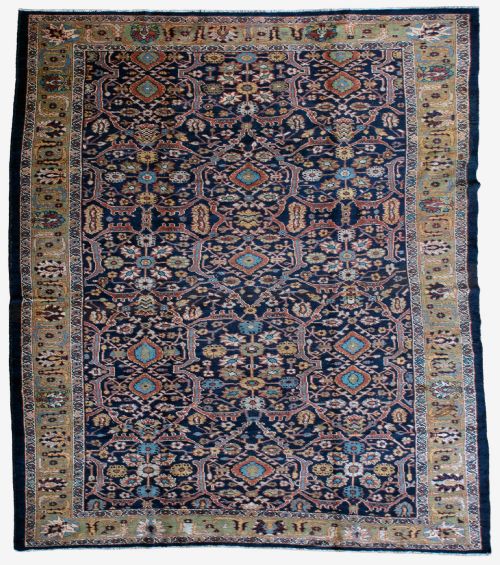
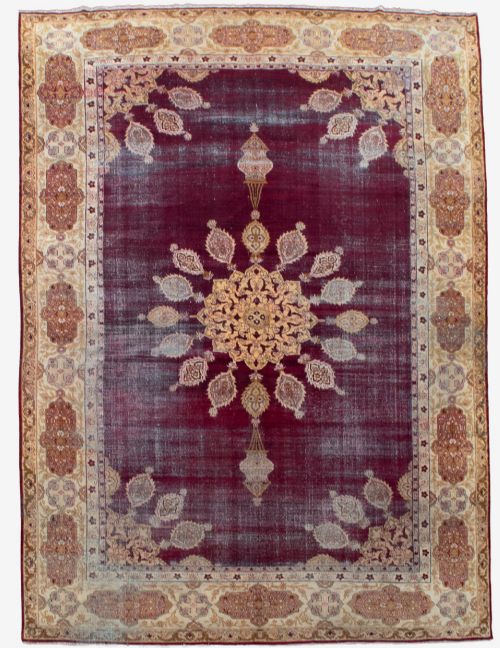
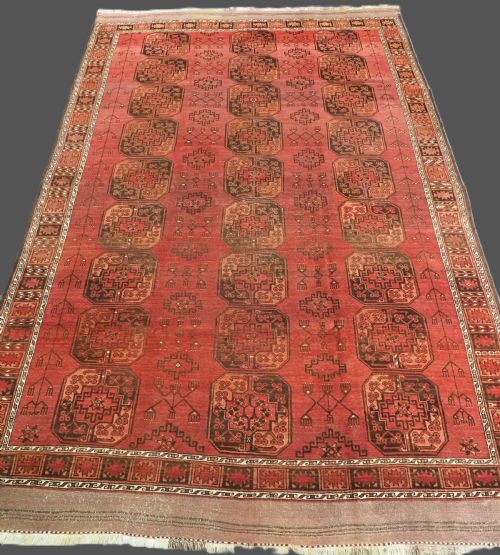
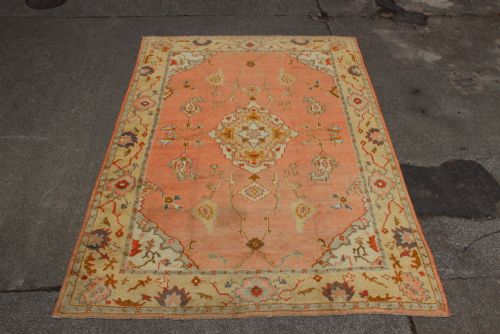
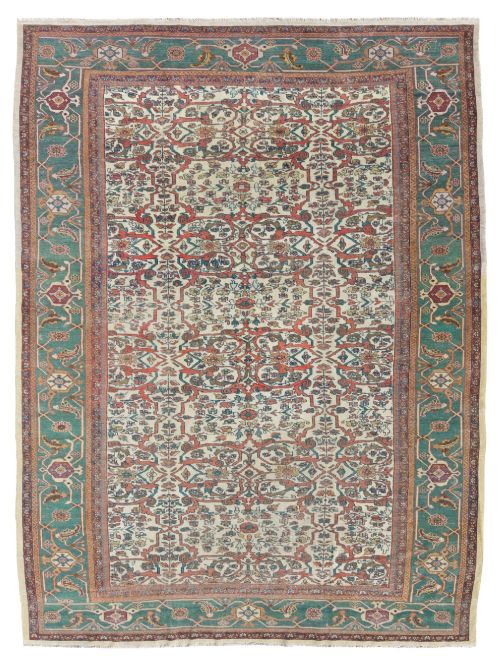
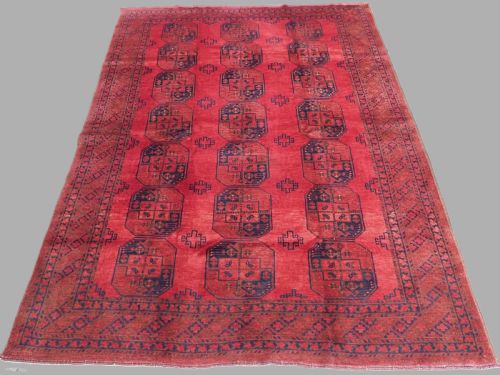
When searching for a large area floor carpet, collectors encounter room-sized antique textiles designed to cover significant floor space. The selections span major weaving traditions from Persian centres like Heriz, Tabriz, and Mahal alongside broader Anatolian and tribal workshops. These grand floor coverings bring historical weight and complex patterning directly into domestic interiors.
The pieces on this page originate predominantly from the nineteenth and early twentieth centuries, capturing periods when workshops produced robust floor textiles for substantial spaces. Common forms include grand Heriz carpets, pale Oushaks, and expansive country house carpets from Amritsar. Each specimen delivers the substantial scale required for principal reception rooms and wide halls.
How they were made
Traditional weavers constructed these carpets primarily using wool foundations and surface piles, occasionally incorporating cotton for structural strength and crisp foundation lines. Hand-knotting techniques bound the woollen fibres securely to the warp and weft threads, creating dense piles capable of withstanding heavy foot traffic. Natural dyes derived from plants and minerals provided the rich palette seen across nineteenth-century examples.
Workshop artisans executed intricate geometric and floral motifs by hand, following traditional designs passed through generations of weavers. Larger formats required months or years of collaborative labour on vertical looms, ensuring structural integrity across extensive surface areas. The interaction of hand-spun wool and natural colourants gives these carpets their characteristic tactile depth.
Listings feature Persian, Anatolian, and Turkmen traditions from the nineteenth and early twentieth centuries.
What varies in quality
Quality in these large carpets rests upon the precision of the knotting and the complexity of the design execution. Tighter knots per square inch produce sharper pattern definition and superior durability over centuries of use. Master weavers achieved greater harmony in proportion and colour saturation, distinguishing exceptional workshop pieces from standard village productions.
The handling of natural dyes also dictates the visual calibre of a carpet, with nuanced tonal variations indicating superior dye baths. The integrity of the foundational wool and the retention of original borders contribute substantially to the overall standing of the piece. Superior examples maintain structural soundness alongside vibrant, harmonious palettes across their vast surfaces.
Haji Jalili
The Large Area Floor Carpet Glossary
- Warp
- The vertical threads stretched on the loom that form the structural foundation of the carpet. Visible fringes at the ends of the rug are typically the extension of these warp threads.
- Weft
- The horizontal threads passed between warp threads to bind the knots in place. They cross the carpet widthwise to secure the pile rows.
- Pile
- The dense surface layer of wool fibres standing upright from the woven foundation. The height and density of this layer determine the tactile feel and durability of the carpet.
- Gul
- A medallion or repeating floral motif often found in tribal carpets. These octagonal or polygonal designs frequently identify specific weaving groups or regions.
- Border
- The decorative framing bands that enclose the central field of the carpet. Multiple guard stripes usually flank the main border to contain the composition.
Large Area Floor Carpet: Frequently Asked Questions
How do I choose the right size?
Measure the floor space of your room carefully, allowing a generous margin of exposed flooring around the perimeter of the carpet. Large area formats demand adequate clearance from walls and heavy furniture to display their central medallions and borders properly.
Consider the traffic flow within the space when selecting dimensions. A well-proportioned carpet anchors the seating arrangement while leaving enough walking space on the bare floor.
Where should I place these carpets?
These grand textiles suit principal reception rooms, dining halls, and wide libraries where their substantial dimensions can be fully appreciated. Their durable wool construction handles everyday foot traffic while providing warmth and acoustic softening to large spaces.
Avoid placing antique wool carpets in areas prone to dampness or direct, harsh sunlight. Proper placement preserves the natural dyes and structural integrity of the fibres for decades to come.
How do I care for antique wool?
Regular gentle vacuuming without a beater bar removes trapped dust from the wool pile without damaging the foundation threads. Professional cleaning by specialists in antique textiles ensures safe washing without bleeding the natural dyes.
Rotate the carpet periodically to ensure even wear across the surface from foot traffic and sunlight exposure. Prompt attention to spills using dry absorbent cloths prevents staining.
How are different regional styles identified?
Regional attribution relies upon distinctive drawing styles, palette choices, and structural characteristics unique to specific weaving centres. For instance, Heriz carpets often feature bold geometric medallions, while Oushaks display softer, more expansive floral treatments.
Examining the knotting density and materials used in the foundation helps confirm the geographic origin. Each weaving tradition utilised specific colour combinations and border arrangements passed down through generations.