


Oriental Lacquered Sideboard
An oriental lacquered sideboard brings rich red and black surfaces, gilt detailing, and centuries of cabinet-making tradition directly into a modern room.
Oriental Lacquered Sideboard
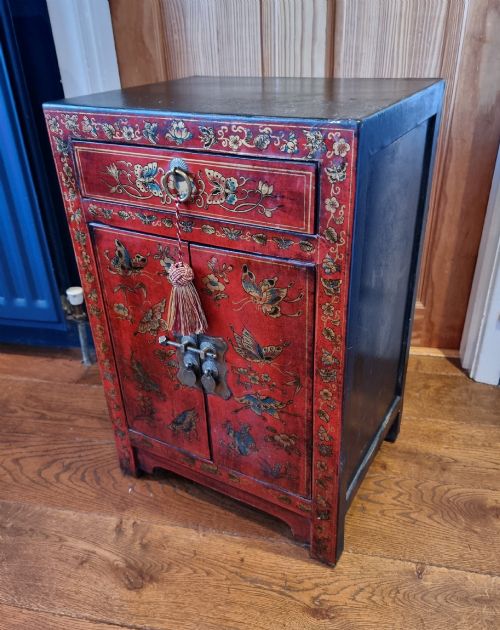
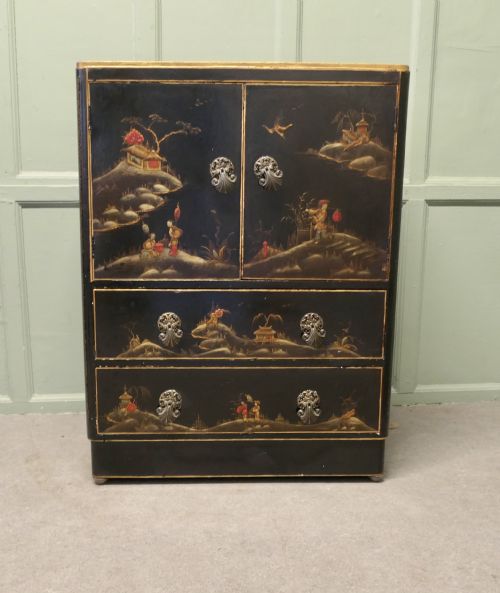
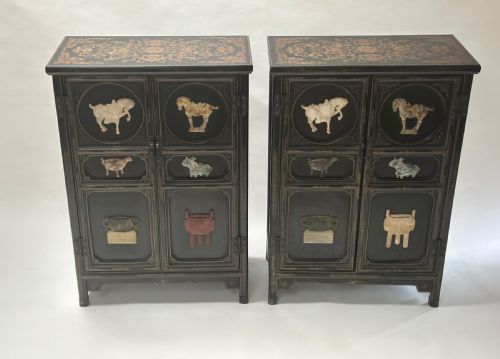
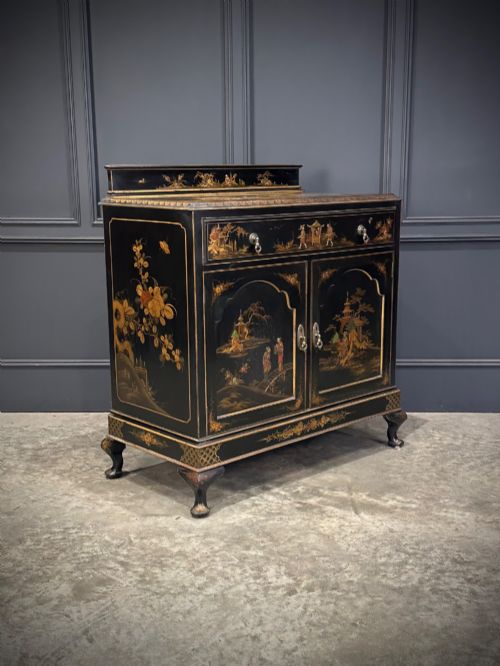
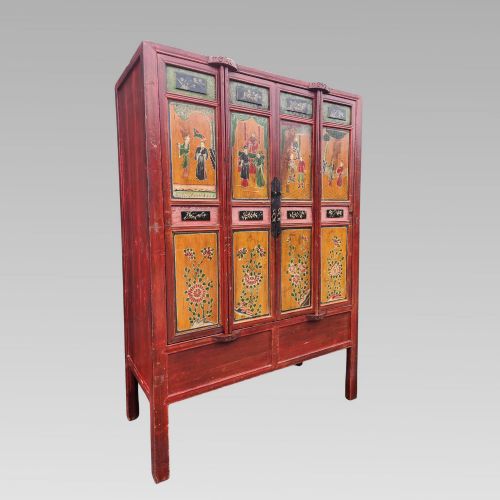
An oriental lacquered sideboard encompasses a diverse range of low storage units, cupboards, console tables, and cabinets originating primarily from Chinese provincial and Qing Dynasty traditions, alongside British Regency interpretations in the Chinoiserie style. Buyers seeking an oriental lacquered sideboard will encounter pieces predominantly fashioned during the nineteenth and early twentieth centuries, featuring bold red or black finishes decorated with birds, flowers, and traditional motifs.
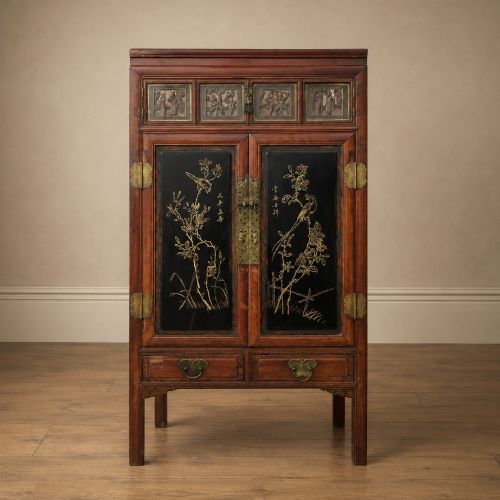
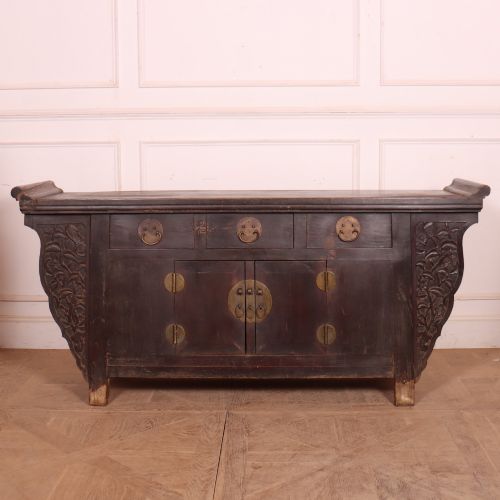
The selection ranges from tall storage marriage cabinets and side cabinets to altar tables and console tables fitted with marble tops. Many examples incorporate stands, carved details, or gilt highlights that elevate the decorative impact of the timber beneath.
Provincial Chinese works sit alongside British Regency chiffoniers and sideboards created under the strong influence of Chinoiserie design. This mix provides varied proportions and forms suitable for contemporary living spaces requiring substantial storage or surface display.
Materials and Construction Techniques
Construction relies upon traditional timbers such as elm, pine, and general hardwoods selected for structural stability. These wooden carcasses receive layers of lacquer to build durable, glossy surfaces in striking black or red hues.
Decoration often includes applied gilt, carving, and inlaid elements that define the Chinoiserie aesthetic. Metal fittings, specifically brass handles and hinges, provide functional contrast against the dark or brightly coloured lacquered panels.
Factors Determining Quality
Quality rests significantly upon the depth and preservation of the lacquer finish, together with the crispness of any carved or gilded decoration. Pieces retaining vibrant red or deep black tones alongside intricate hand-painted motifs display superior craftsmanship.
The integrity of the underlying timber framework, whether elm or general hardwood, dictates structural longevity. Refined proportions and well-executed joinery separate standard provincial utility items from more ambitious export and marriage cabinets.
The Oriental Lacquered Sideboard Glossary
- Chinoiserie
- European decorative style reflecting Chinese artistic influences, popular during the Regency period and later adapted on various cabinets. It typically employs motifs of figures, landscapes, and flora.
- Lacquer
- A durable resin finish applied in multiple layers to wood, creating a smooth surface that takes rich pigments like red and black. It protects the underlying timber while providing a glossy canvas for decoration.
- Qing Dynasty
- The final imperial dynasty of China, spanning from the seventeenth to the early twentieth century. Pieces from this era often feature traditional carving and distinctive regional characteristics.
- Altar Table
- A long, narrow table traditionally used in Chinese domestic or ceremonial settings, distinguished by upturned flanges or carved aprons. These forms frequently translate well into modern sideboards or console tables.
- Chiffonier
- A low sideboard or cabinet developed during the Regency period, often fitted with shelves or cupboards. British interpretations frequently incorporated Chinoiserie lacquer decoration.
Oriental Lacquered Sideboard: Frequently Asked Questions
How do I date an oriental lacquered sideboard?
Dating relies upon examining construction methods, timber choice, and the style of decoration applied to the cabinet. Nineteenth-century pieces often display hand-cut joinery and specific regional Chinese or Regency design traits.
Changes in hardware, such as brass hinges and locks, further help establish whether a piece belongs to the Qing Dynasty or the early twentieth century.
What is the difference between Chinese and Regency Chinoiserie pieces?
Chinese pieces originate from regional workshops and dynasties, utilising native timbers like elm alongside traditional lacquer techniques. They reflect domestic storage needs such as marriage or altar use.
Regency Chinoiserie pieces are British interpretations made to satisfy European tastes for oriental decoration, typically applying lacquer finishes to domestic furniture forms like chiffoniers.
Where should I place a lacquer sideboard in my home?
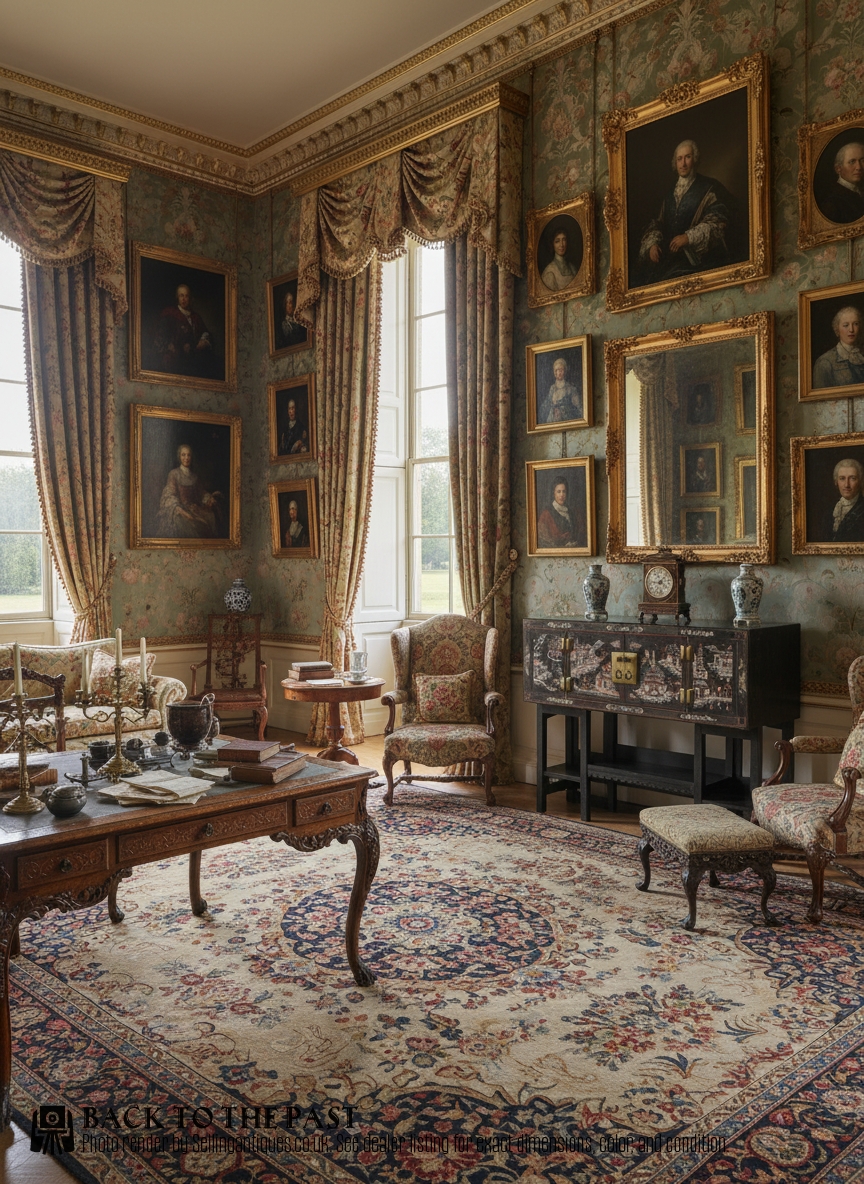
These sideboards function effectively in dining rooms, hallways, or living spaces where they provide both surface display and concealed storage. Their bold red or black finishes make them natural focal points against neutral walls.
Consider pairing them with minimalist surroundings to allow the detailed lacquer work and gilt motifs to stand out without visual competition.
How should I clean a lacquered wooden surface?
Dust the surface regularly with a soft, dry cloth to prevent abrasive particles from accumulating on the lacquer. Avoid using chemical sprays, abrasive cleaners, or excessive moisture.
Maintaining a stable room temperature away from direct sunlight protects the lacquer and underlying timber from cracking or fading over time.