
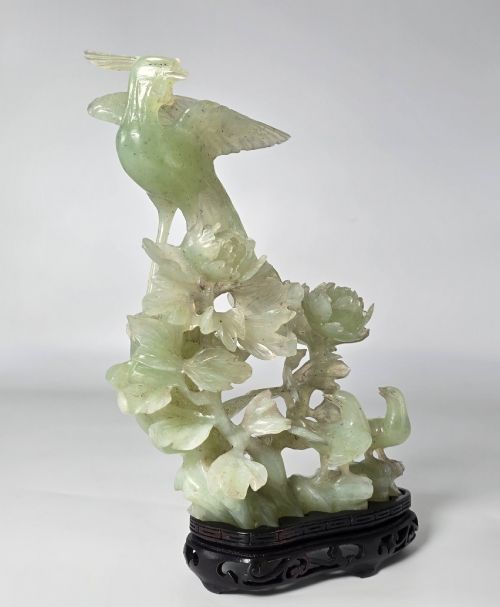


Oriental Jade Ornament
An oriental jade ornament brings carved nephrite and jadeite into your study, ranging from pale celadon scholar's pieces to Republic period pendants.
Oriental Jade Ornament
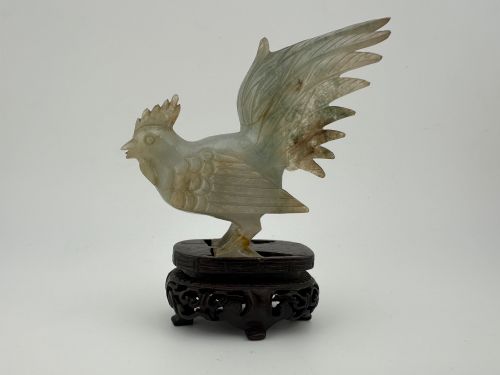
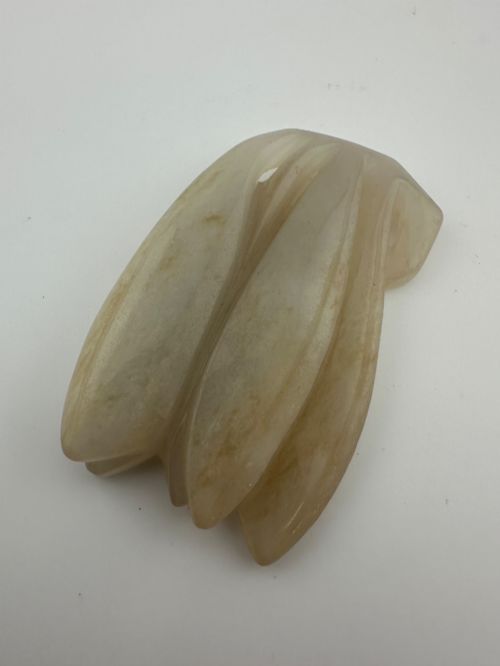
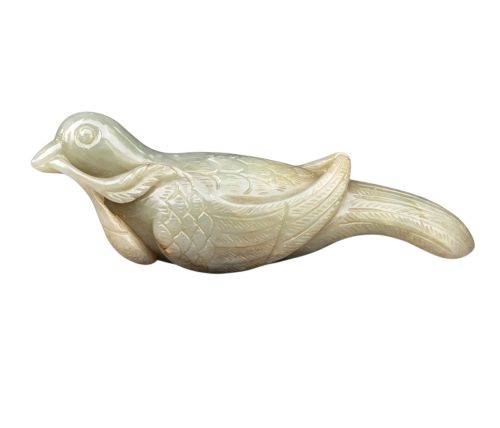
When you search for an oriental jade ornament, you encounter a diverse array of miniature sculptures, scholarly desk accessories, and decorative carvings. These pieces span from the 18th century Qing Dynasty up to the 1930s, reflecting centuries of lapidary tradition.
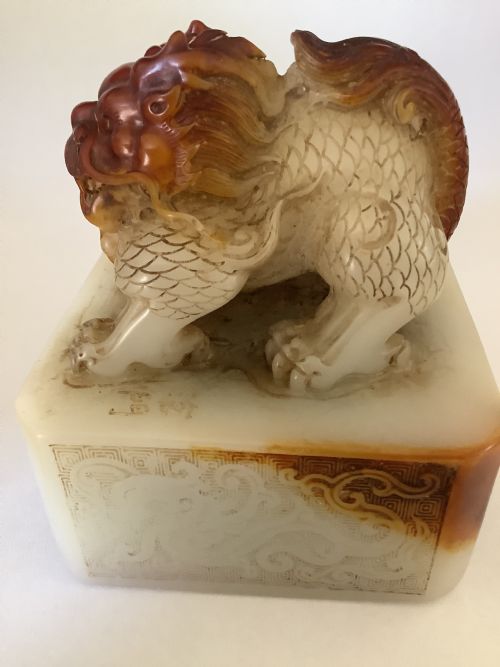
The selection on this page is dominated by intricate carvings of animals, mythical beasts like the Pixiu or dragon, and functional objects mounted in silver or set upon hardwood stands. Pale celadon jade and hardstone varieties feature frequently among these historical items.
Materials and carving techniques
Carvers utilised hardstones such as nephrite and jadeite, shaping dense material through abrasive grinding and rotary drilling techniques. These methods allowed artisans to achieve high detail in aquatic motifs, landscape sculptures, and figurative pendants.
Many sculptures are complemented by secondary materials, including fitted hardwood stands and silver mounts. Enamel work and delicate pierced carving further enhance the complexity of these decorative vessels and desk seals.
Judging quality in jade
Quality rests upon the purity and colour variation of the stone, alongside the depth and fluidity of the carving. Superior pieces display crisp definition in complex subjects like dragons or foliage without losing the natural lustre of the jade.
The harmony between the natural inclusions in the stone, such as russet skin, and the design marks the separation between standard decorative objects and exceptional scholar's pieces. Integrated hardwood stands and well-executed silver mounts also influence the overall standard.
The Oriental Jade Ornament Glossary
- Celadon
- A pale green or greyish-green glaze or stone colour resembling jade. It is frequently seen in 18th and 19th-century scholar's objects.
- Nephrite
- One of the two distinct mineral species recognised as jade, known for its dense fibrous structure and toughness. It appears in various white, pale green, and celadon tones across these pieces.
- Jadeite
- A pyroxene mineral and the other primary material classified as jade, often displaying vibrant green or mottled colours. It is particularly characteristic of later Republic period pendants.
- Pixiu
- A mythical Chinese hybrid creature often depicted in carvings and pendants. It functions as a protective guardian in traditional iconography.
- Brush Washer
- A small scholarly vessel used for rinsing calligraphy brushes during ink work. These items are frequently carved from pale celadon and russet jade.
Oriental Jade Ornament: Frequently Asked Questions
How do I care for antique jade?
Clean jade ornaments gently with a soft, damp cloth and dry them thoroughly with a lint-free towel. Avoid harsh chemical cleaners or ultrasonic baths, which can damage secondary materials like silver mounts or fitted hardwood stands.
Display your pieces away from direct sunlight and sudden temperature shifts to protect the integrity of the stone and any historical adhesives used in mounting.
How are Qing Dynasty pieces dated?
Dating relies upon stylistic markers, carving depth, motif conventions, and the specific characteristics of the jade material. Pieces from the Qianlong period often exhibit meticulous detail and specific imperial forms.
Later 19th-century and Republic period items show shifts toward more stylised foliage, different mounting techniques, and distinct mineral colours associated with changing workshop practices.
Can I use a jade magnifying glass?
Magnifying glasses set with jade handles and silver frames were produced in the 19th century as both decorative and functional accessories. They remain usable items today, provided they are handled with care.
The combination of polished stone and precious metal requires gentle storage to prevent scratching the glass or the surrounding jade rim.