



Oriental Hardwood Bonsai Stand
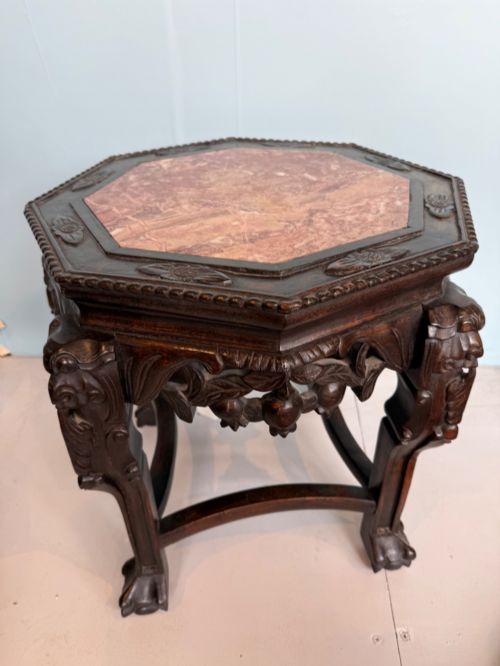
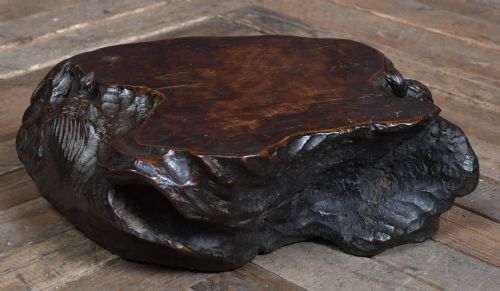
An oriental hardwood bonsai stand elevates miniature trees and decorative vessels with carved detail and dense timber.
Oriental Hardwood Bonsai Stand
When a buyer searches for an oriental hardwood bonsai stand, they encounter low tables, pot supports and pedestal forms designed to display plants and decorative objects. These pieces originate primarily from nineteenth century China and Japan, spanning the Qing Dynasty, Meiji and Taisho periods.
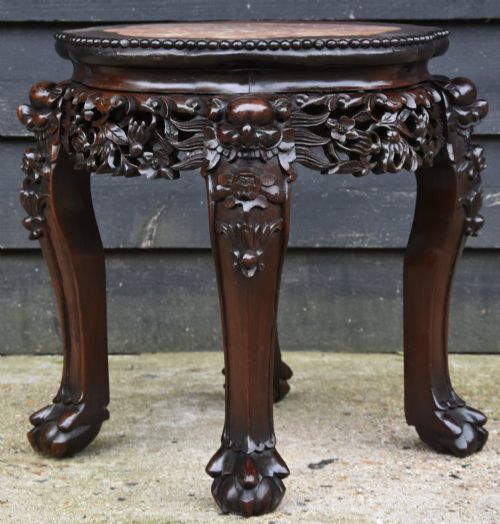
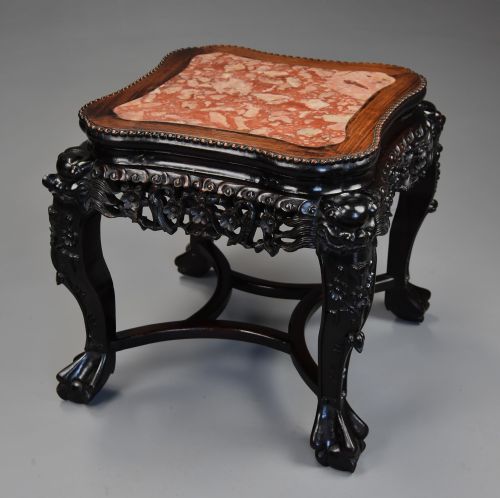
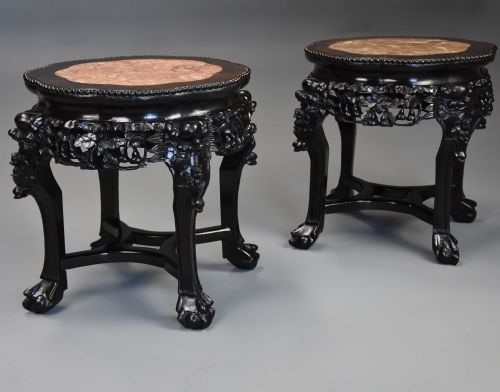
The version most commonly met on this page is the low plant stand or jardiniere base, often featuring a shaped top and intricate carving. They serve as functional display platforms for bonsai trees, vases and scholar's items.
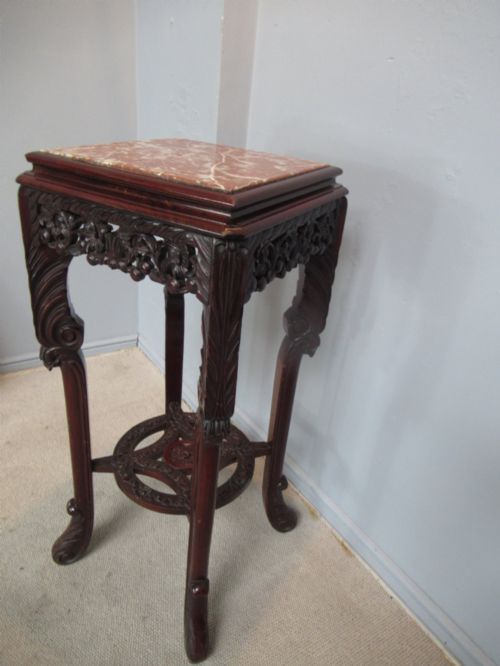
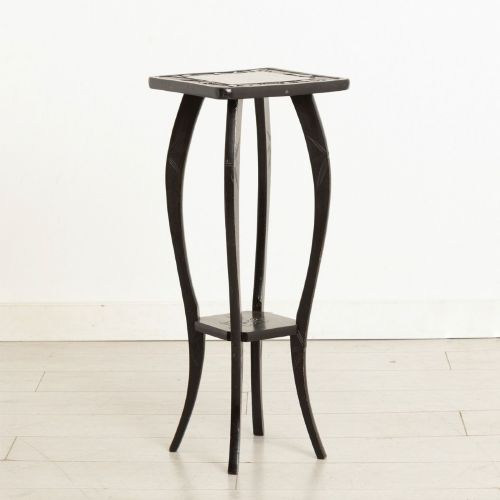
Forms range from small square coffee tables and kang opium tables to tall pedestals and urn stands. Each object reflects traditional Asian joinery and decorative motifs adapted for domestic display.
Materials and construction methods
Cabinetmakers utilised dense exotic timbers including rosewood, hongmu, padouk, huali and ebonised wood to build these stands. These heavy hardwoods allow for intricate relief carving without compromising structural integrity.
Many examples incorporate inset marble panels into the timber top, providing a cool, smooth surface that contrasts with the warm grain of the surrounding wood. Joinery relies on traditional interlocking techniques rather than modern metal fasteners.
Assessing quality in carved stands
The crispness of the hand carving distinguishes superior pieces from standard production, with finer examples showing deep undercut relief and clean detailing on floral and zoomorphic motifs. The selection of the timber grain, particularly in rosewood and hongmu, dictates visual depth.
Structural stability and the precise fitting of inset marble tops separate master-built stands from simpler workshop pieces. Weight and density in the timber indicate the maturity of the wood used by the maker.
Liberty of London
The Oriental Hardwood Bonsai Stand Glossary
- Hongmu
- A traditional Chinese term for dense red hardwoods used in fine furniture and display stands. It patinates deeply over time.
- Padouk
- A heavy, durable timber prized for its reddish-brown colour and stability in carved furnishings. It resists warping under heavy loads.
- Jardiniere
- A large decorative pot or container for plants, which these stands were frequently built to elevate. They form a matching pair with the supporting table.
- Meiji Period
- A Japanese historical era lasting from eighteen sixty-eight to nineteen twelve, known for refined hand-carved decorative arts. Pieces from this time often display naturalistic animal and plant motifs.
Oriental Hardwood Bonsai Stand: Frequently Asked Questions
What is an oriental hardwood bonsai stand used for?
These low tables and pedestals elevate potted plants, bonsai trees and decorative ceramic vases above floor level to showcase them properly.
They function as individual display platforms in a room, highlighting the specific silhouette of the object placed upon them.
How do I care for a marble top stand?
Clean the timber frame with a soft, dry cloth and avoid harsh chemical polishes that can damage the antique wax finish.
Protect the marble inset from moisture rings and acidic liquids by using coasters or barrier pads beneath flower pots.
What woods are typical for these stands?
Cabinetmakers relied on dense tropical timbers such as rosewood, hongmu, padouk and huali wood for their strength and rich colour.
These heavy woods tolerate intricate hand carving and support the weight of stone and ceramic vessels safely.
How do I date a nineteenth century stand?
Examine the tool marks, timber shrinkage and patination of the wood surface to gauge the age of the piece.
Compare the carving style against known periods like the Qing Dynasty or the Japanese Meiji period recorded in the listings.