



Oriental Guardian Dog Figures
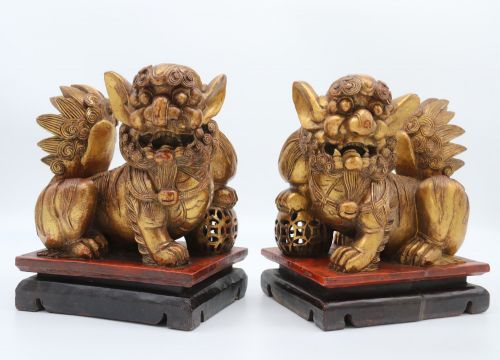
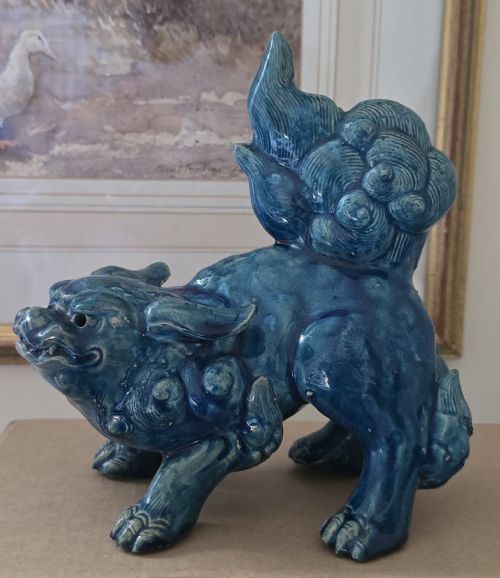
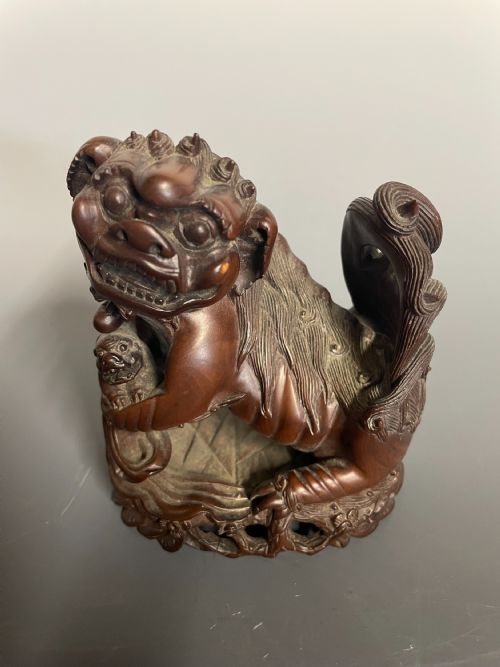
These oriental guardian dog figures are traditional sculptural protectors rendered in bronze, ceramic, and wood, valued for bringing historical weight and symbolic presence to a room.
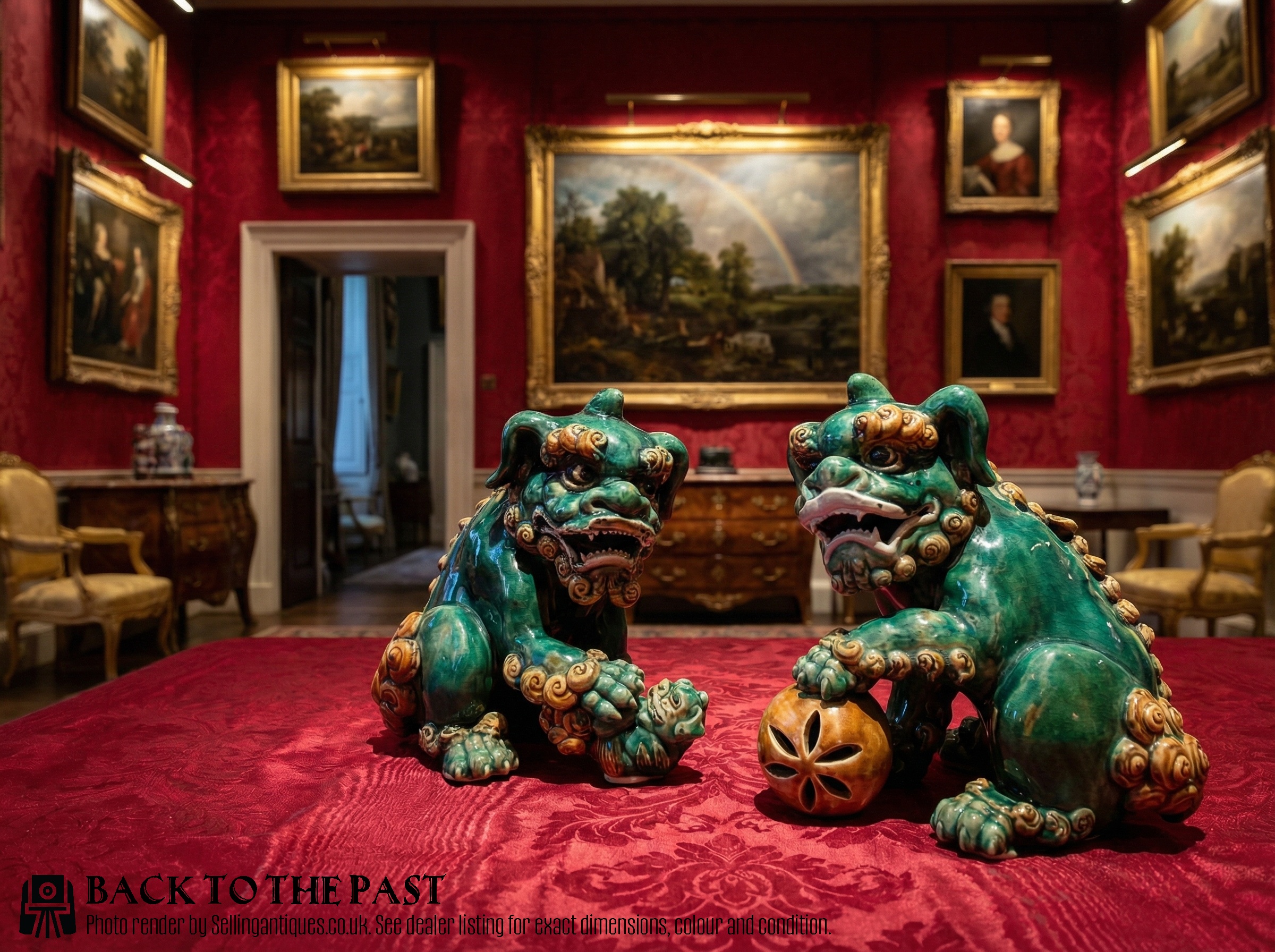
Oriental Guardian Dog Figures
Oriental guardian dog figures are traditional sculptural protectors that take the form of Chinese Buddhist lions, temple lions, and shishi. When you search for oriental guardian dog figures, you encounter pairs and single sculptures originating from Chinese, Japanese, Tibetan, and Burmese traditions. These pieces serve as both decorative figures and symbolic sentinels designed to ward off negative energy.
The selections span the nineteenth century, the Victorian era, and the Japanese Meiji period, reflecting diverse regional aesthetics. You find them modelled as freestanding sculptures, temple guards, and bookends across this page. Ceramic interpretations appear frequently alongside heavy metal castings and carved wood examples.
How they were made
Makers shaped these guardian figures using traditional casting, carving, and ceramic firing techniques appropriate to their regional workshops. Bronze and brass versions utilise metal casting methods, sometimes enhanced with gilt or enamelling, while iron examples demonstrate heavy industrial casting. Tibetan and Chinese metal pieces often show detailed chasing and finishing on the surface.
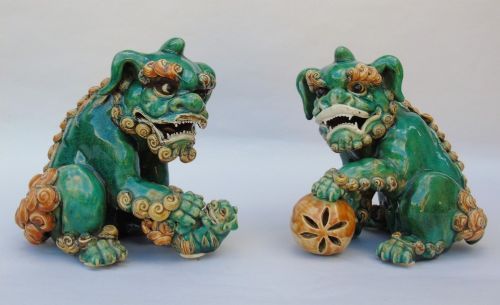
Carved pieces employ boxwood, root wood, and gilt wood, where artisans carved intricate details into the grain. Ceramic and porcelain sculptures utilise glazes including turquoise, pale green, sancai, and polychrome enamel finishes. Earthenware and pottery models receive similar surface treatments before firing to achieve their characteristic coloration.
Some heavy temple guardians weigh up to thirty-five kilos, ensuring they protect your shelf with absolute physical authority.
What varies in quality
The choice of material also dictates the standard of the piece, with substantial bronze castings and finely potted porcelains representing the upper tier of production. Surface treatments such as multi-layered lacquer, detailed gilt work, and controlled sancai glazes separate standard decorative objects from finer artistic works.
The Oriental Guardian Dog Figures Glossary
- Shishi
- A Japanese term for a temple lion or guardian dog derived from Chinese Buddhist tradition. These figures frequently appear in Meiji period ceramics and bronzes.
- Foo Dog
- A colloquial Western term for the Chinese guardian lions that traditionally stood outside imperial palaces and temples. They combine leonine and canine characteristics.
- Sancai
- A three-colour ceramic glaze technique traditional in Chinese pottery, typically employing amber, green, and cream or white tones.
- Meiji Period
- A period of Japanese history lasting from 1868 to 1912, known for sophisticated metalwork and ceramic production exported to the West.
Oriental Guardian Dog Figures: Frequently Asked Questions
How are temple lions used?
Temple lions were historically stationed in pairs outside important buildings to guard against harmful spirits and negative energy.
In domestic settings, collectors display them on mantelpieces, desks, or as bookends to anchor a room's decor.
How do I date a guardian figure?
Dating relies on examining the materials, casting methods, and glaze characteristics typical of specific periods like the nineteenth century or Meiji era.
Stylistic cues and wear patterns on the base help differentiate older temple pieces from later decorative interpretations.
Are these figures always found in pairs?
Many guardian dogs are created as pairs representing male and female counterparts, traditionally placed on opposite sides of an entryway.
Single figures also appear frequently across various materials, often serving as standalone sculptures or bookends.