




Oriental Geometric Floor Rug
An oriental geometric floor rug brings structured pattern and deep wool pile into a room.
Oriental Geometric Floor Rug
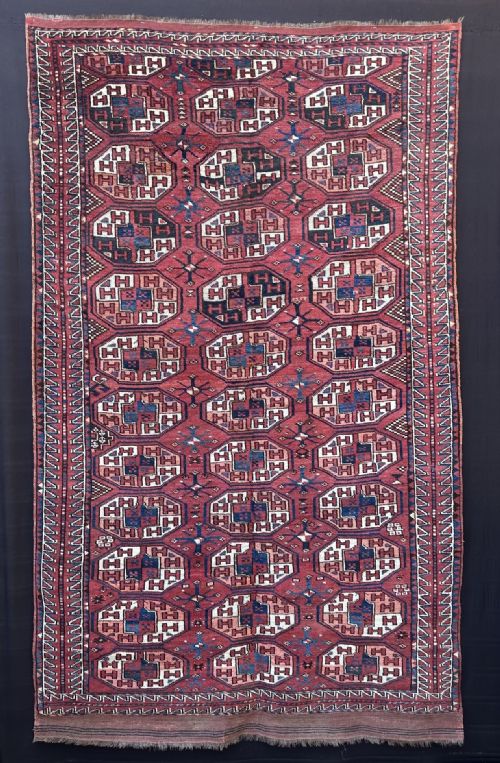
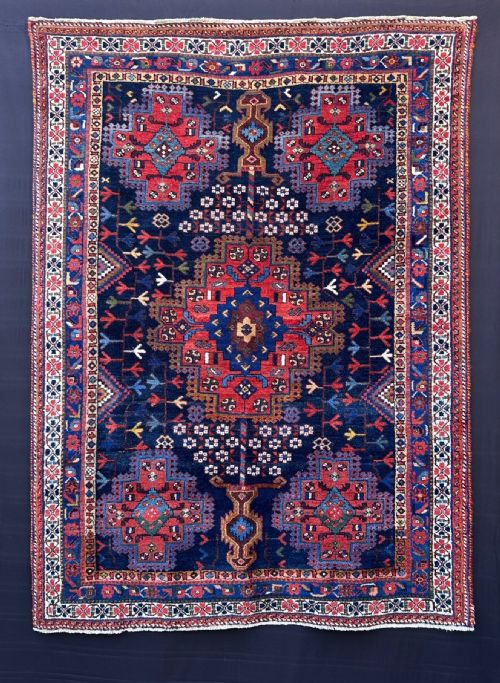
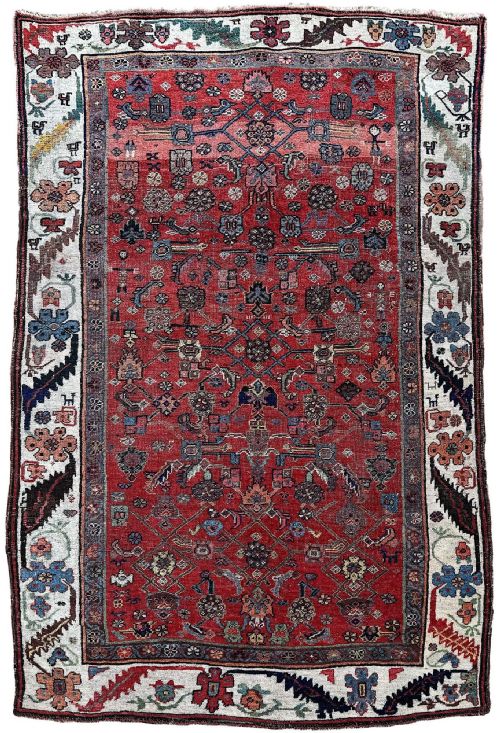
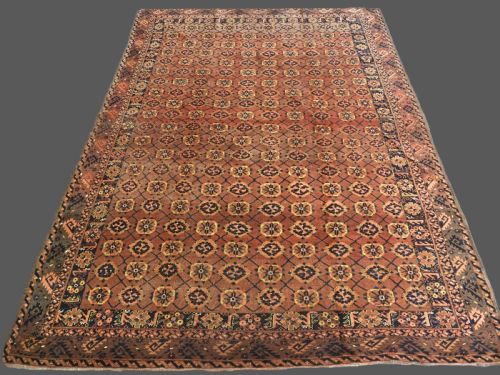
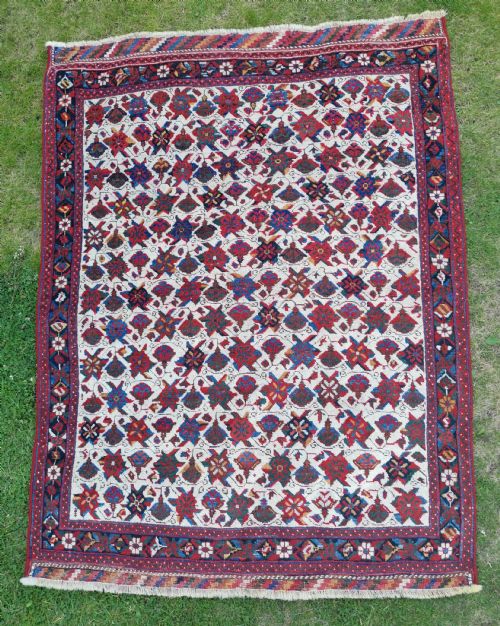
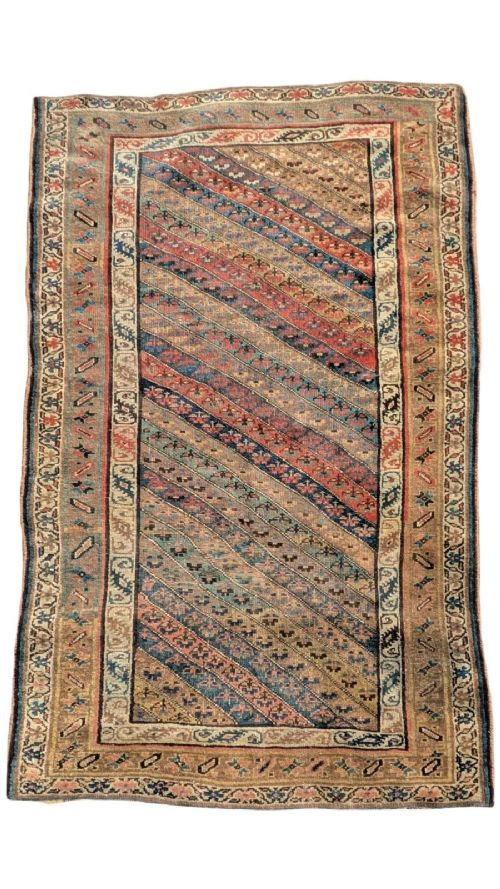
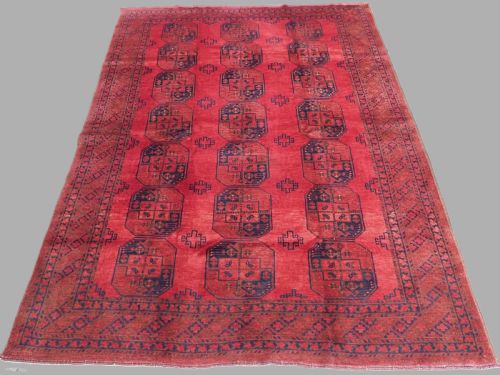
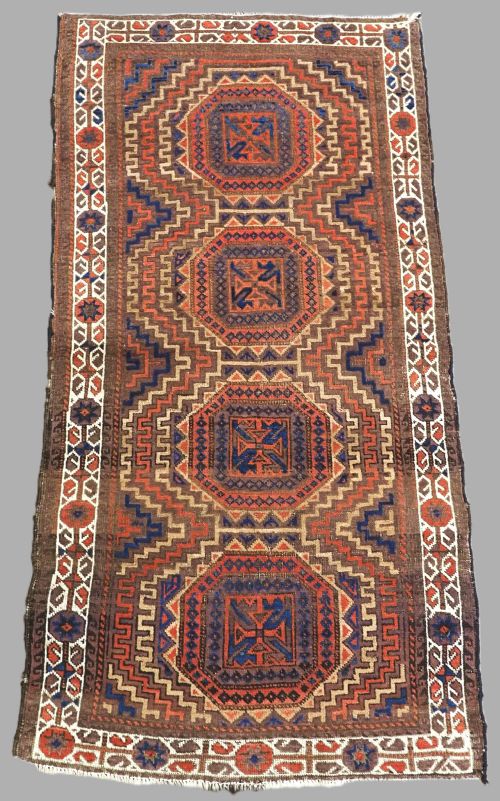
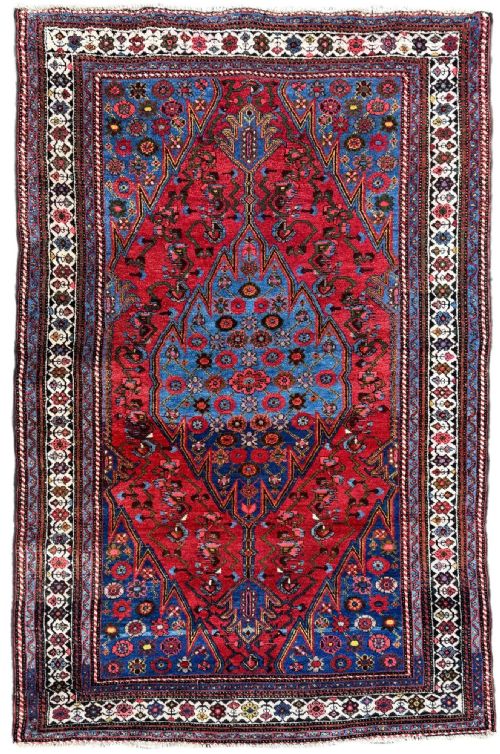
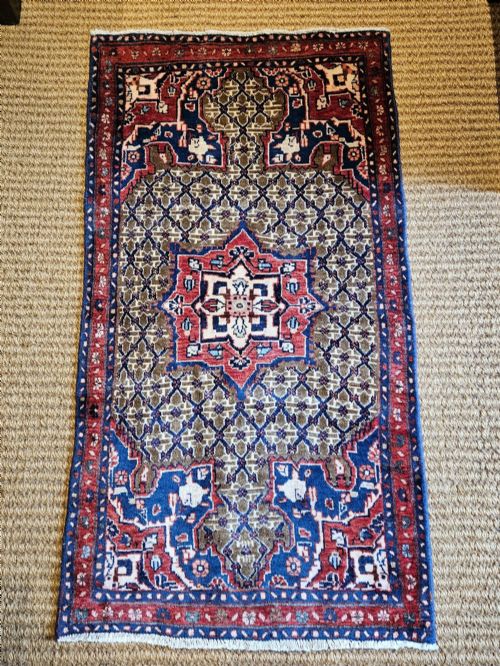
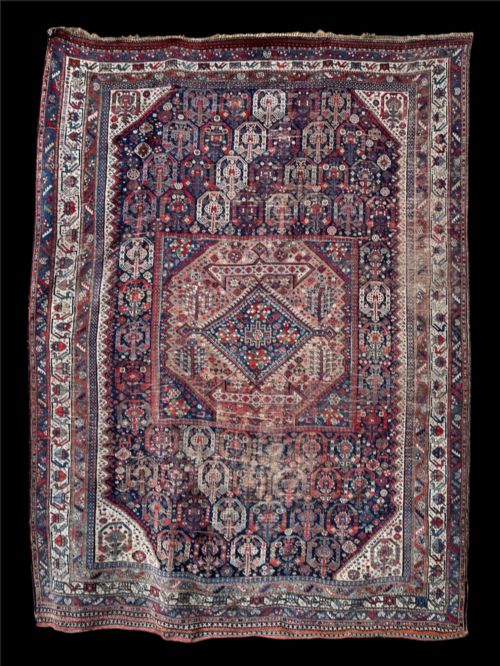
When you search for an oriental geometric floor rug, you encounter hand-knotted carpets and runners originating from Persian, Caucasian, and Turkmen tribal traditions. These pieces showcase medallions, repeating motifs, and rectilinear patterns woven across the nineteenth and early twentieth centuries. The selection spans hearth-sized runners and room-sized carpets dating from the 1870s through the 1930s.
Village and nomadic pieces dominate the selection, including Heriz, Afshar, Kazak, and Kurdish weaves. Buyers frequently meet formats such as hallway runners, area rugs, and large carpets produced in regions like the Caucasus, Central Asia, and Persia. Each textile reflects the distinct cultural design vocabulary of its specific weaving group or confederacy.
How They Were Made
These floor coverings utilise a foundation of spun cotton or wool warp and weft threads to support the dense pile. Artisans knotted hand-spun wool directly onto this foundation using traditional upright looms. Natural dyes derived from plants and minerals provided the rich palette of red, navy blue, sky blue, and ivory seen across the periods.
Weavers constructed each rug with specific knot densities that determined the firmness and drape of the textile. Nomadic and village makers employed local wool yields, resulting in varied textures from coarse tribal wool to finer city-market weaves.
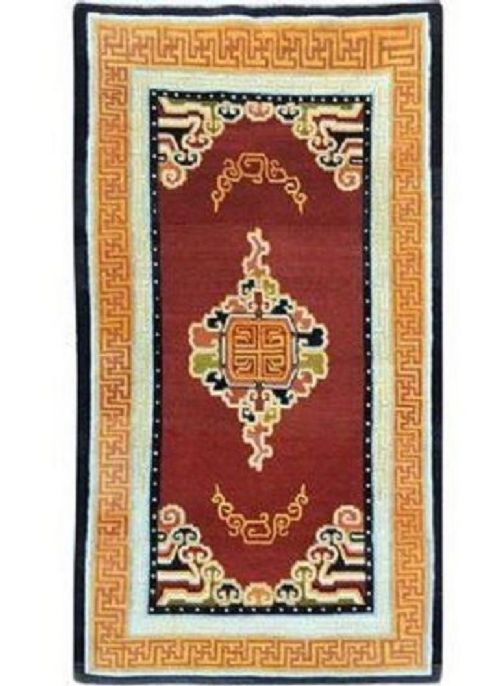
Geographic origins represented include Persia, the Caucasus, Turkmenistan, and Tibet.
What Varies in Quality
The sophistication of the design execution and the crispness of the rectilinear geometry set finer examples apart. Weavings with tightly packed knots and balanced proportions demonstrate superior craftsmanship compared to looser, simpler village variants. The depth and saturation of the natural dyes also influence the visual hierarchy within the range.
The integrity of the wool pile and the survival of the original outer borders dictate the preservation standard. Greater artistry in the drawing of medallions and tribal motifs marks the upper tier of these historical floor coverings.
The Oriental Geometric Floor Rug Glossary
- Gul
- A repeating medallion or octagonal design motif frequently found in Turkmen and Baluch tribal carpets. This primary emblem often identifies the specific weaving tribe.
- Warp
- The vertical foundation threads stretched lengthwise on the loom before knotting begins. These parallel threads carry the structural tension of the rug.
- Weft
- The horizontal threads passed alternately over and under the warp threads between rows of knots. This element binds the pile rows firmly together.
- Prayer Rug
- A smaller format textile featuring a specific niche design indicating the direction of Mecca. These pieces served devotional purposes in domestic settings.
- Runner
- A long, narrow carpet format designed specifically for hallways, corridors, and staircases. These pieces accommodate restricted spatial dimensions.
Oriental Geometric Floor Rug: Frequently Asked Questions
How do I clean an old wool rug?
Professional specialist cleaning is essential for historical wool textiles to protect natural dye stability. Regular gentle vacuuming without a rotating brush bar removes surface dust safely.
Avoid chemical detergents and excessive moisture, which can damage the organic fibres and cotton foundations. Consult a conservator experienced in antique carpets for deep maintenance.
Can these rugs handle heavy foot traffic?
Durable wool pile and sturdy cotton foundations allow these floor coverings to withstand normal daily use in living spaces. Placing a quality underlay beneath the rug prevents sliding and cushions the pile against wear.
Hallway runners and larger village carpets historically endured active domestic environments. Regular rotation ensures even distribution of foot traffic across the surface.
How are different regional styles identified?
Regional attribution relies on analysing the specific colour palette, structural materials, and characteristic geometric motifs. For example, Heriz carpets often feature bold central medallions and sturdy terracotta tones, while Caucasian Kazak rugs display sharp primary colours and large geometric blocks.
Border designs and knotting structures further distinguish pieces from the Caucasus, Persia, and Turkmenistan. Comparing the wool texture and fringe finish aids in pinpointing the origin.
What is the difference between a village and tribal rug?
Tribal rugs were woven by nomadic or semi-nomadic groups working on portable looms, resulting in freer, memory-based geometric patterns. Village rugs were produced by settled communities in specific agricultural regions with established local workshops and steady design traditions.
Nomadic pieces often incorporate spontaneous tribal symbols and irregular borders. Village weaves tend towards structured symmetry within their repeated field motifs.