



Oriental Flower Vase
An oriental flower vase brings together the meticulous artistry of Meiji Japan and Qing Dynasty China to anchor a room.
Oriental Flower Vase
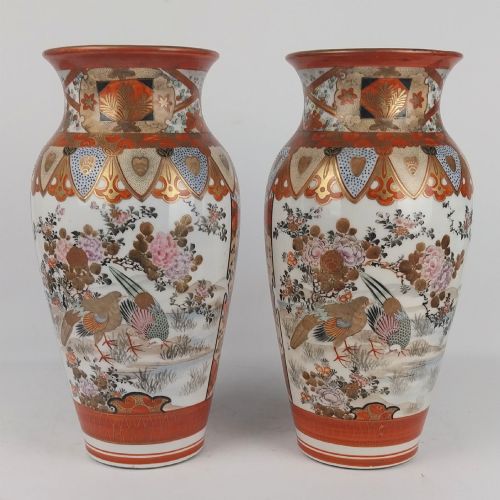
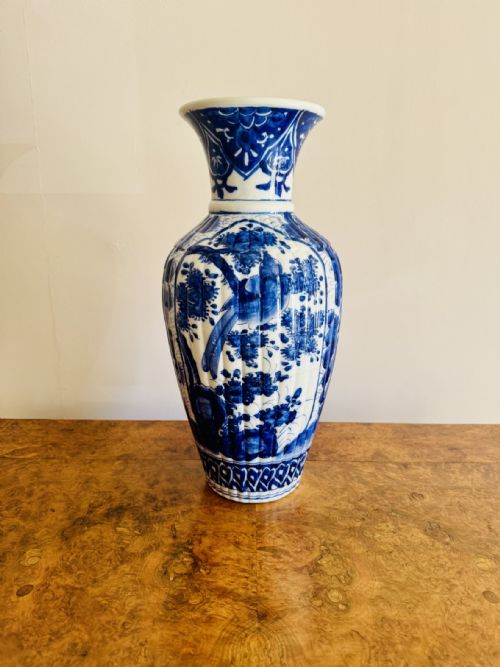
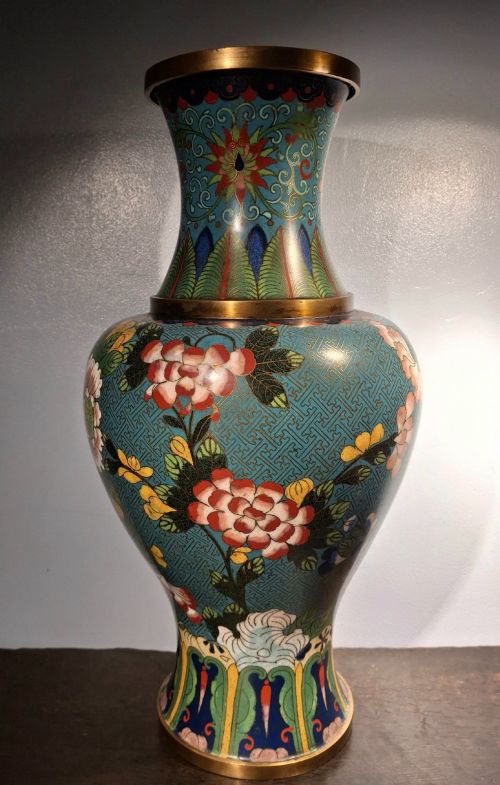
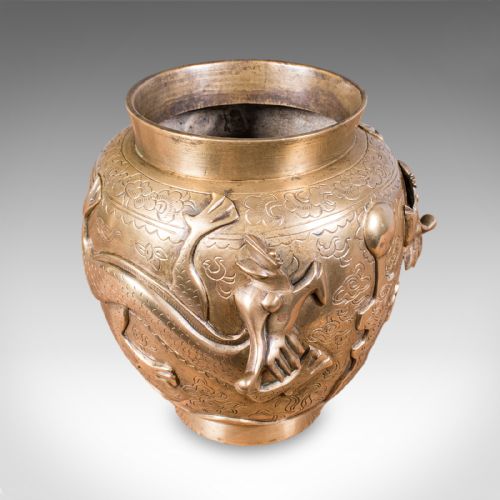
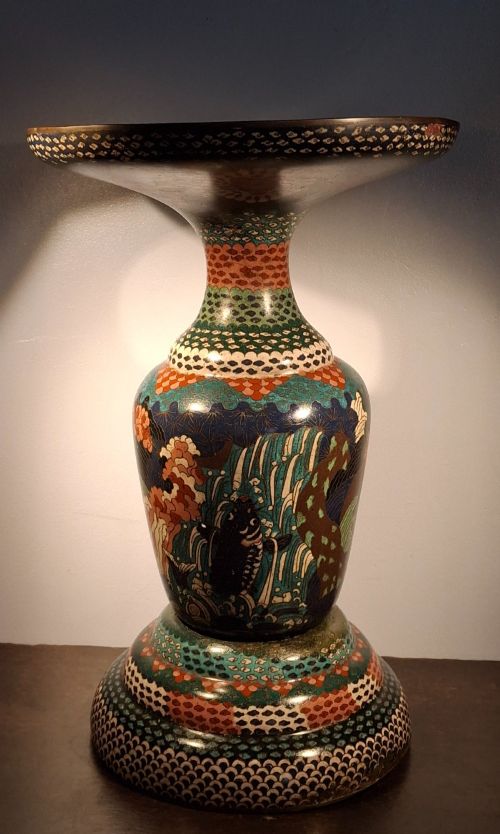
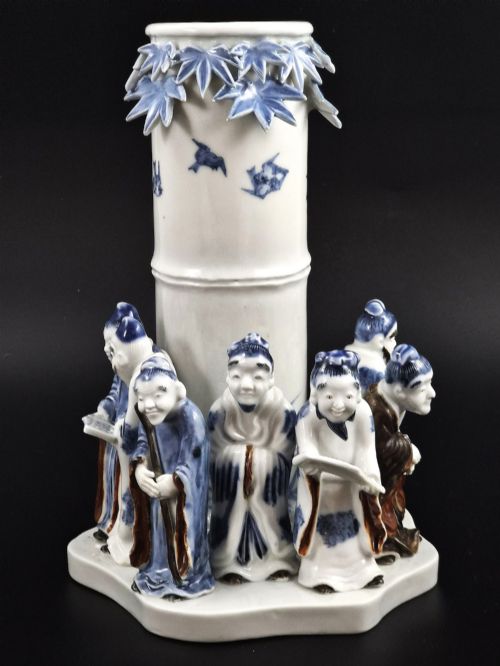
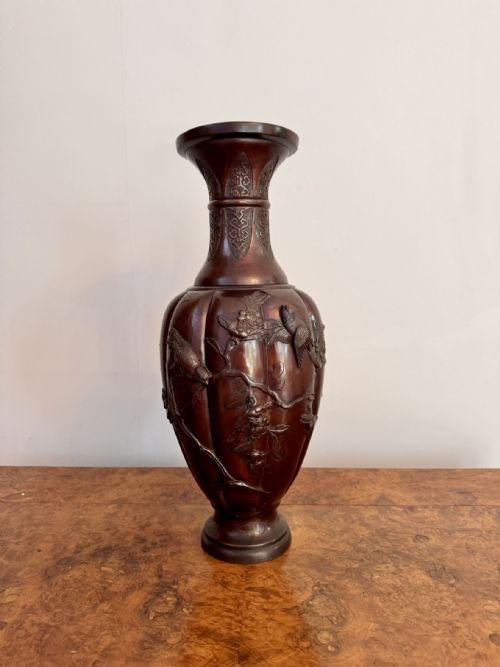
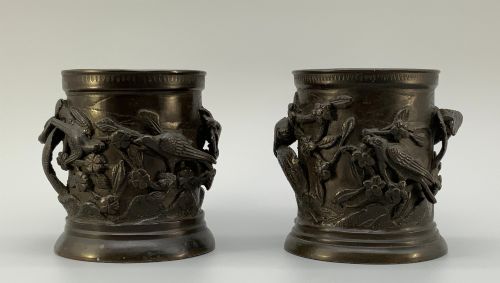
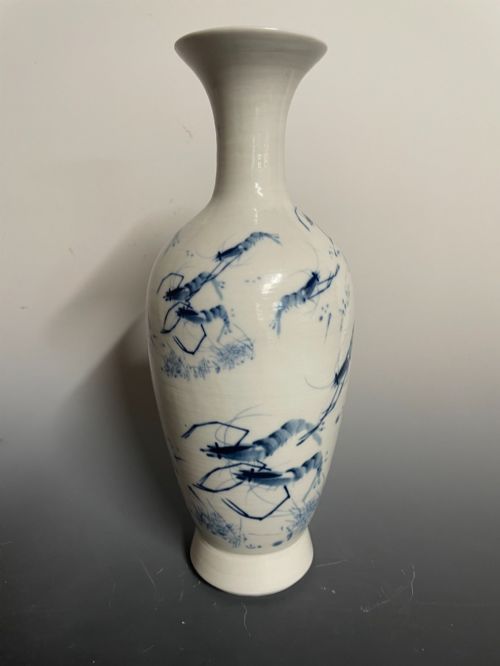
When you search for an oriental flower vase, you encounter a diverse gathering of vessels spanning the nineteenth and early twentieth centuries. These pieces originate predominantly from Japanese and Chinese workshops, taking the form of bronze vessels, delicate porcelain jars, and cloisonné enamel cylinders designed to hold floral arrangements or display on carved stands.
Most examples date from the Victorian and Edwardian eras up through the 1930s, reflecting the enduring European taste for imported Asian decorative arts during those periods. Buyers find both paired decorative urns intended for mantelpieces and singular signed bronzes suited to dedicated display.
How they were made
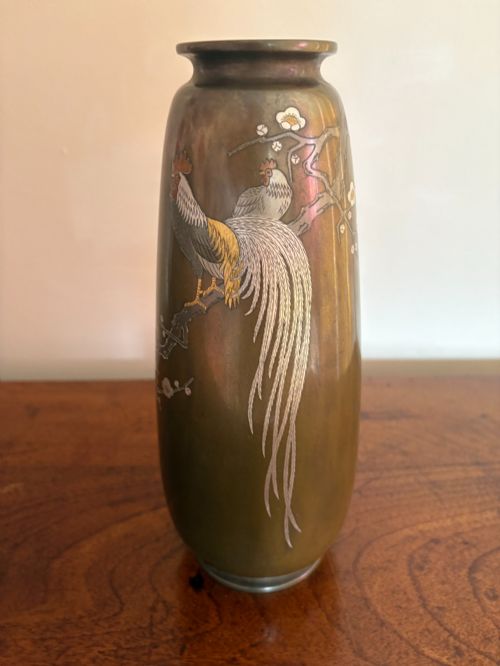
Makers utilised bronze, porcelain, and stoneware as foundational bodies, often applying intricate surface treatments such as silver wire cloisonné, mixed metal inlays, and multi-coloured enamel pigments. Japanese bronzes frequently exhibit raised botanical or avian details achieved through casting and chasing.
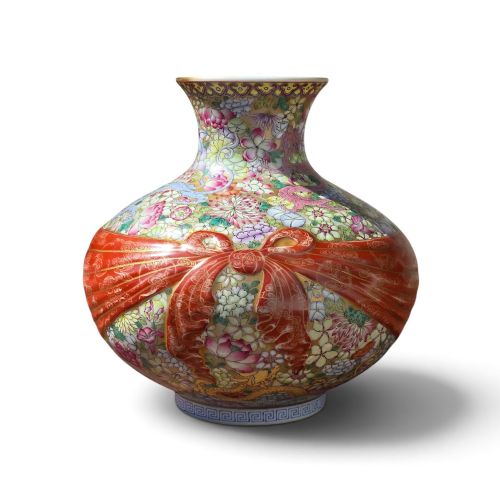
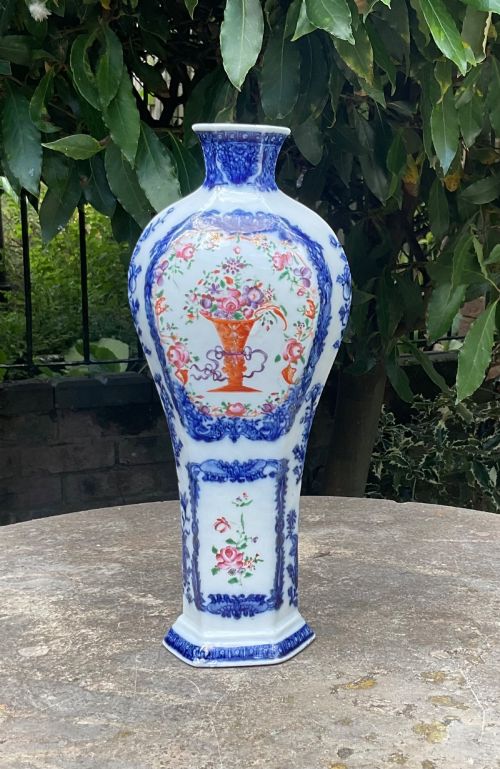
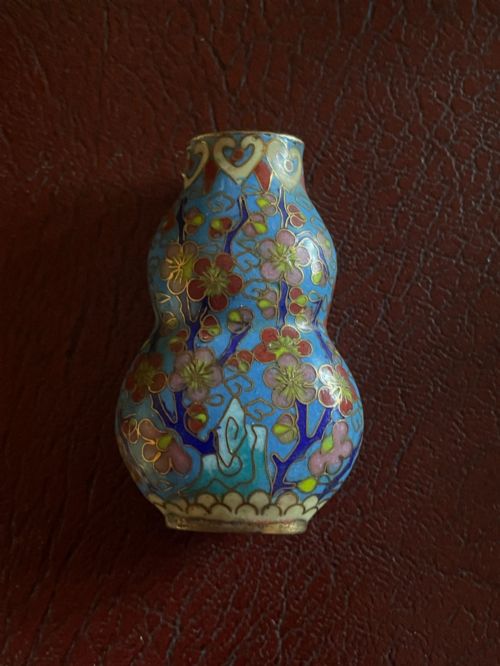
Chinese porcelain examples rely on skilled hand-painted overglaze techniques, including famille rose and millefleurs palettes, alongside iron-red detailing. Cloisonné works involve soldering thin metal wires onto a bronze or copper base to create cellular compartments filled with coloured enamel pastes before firing and polishing.
Wooden display elements accompanying these vases are typically fashioned from dense hardwoods like hongmu, carved with traditional motifs and fitted with inset marble panels to support heavy ceramic and bronze vessels.
Oriental Flower Vase Retail Price Guide 2026
Typical asking prices for oriental flower vase among the pieces listed under this phrase on Sellingantiques today, from the lower quarter to the upper quarter. They describe what is for sale here now, not the wider market.
Some garlic head vases were designed to resemble bulbous vegetables, bringing an unexpected botanical shape to nineteenth-century display shelves.
What varies in quality
The distinction between standard decorative items and exceptional pieces rests upon the precision of the handwork and the reputation of the workshop or artist. Signed pieces by established makers demonstrate superior control in metal inlay, enamel clarity, and porcelain painting.
Material weight and complexity of execution also separate tiers of quality, with multi-layered silver wire cloisonné and finely chased mixed metal bronzes representing a higher standard of craftsmanship than mass-produced export wares. The presence of original hardwood stands or matching pairs further elevates a piece within its category.
KANASAWA·Kinkōzan Workshop·Ando Jubei·Makuzu Kozan II
The Oriental Flower Vase Glossary
- Cloisonne
- A decorative metalwork technique where fine wires are soldered to a body to form compartments filled with enamel paste. This method creates intricate patterns of flowers and birds across the surface of vases.
- Famille Rose
- A palette of opaque overglaze enamel colours introduced in Chinese ceramics, dominated by pink and rose shades. It allows for detailed pictorial scenes of botanicals and figures.
- Meiji Period
- A Japanese historical era lasting from 1868 to 1912, known for significant artistic production directed toward international export markets. Vases from this time often display advanced bronze casting and mixed metalwork.
- Jardiniere
- A large ornamental pot or receptacle designed to hold growing plants or floral arrangements. They frequently rest upon dedicated carved wooden stands.
- Basse-Taille
- An enamel technique where the background is engraved or chased in low relief so that enamel applied over it appears translucent. This method adds depth to red enamel and silver wire designs.
Oriental Flower Vase: Frequently Asked Questions
How do I identify Meiji period bronzes?
Meiji period bronzes typically feature distinct characteristics such as patinated surfaces, raised bird and floral motifs, and occasional artist signatures engraved into the metal. Examining the weight, casting seams, and detailing of the mixed metal inlays helps confirm the era.
Many of these Japanese bronzes were produced specifically for Western export during the late nineteenth and early twentieth centuries, combining traditional casting methods with popular decorative themes.
What is the difference between cloisonne and ginbari?
Standard cloisonne involves creating compartments with thin metal wires on a solid opaque base before filling them with coloured enamel. Ginbari adds a textured or embossed foil layer beneath translucent enamel.
This foil backing catches the light beneath the coloured enamel surface, creating a distinctive shimmering effect that is particularly common in Japanese red enamel vases from the early twentieth century.
How do I care for antique enamel and bronze?
Antique enamel and bronze require gentle maintenance using a soft, dry cloth to remove dust. Avoiding harsh cleaning agents preserves the original patina and protects delicate metal wires.
Stable indoor humidity levels help protect organic components such as hardwood stands and prevent stress on mixed-metal inlays over time.