

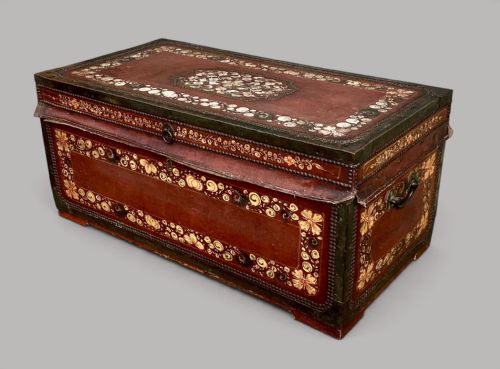
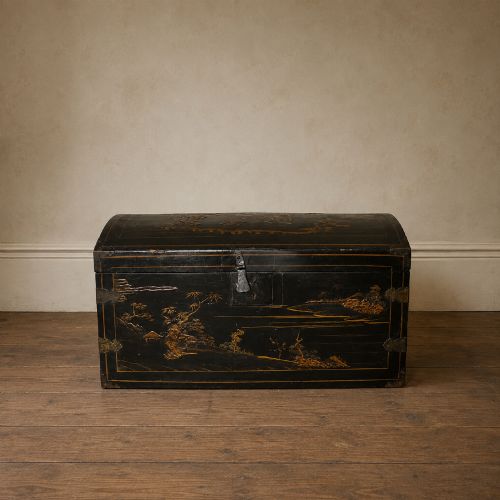


Oriental Export Trunk
Oriental export trunk pieces are practical storage chests made for international trade, offering robust construction and distinct regional decoration that suits modern interiors.
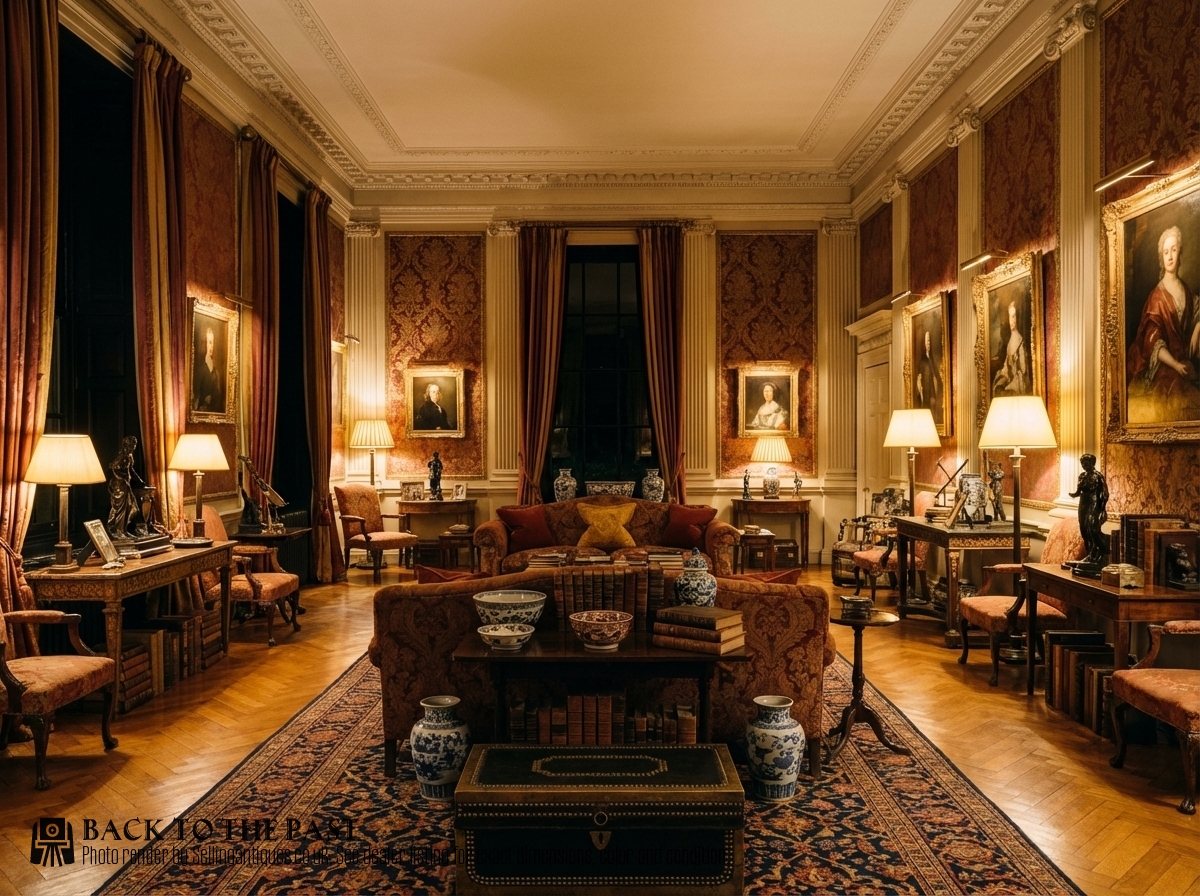
Oriental Export Trunk
An oriental export trunk represents durable storage designed specifically for travel and trade between East Asia and Western markets over several centuries. Buyers searching for an oriental export trunk encounter various forms ranging from large camphor-wood chests to smaller lacquered coffers and travelling boxes.
The pieces on this page span from the eighteenth century through the Victorian era up to the early twentieth century. Common formats include domed chests, brass-bound trunks, and painted leather luggage boxes originating from trade centres such as Canton.
How they were made
Makers utilised fragrant timbers like camphor wood alongside general wood substrates, chosen for their natural durability and insect-repelling properties. Surfaces were frequently finished with black or red lacquer, pig skin, or painted leather.
Hardware played a functional and structural role, incorporating heavy brass binding and campaign-style mountings to withstand long sea voyages. Artisans applied intricate gilt decoration and polychrome pigments over the lacquered or leather bodies.
Oriental Export Trunk Retail Price Guide 2026
Typical asking prices for oriental export trunk among the pieces listed under this phrase on Sellingantiques today, from the lower quarter to the upper quarter. They describe what is for sale here now, not the wider market.
Listings feature items spanning the eighteenth century, nineteenth century, and early twentieth century, utilising camphor wood, brass, lacquer, and pig skin.
What varies in quality
Quality depends on the depth and precision of the surface decoration, whether hand-carved woodwork or delicate gilt painting on lacquer. Finer examples display superior integration of heavy brass mounts with the timber body.
The choice of primary material also distinguishes the range, with solid camphor wood and high-grade black lacquer occupying the upper tier of execution. Overall proportion and the survival of original pigments or hardware determine the standing of each piece.
The Oriental Export Trunk Glossary
- Camphor wood
- A durable, aromatic timber native to Asia, traditionally utilised for trunks to protect contents from insects. Its natural scent remains distinct over decades.
- China Trade
- A historical term for goods produced in China specifically for export to Western markets during the eighteenth and nineteenth centuries. These items often blend Eastern materials with Western furniture forms.
- Cofer
- A large heavy box or chest used for storing valuables or clothing. These pieces often feature reinforced corners and sturdy lids.
- Lacquer
- A durable resin finish applied in multiple layers and polished to a smooth surface. It frequently serves as a base for gilt or painted decoration.
- Campaign case
- Portable furniture designed for military officers or travellers, featuring recessed brass handles and reinforced corners for transit. Such items prioritise rugged practicality alongside refined appearance.
Oriental Export Trunk: Frequently Asked Questions
What were oriental export trunks used for?
These chests served primarily as durable luggage for merchants, diplomats, and travellers undertaking long sea voyages between Asia and Europe or America.
Inside the cabin or cargo hold, they protected clothing and valuables from moisture and pests, later functioning as stationary storage upon reaching their destination.
How do I care for a camphor wood trunk?
Keep the wood away from direct heat sources and strong sunlight to prevent the natural timber from drying out or splitting.
Dust regularly with a dry cloth and avoid harsh chemical polishes that might damage the historical finish or the surrounding brass hardware.
How can I tell the age of these chests?
Dating relies on observing construction methods, materials, and stylistic cues such as brass mounts and lacquer techniques. Eighteenth-century examples often display simpler, heavier coffer forms, while Victorian and later nineteenth-century pieces frequently incorporate elaborate brass binding and painted leather.
Are these trunks suitable for modern coffee tables?
Many examples possess flat tops and sturdy proportions that make them functional as coffee tables with built-in storage. Their decorative leather, lacquer, or brass-bound exteriors add texture and historical character to contemporary living spaces.