
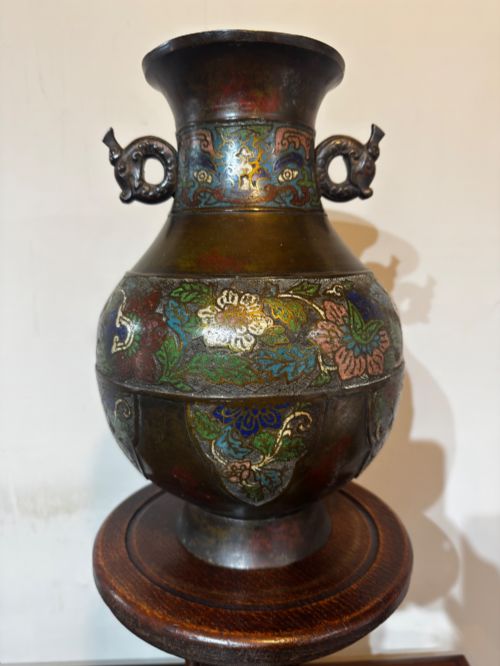


Oriental Enamel Metalwork
Oriental enamel metalwork encompasses vessels, chargers and censers created using intricate wirework and vitreous pastes across the nineteenth and twentieth centuries.
Oriental Enamel Metalwork
Oriental enamel metalwork pieces span functional vessels and decorative objects originating from Chinese and Japanese workshops during the nineteenth and twentieth centuries.
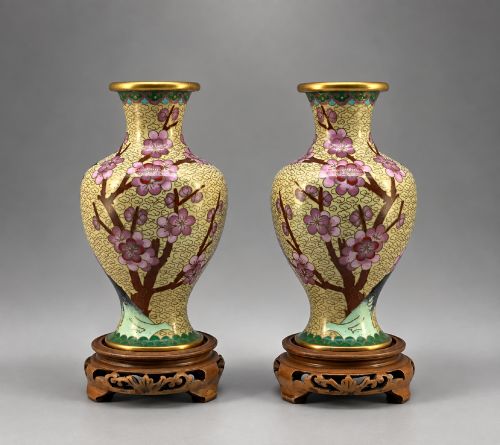
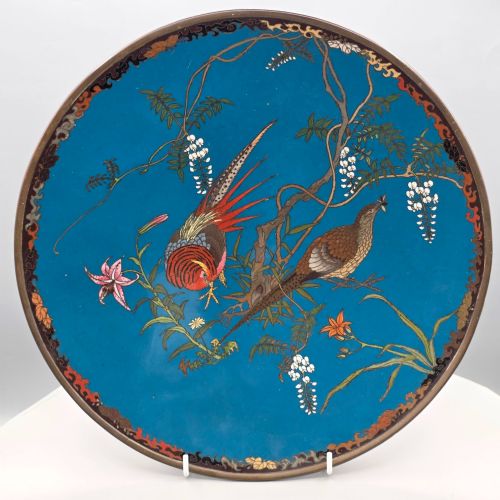
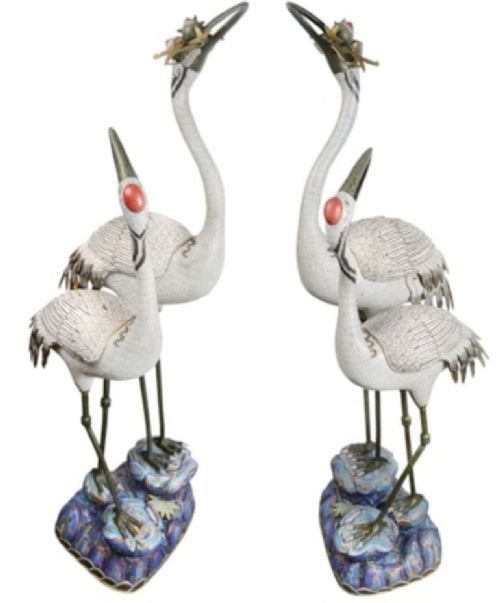
Vases, chargers, censers and lidded bowls dominate the selection, often carrying traditional motifs such as dragons, phoenixes, birds and floral arrangements.
Meiji period Japanese pieces and Qing dynasty Chinese examples represent the core origins found within these listings.
Materials and construction techniques
Artisans formed the foundation of each piece using metals such as copper, bronze, brass or silver, shaping them into vessels and plates.
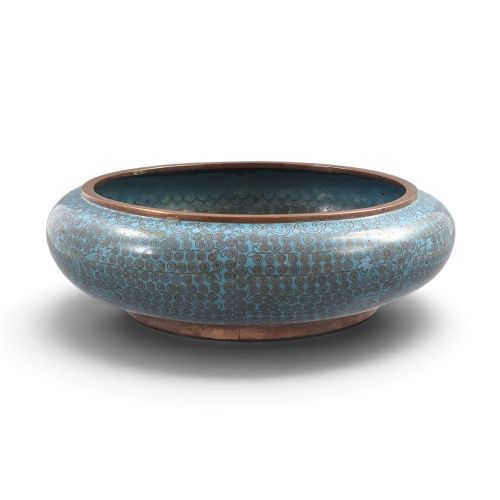
Thin metal wires soldered onto the metal body created cellular partitions known as cloisons, which were subsequently filled with coloured vitreous enamel pastes before firing.
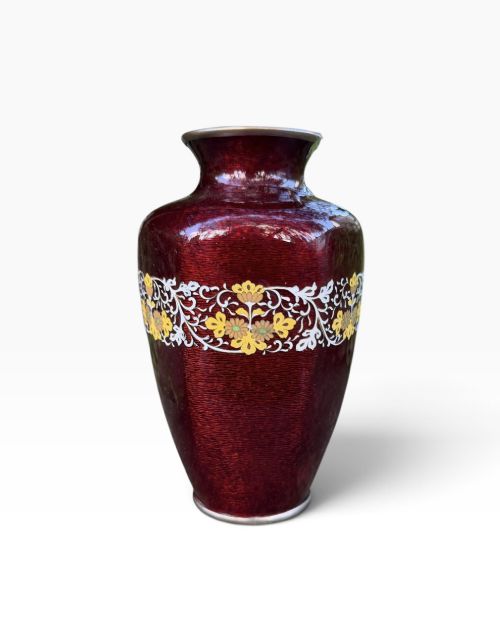
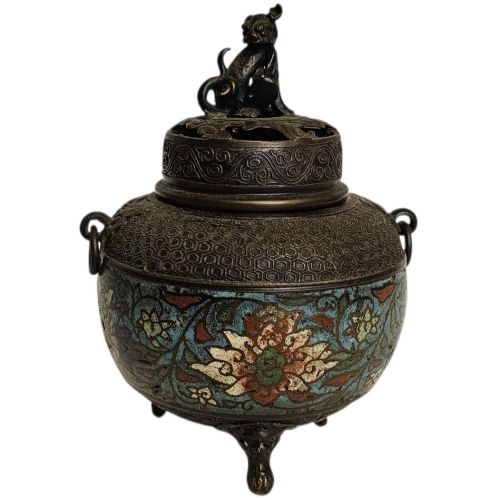
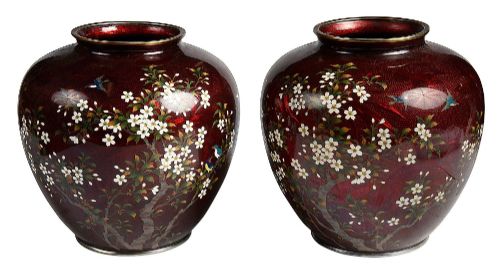
Specialised variations included ginbari techniques utilising translucent enamel over textured foils, alongside champlevé methods where troughs were carved directly into the metal surface.
Listings feature items spanning the nineteenth and twentieth centuries, including Meiji period Japanese works and Qing dynasty Chinese pieces.
Assessing craftsmanship and execution
The precision and fineness of the wirework define the upper tier of execution, where intricate patterns demand steady hands and immense patience.
Surface finish, colour harmony and the clarity of the fired enamel distinguish masterwork items from standard decorative wares.
Signature marks from recognised makers or studios elevate specific pieces through documented provenance and superior technical mastery.
Ando Jubei·Kinkozan
The Oriental Enamel Metalwork Glossary
- Cloisonné
- An enamel technique where metal wire creates small compartments on a metal base to hold coloured glass paste. Artisans fire the piece multiple times to fuse the materials.
- Ginbari
- A Japanese enamelling method featuring translucent enamel applied over a textured foil background. This creates a shimmering, patterned depth beneath the coloured surface.
- Champlevé
- A technique where troughs or cells are hollowed out of a thick metal plate and filled with enamel. The remaining metal walls form the outlines of the design.
- Basse-taille
- An enamelling process where the metal ground is engraved or chased with a low-relief design. Translucent enamel covers the carving so the pattern shows through.
- Censer
- A vessel designed for burning incense during rituals or scholar pursuits. These often feature tripod bases and pierced lids.
Oriental Enamel Metalwork: Frequently Asked Questions
How do I care for antique enamel metalwork?
Dust these pieces gently with a soft, dry cloth to prevent accumulating grime on the delicate wirework. Avoid chemical cleaners or immersion in water, which can damage the aged metal and vitreous surfaces.
Keep items away from direct sunlight and extreme temperature fluctuations to protect the enamel from stress. Handle vessels by their main body rather than protruding elements like handles or rims.
Where were these metalwork items produced?
These decorative objects originate primarily from workshops in China and Japan during the nineteenth and early twentieth centuries. Chinese pieces often align with Qing dynasty traditions, featuring robust bronze and brass foundations.
Japanese examples frequently date to the Meiji period, celebrated for exceptionally fine silver wirework and pictorial charger designs. Regional centres developed distinct palettes and subject matters over time.
What motifs appear on these pieces?
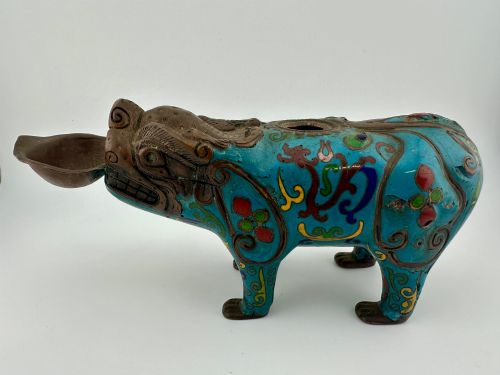
Traditional iconography dominates the surface decoration, including mythical beasts like dragons and qilin lions. Natural elements such as birds, owls, koi fish, peonies and Mount Fuji also recur frequently.
Symbolic objects and auspicious patterns appear across bowls and trays, reflecting cultural beliefs of the period. Each motif required precise placement within the metal wire partitions before firing.
How can I distinguish between Chinese and Japanese pieces?
Chinese pieces often utilise heavier bronze or brass bases with bolder wirework and rich, opaque enamel colours. These frequently include censers, scholar's brush washers and ritual vessels.
Japanese items from the Meiji era tend to employ finer copper or silver wire with intricate pictorial scenes, subtle gradients and marked studio signatures. Chargers and vases with detailed avian or floral subjects are typical of Japanese production.